Back and neck pain can change your daily life. Simple tasks may feel hard. Even rest may not bring comfort.
Many people live with this pain for years. They try different treatments but still struggle. Over time, they begin to look for better solutions.
If you want to understand how modern care can help restore movement, keep reading. New methods are changing how people recover and move again.
Understanding the Problem
The spine is made of bones and discs. These discs act like cushions between the bones. They help the body move and stay flexible.
Over time, discs can wear down. Injury, age, or stress can cause damage. This can lead to pain, stiffness, and limited movement.
When the disc no longer works well, it can affect daily life. It may also press on nerves and cause more discomfort.
Early Solutions and Their Limits
In the past, one common solution was spinal fusion. This method joins two bones together to stop movement. It can reduce pain but also limit flexibility.
While fusion can help, it changes how the spine moves. Other parts of the spine may take on more stress. This can lead to new issues over time.
Because of this, doctors began to look for better options. They wanted a way to keep movement while reducing pain.
A New Approach to Treatment
Artificial disc replacement is a modern solution. It replaces the damaged disc with a new one. This new disc is designed to move like a natural one.
Instead of stopping motion, it supports it. This helps the spine move in a more natural way. It also reduces stress on nearby areas.
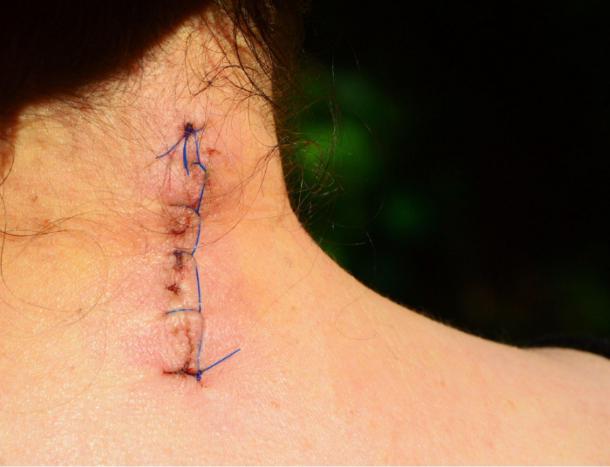
Cervical disc replacement surgery is one example used to treat neck issues while keeping mobility. It offers a balance between support and movement.
How the Procedure Works
The process begins with careful planning. Doctors study the spine and find the damaged disc. This helps them choose the best approach.
During the procedure, the damaged disc is removed. A new artificial disc is placed in its position. This restores space and movement in the spine.
The goal is to reduce pain and improve function. The new disc allows the spine to move more freely again.
Recovery and Results
Recovery time can vary from person to person. Many patients begin to feel relief soon after the procedure. Movement often improves over time.
Physical therapy may be part of the recovery. This helps strengthen the body and support healing. It also helps restore normal motion.
As healing continues, daily tasks become easier. Many people return to activities they once avoided.
Benefits of Keeping Natural Motion
One of the biggest benefits is preserved movement. The spine can still bend and turn in a natural way. This improves comfort and flexibility.
It also reduces strain on other parts of the spine. This lowers the risk of future problems. The body can function more evenly.
Keeping natural motion supports a better quality of life. It allows people to move with less pain and more ease.
A Step Toward Better Movement
Living with pain can feel limiting. It can affect both your body and your mindset. Finding the right solution can change that.
Modern treatments now focus on both relief and movement. They aim to restore balance and function. This helps people return to normal life.
With the right care, moving freely again is possible. It starts with learning your options and taking the next step forward.