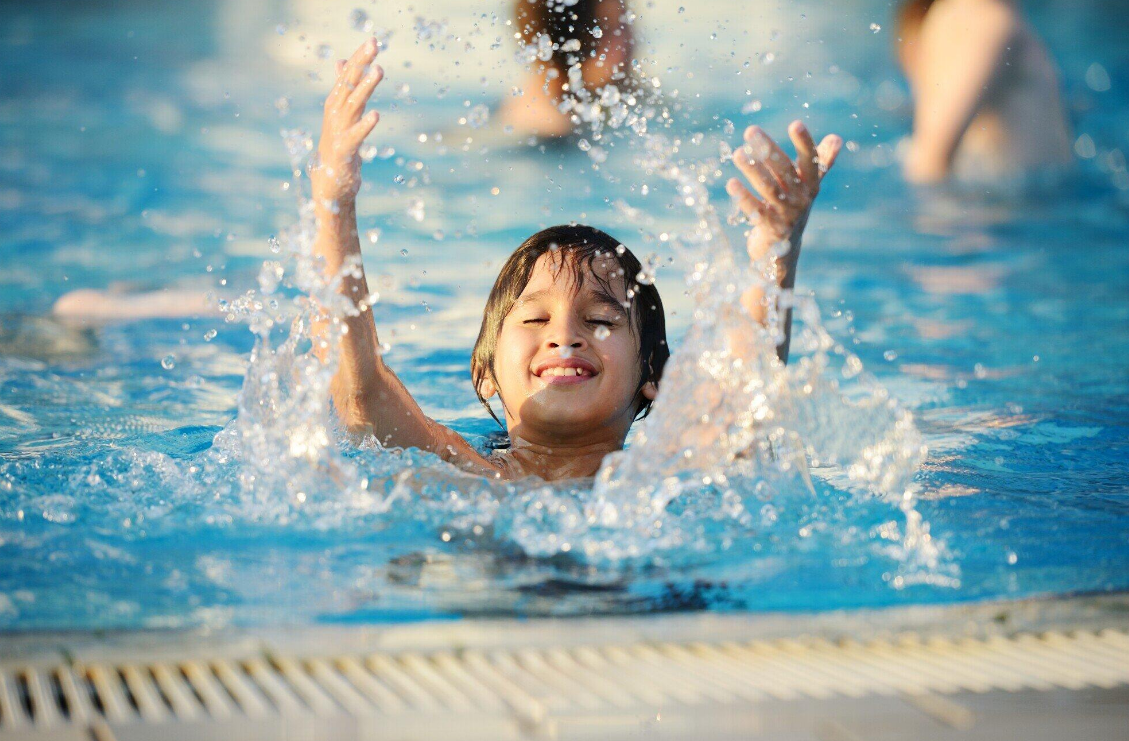
Water can feel like magic to a child. It sparkles, it moves, and it invites play. At the same time, it asks for care and respect. Teaching children to be safe in the water does not need to feel strict or scary. When lessons feel like games, children learn with joy and confidence. They begin to trust themselves and the water around them. If you want to guide a child toward safety while keeping their smile bright, keep reading and discover playful ways that truly work.
Why Play Makes Learning Stay
Children remember what feels fun. When they play, they repeat actions without thinking of it as work. This helps skills stay in their memory.
In the water, this is very helpful. A child who plays while learning will practice more. They will float, kick, and move again and again. Over time, these actions become natural. Play also removes fear. When a child laughs, their body relaxes. A relaxed child learns faster and stays open to new steps.
Building Trust with the Water First
Before skills come trust. A child needs to feel safe in the water before learning how to move in it. This can begin with very small steps.
Let them sit at the edge and splash their feet. Let them hold your hand and walk in shallow water. You can play games like making tiny waves or touching the water with their fingers.
These simple moments help the child feel that the water is friendly. Once they feel this, they are more willing to try new things.
Making First Movements Feel Like Play
The first movements in water should feel light and fun. You can turn simple actions into games.
Blowing bubbles can become a contest of who makes the biggest one. Kicking can be about making the loudest splash. Walking in water can feel like marching in a parade.
When movement feels like play, the child does not focus on fear. They focus on the joy of trying.
Floating Through Imagination
Floating is one of the most important skills. It can also be one of the hardest for a child to trust. Turning it into a game can help.
Ask the child to pretend they are a star in the sky. Arms wide, legs open, face calm. Or they can be a leaf resting on water, moving slowly.
When imagination leads the action, the body follows with ease. Floating becomes less about effort and more about feeling.
Gentle Ways to Teach Breathing
Breathing in water needs calm and control. This can be taught through simple and playful ideas.
Blowing bubbles is a great start. You can ask the child to hum underwater or pretend to cool hot soup. These actions teach them to breathe out slowly.
You can also play games where they dip their face in and come up smiling. This builds comfort and helps them learn how to manage their breath.
Turning Safety Rules into Fun Habits
Rules are important, but they do not need to feel heavy. You can teach them through play.
Make a game where the child always asks before entering the water. You can call it a “permission game.” Or create a “stop and go” game where they practice waiting at the edge.
These playful rules become habits. The child follows them without fear, because they feel like part of the game.
Creating Simple Water Challenges
Children enjoy challenges, especially when they feel achievable. Small goals can keep them engaged.
You can place a toy a short distance away and ask them to reach it. Or you can count how long they can float or kick.
Each small challenge builds skill and confidence. The child feels proud of what they can do, and this pushes them forward.
Building Confidence Step by Step
Confidence does not come all at once. It grows in layers. Each small success adds to it.
Praise matters here. When a child tries, even if they do not succeed right away, they should feel supported. A kind word can give them courage.
Over time, they begin to believe in themselves. This belief helps them stay calm and focused in the water.
Making Practice a Natural Part of Playtime
Practice should not feel separate from fun. It can be part of regular play. Visiting the pool often and repeating games helps skills stay fresh. Floating, kicking, and breathing become normal actions.
Some families also choose swim lessons for kids to support this routine. These lessons can guide children while still keeping the playful spirit alive.
The Power of Repetition in a Fun Way
Children need repetition to learn well. Doing the same thing again and again helps build strong skills.
Play makes repetition easy. A child will repeat a game many times without getting bored. Each repeat strengthens their ability.
This is how skills become natural. The child no longer has to think about what to do. Their body remembers.
Helping Children Stay Calm in Water
Calmness is a key part of safety. A calm child can think clearly and move better.
You can teach calmness through slow games. Floating quietly, taking deep breaths, or moving gently in the water all help.
When a child learns to relax, they gain control. This makes them safer in different situations.
Using Stories to Guide Learning
Stories can turn lessons into adventures. You can create a world where the child is a swimmer on a journey.
They can cross a river, find a hidden island, or glide like a fish. Each skill becomes part of the story.
This keeps the child engaged. It also helps them focus without feeling pressure.
The Role of Parents in the Water
Parents are a child’s first guide. Their presence brings comfort and trust.
When a parent stays calm and patient, the child feels safe. Holding a hand, giving a smile, and offering support can change how a child feels.
It is also important for parents to follow safety rules. Children learn by watching. When they see safe behavior, they copy it.
Creating a Safe Space for Learning
The place where a child learns matters a lot. A clean and calm space helps them feel secure.
Shallow water is best for beginners. Clear boundaries and close watching are also important.
When the environment feels safe, the child is free to explore and learn. This makes every lesson more effective.
Encouraging Curiosity and Exploration
Curiosity drives learning. When a child wants to explore, they learn more.
You can encourage this by letting them try new things at their own pace. Let them reach for toys, move in different ways, and discover how the water feels.
This builds a sense of control. The child learns not just what to do, but how their body works in water.
Letting Children Set the Pace
Every child is different. Some move fast, others take more time.
Watching their signals helps guide the lesson. If they seem ready, you can try a new skill. If they seem unsure, you can slow down.
Letting the child lead builds trust. It shows that their feelings matter.
Strengthening Skills Through Routine
A steady routine helps learning stay strong. Visiting the water regularly and repeating familiar games builds skill over time.
Routine also creates comfort. The child knows what to expect, which reduces fear.
With time, the routine turns into confidence. The child feels ready for new steps.
Celebrating Progress in Small Ways
Progress can be small, but it matters. Each step forward is important.
Celebrate moments like floating longer, kicking stronger, or feeling more relaxed. These wins build pride.
When a child feels proud, they want to keep learning. This keeps the journey moving forward.
Teaching Respect for Water
Water is fun, but it also needs respect. Teaching this early helps children stay safe.
You can explain in simple ways. Talk about staying close, asking for help, and knowing limits.
Respect becomes part of their mindset. It guides their actions in and around water.
Turning Lessons into Lifelong Skills
Swimming safety is not just for childhood. It stays with a person for life.
When taught in a playful way, these lessons feel natural. They are not forced or feared.
The child grows into someone who feels confident and careful in water. This is a gift that lasts.
Using Music and Rhythm to Guide Movement
Music can make learning feel even more fun. Simple songs or clapping rhythms can help children move in the water with ease. You can match kicks to a beat or hum while they practice floating. This keeps them focused and relaxed at the same time. Rhythm also helps with timing, which is useful for breathing and movement. When children connect actions with sound, they remember them better and enjoy the process more.
Building Trust Through Gentle Challenges
Trust grows when children feel safe but also a little challenged. Gentle challenges help them move forward without fear. You can ask them to try one small new thing, like reaching a bit farther or floating a little longer. Stay close and offer support as they try. When they succeed, even in a small way, their trust in themselves becomes stronger. Over time, these small steps turn into big progress, and the child feels ready for more.
Using Visual Cues to Reinforce Learning
Children respond well to what they can see. Bright toys, colored markers, or simple hand signals can guide them in the water. You can point to where they should go or show how to move their arms and legs. Visual cues make instructions easier to understand. When a child sees what to do, they feel more sure and less confused. This helps them learn faster and with more confidence.
Encouraging Rest and Breaks Between Play
Learning in water can be tiring, even when it feels fun. Short breaks help children stay fresh and focused. Sitting at the edge, taking deep breaths, or simply talking about what they did can reset their energy. Rest also gives time for the body to process new skills. When children return to the water, they are ready to try again with more strength and calm.
Reinforcing Skills Through Positive Words
The way we speak to children matters a lot. Kind and simple words can boost their courage. Saying things like “you did great” or “let’s try again together” helps them feel safe. Even when they struggle, gentle encouragement keeps them going. Positive words build trust and make the child feel supported. This creates a strong link between learning and feeling good.
Making Safety Part of Everyday Conversations
Safety does not have to stay only in the pool. Talking about it in daily life helps children remember. You can remind them about asking for help, staying close to adults, and being careful around water. These small talks make safety feel normal, not scary. Over time, children carry these ideas with them wherever they go, helping them stay aware and prepared.
Practicing Entry and Exit in a Fun Way
Getting in and out of the water safely is an important skill. You can turn this into a simple game by asking children to “climb in like a careful explorer” or “step out like a quiet ninja.” Show them how to hold the edge, use the steps, and move slowly. Repeating this in a fun way helps them remember what to do every time. When entry and exit feel easy, children become more confident and stay safer around water.
Using Gentle Reminders to Build Awareness
Children need reminders, but they should feel calm and kind. Short phrases like “stay where you can stand” or “look before you move” can guide them without pressure. You can repeat these during play so they become natural habits. Over time, children begin to remind themselves. This builds awareness, which is a key part of staying safe in and around water.
A Journey Filled with Joy and Confidence
Teaching swimming safety can be full of laughter and light. It does not need to feel strict or hard. With play, patience, and care, children learn in a way that feels right to them.
Each splash, each smile, and each small step builds something strong. Over time, these moments shape a child who feels safe, calm, and confident in the water. When learning feels like joy, the lessons stay, and the child carries them forward with ease.