Have you noticed your energy bills climbing every summer while your home still feels too warm?
Choosing a new air conditioner can feel stressful because there are so many sizes, features, and price ranges to compare. The right system can keep your house comfortable, lower your monthly costs, and run more quietly than an older unit. Picking wisely now can also help you avoid expensive repairs later.
This article explains how to choose an energy efficient AC system that fits your home and budget.
Understand Efficiency Ratings
The first thing to check when buying an air conditioner is the SEER rating. SEER stands for Seasonal Energy Efficiency Ratio, and a higher number means the unit uses less electricity. Most modern systems start around 14 SEER, while high efficiency models can reach 20 or more.
A higher SEER rating usually costs more at first, but it can save money over time. Homes in warmer climates often benefit the most from a high efficiency system because the AC runs longer each year. If you plan to stay in your home for many years, the extra cost may be worth it.
Choose the Right Size
Many homeowners think a larger air conditioner will cool their home better. In reality, an oversized unit can turn on and off too often, which wastes energy and leaves rooms feeling humid. A system that is too small will struggle to keep up and may wear out faster.
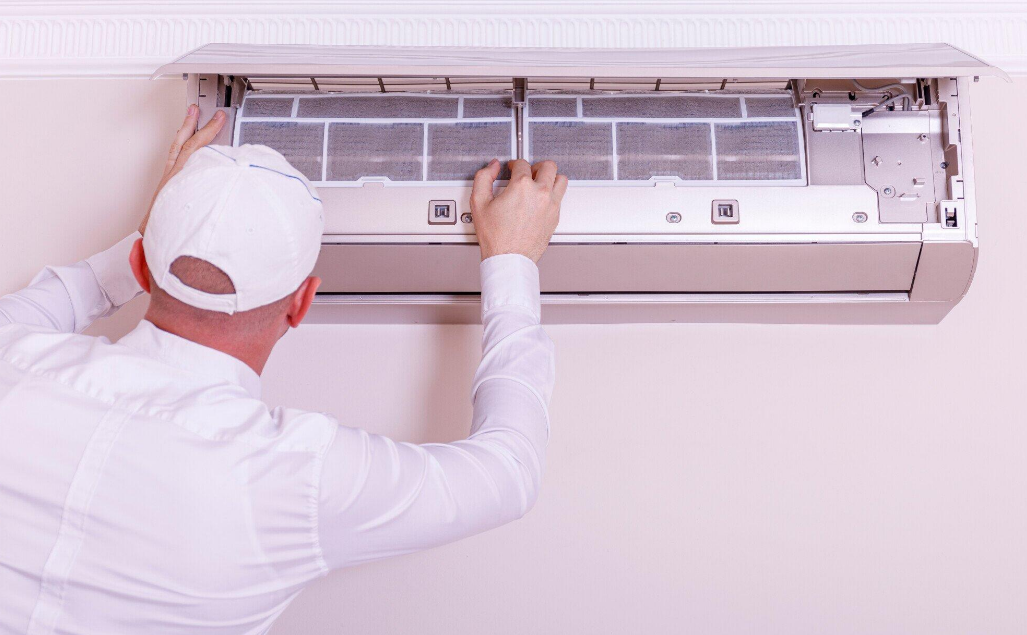
The best way to choose the right size is to have a professional inspect your home. An experienced AC replacement company can measure square footage, insulation, windows, and airflow before making a recommendation. This helps you get a system that cools evenly without using more energy than necessary.
Look for Helpful Features
Modern air conditioners often come with extra features that improve comfort and efficiency. A variable speed motor can adjust cooling levels instead of always running at full power. Smart thermostats can also help by learning your schedule and changing the temperature automatically.
Noise level is another feature worth considering before you buy. Some newer systems are much quieter than older models, which makes a big difference during the night. You may also want better air filters or humidity controls if anyone in your home has allergies.
Compare Long Term Costs
The cheapest air conditioner is not always the best deal in the long run. A lower priced model may use more electricity and need more repairs over the years. Spending more on a better system can reduce both energy bills and maintenance costs.
You should also look into rebates, tax credits, and financing options before making a final choice. Many utility companies offer incentives for installing high efficiency systems. These savings can make a better air conditioner much more affordable.
Stay Cool and Save More
Choosing the right cooling system is about more than staying comfortable during hot weather. A good unit can help your home feel better, sound quieter, and cost less to run every month. When you take time to compare your options, you are more likely to make a smart investment.
A little planning today can prevent frustration later. The right air conditioner can keep your home cool for many years.