Digital transformation is changing the way organizations handle information. One important part of this process is converting physical text into digital data. Physical text includes printed documents, handwritten notes, paper forms, and records.
When these documents are converted into digital files, they become easier to store, search, and share. This helps organizations work faster and manage information more efficiently. Read on.
Problems with Paper Documents
Many organizations still keep large amounts of information on paper. Documents are stored in folders, cabinets, or storage rooms. While this method worked in the past, it has several problems.
First, finding a specific document can take a long time. Employees may need to search through many files just to locate one piece of information. Second, paper documents can easily be lost, damaged, or destroyed.
Fire, water, or simple wear and tear can ruin important records. Finally, sharing paper documents with other departments or offices can be slow and inconvenient. Because of these problems, many organizations are moving toward digital systems.
Optical Character Recognition (OCR)
A key technology used to convert physical text into digital data is called Optical Character Recognition, or OCR. OCR software scans images of documents and recognizes the letters and numbers in the text.
After scanning, the software converts the text into a digital format that computers can read. This means the text can be edited, searched, and stored electronically.
OCR saves time because it removes the need to manually type large amounts of information. Check out the Tesseract OCR Windows setup and usage guide to learn more.
Steps in Converting Physical Text
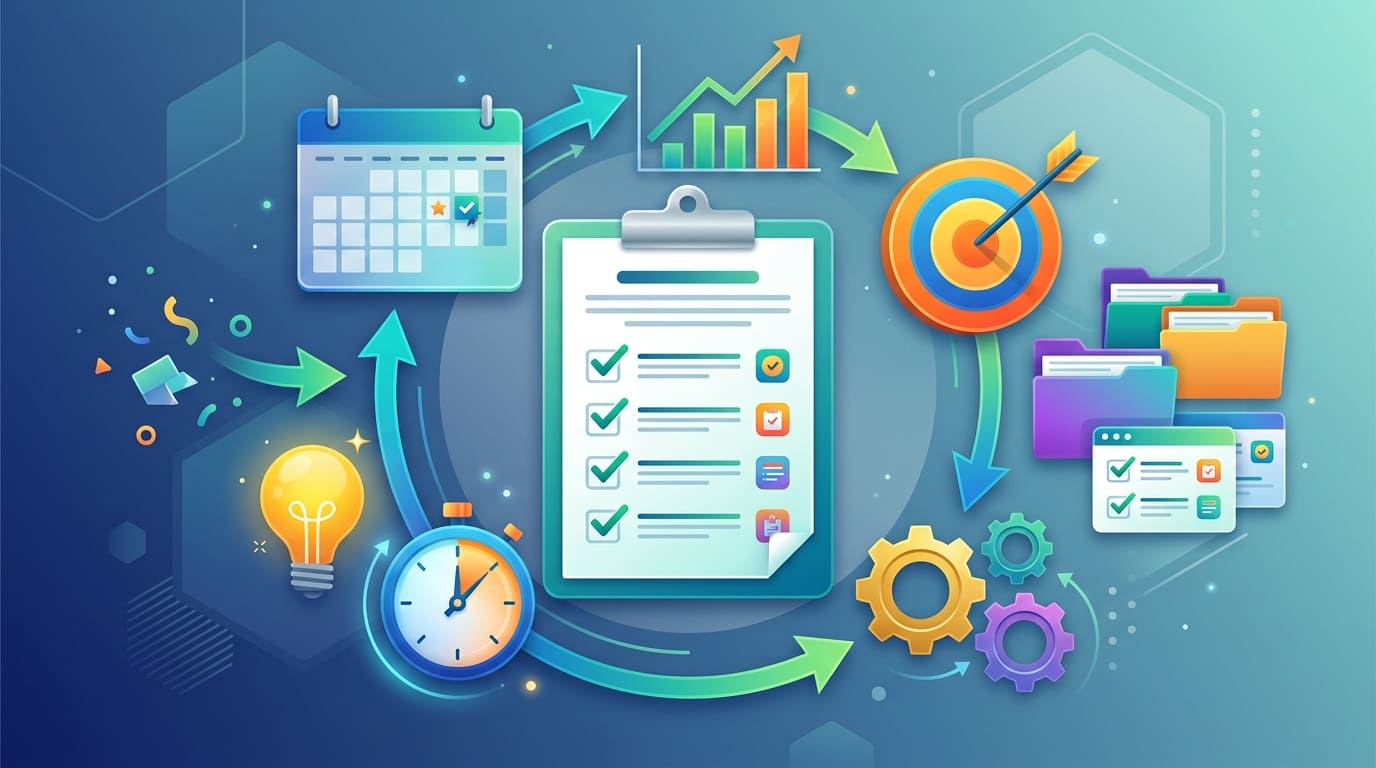
The process of converting paper documents into digital data usually involves a few simple steps. First, the documents are scanned using a scanner or a mobile scanning device. This creates a digital image of the paper document.
Next, OCR software analyzes the scanned image and identifies the characters in the text. The software then converts these characters into digital text. Finally, the digital files are checked for errors and organized into folders, databases, or cloud storage systems.
Benefits of Digital Text
Converting physical text into digital data offers many advantages. One major benefit is easier storage. Digital files do not require large storage rooms or filing cabinets.
Another benefit is faster access to information. Employees can quickly find documents using search tools instead of manually searching through paper files.
Digital files are also easier to share. They can be sent instantly through email, shared systems, or cloud platforms. This improves communication and collaboration within organizations.
Supporting Modern Technology
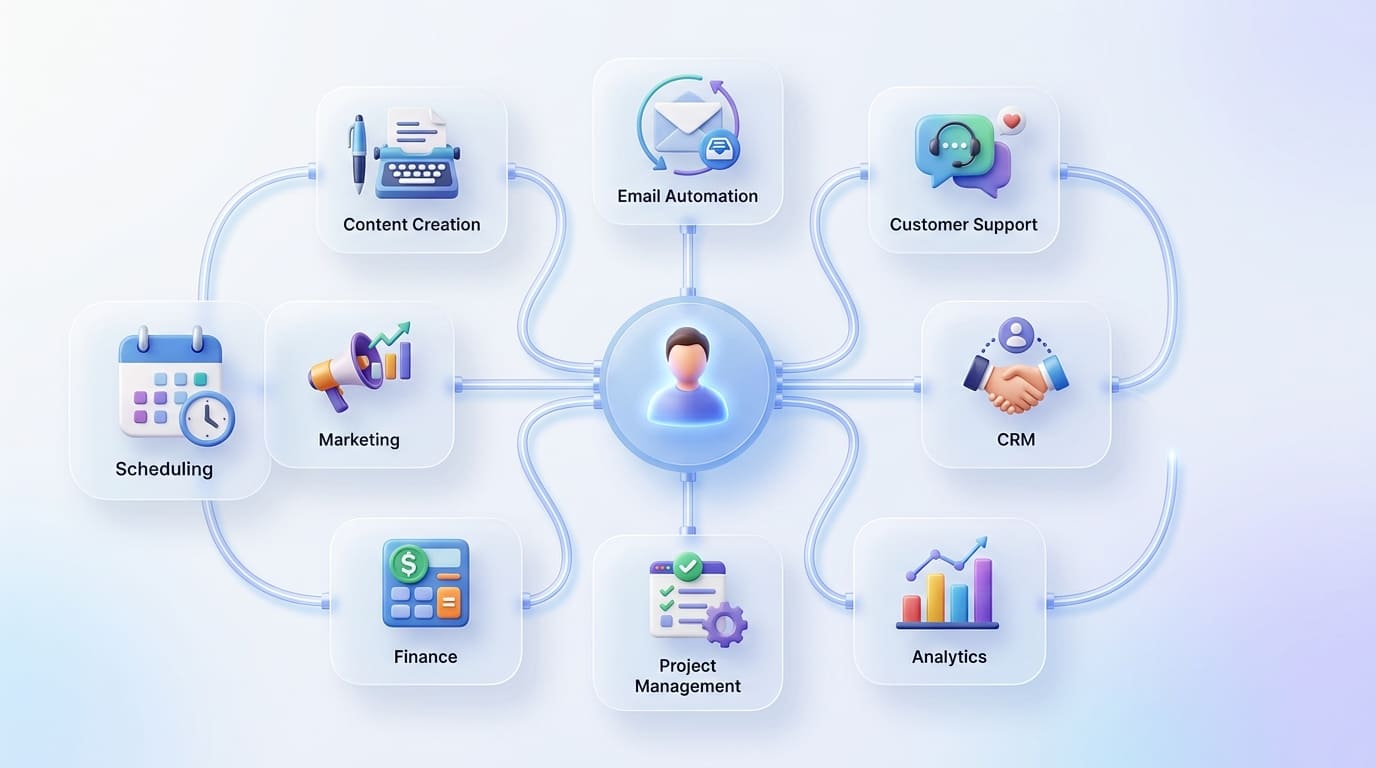
When information becomes digital, it can also be used with modern technologies. Digital data can be analyzed using software to find patterns or trends.
Businesses can use this information to improve decision-making and efficiency. Digital documents can also be integrated into automated systems and artificial intelligence tools.
Your Path to a Digital Future
Converting physical text to digital data is an important part of digital transformation. It helps organizations save time, reduce storage space, and improve access to information.
As technology continues to develop, more organizations will move away from paper-based systems. Digitizing physical text allows information to be used more effectively in the modern digital world.