Choosing the right material for your property’s perimeter is a big decision. It’s not just about how it looks on day one, but how much time and money you’ll have to spend on it over the next ten or twenty years. While wood was the old standard, modern homeowners are now choosing between two heavyweights: Vinyl (Synthetic Polymers) and Aluminum (Engineered Metals).
Both materials beat wood in almost every category, but they serve very different purposes.
The Benefits of Modern Vinyl
Vinyl has changed the construction market over the last two decades. Made from high-quality PVC with UV inhibitors, it gives you that clean, “painted wood” look without any of the rotting or warping.
The biggest win with vinyl is its resistance to nature. It doesn’t splinter, and termites won’t touch it. Because the color goes all the way through the material, you never have to worry about painting or staining it. From a privacy standpoint, solid vinyl panels are unbeatable—they block sightlines and even act as a sound barrier. However, because these panels are solid, they catch a lot of wind. To make sure they stay upright during a storm, many people hire specialized vinyl fencing contractors to handle the heavy-duty structural engineering and deep concrete footings required.
Why Engineered Aluminum Stands Out
On the other hand, aluminum offers a completely different set of mechanical benefits. It’s much lighter than wrought iron but incredibly strong. Its best quality? It naturally resists rust and corrosion, making it perfect for humid or wet environments.
Modern aluminum is usually finished with a “powder-coating” that is baked on at high temperatures. This creates a shield against salt spray, sun damage, and minor scratches. Unlike rigid materials that might snap, aluminum is designed to flex slightly under pressure, which helps it survive extreme weather.
Balancing Openness and Privacy
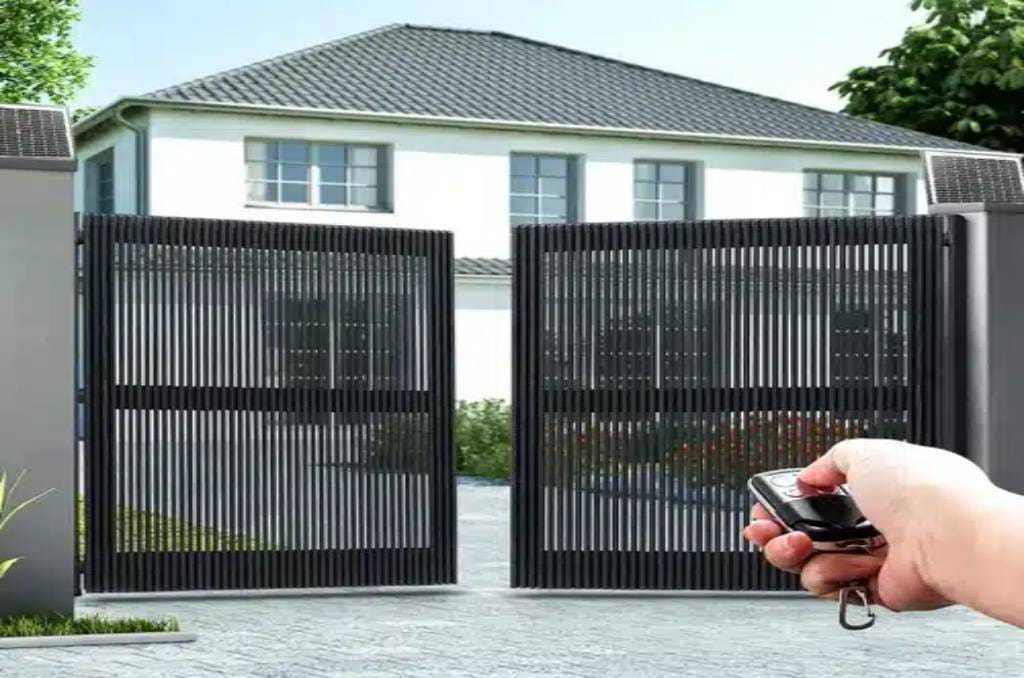
Design-wise, aluminum is sleek and sophisticated. Because it usually has gaps between the pickets, it doesn’t block your view or stop the airflow. It keeps your landscape looking open and airy.
If you love the strength of metal but still want some screening, there’s a middle ground. You can now get specialized aluminum privacy slats that can be integrated into the framework. This gives you that modern metallic look while increasing the privacy level of your property.
Longevity and Cost: The Final Verdict
Both materials are great long-term investments. While a good vinyl structure can last 30 years, powder-coated aluminum can easily cross the 50-year mark.
In terms of cost:
- Vinyl: Usually has a lower upfront cost for materials and installation.
- Aluminum: Requires a bit more investment at the start but lasts longer.
- The “Wood” Trap: While wood is cheaper on day one, the cost of sealants, paint, and eventual rot replacement makes it the most expensive option in the long run.
Conclusion
Whether you choose the total privacy of vinyl or the sleek durability of aluminum, you’re making a smart move for your property’s value. Both materials offer a “set it and forget it” lifestyle that traditional timber simply can’t match.