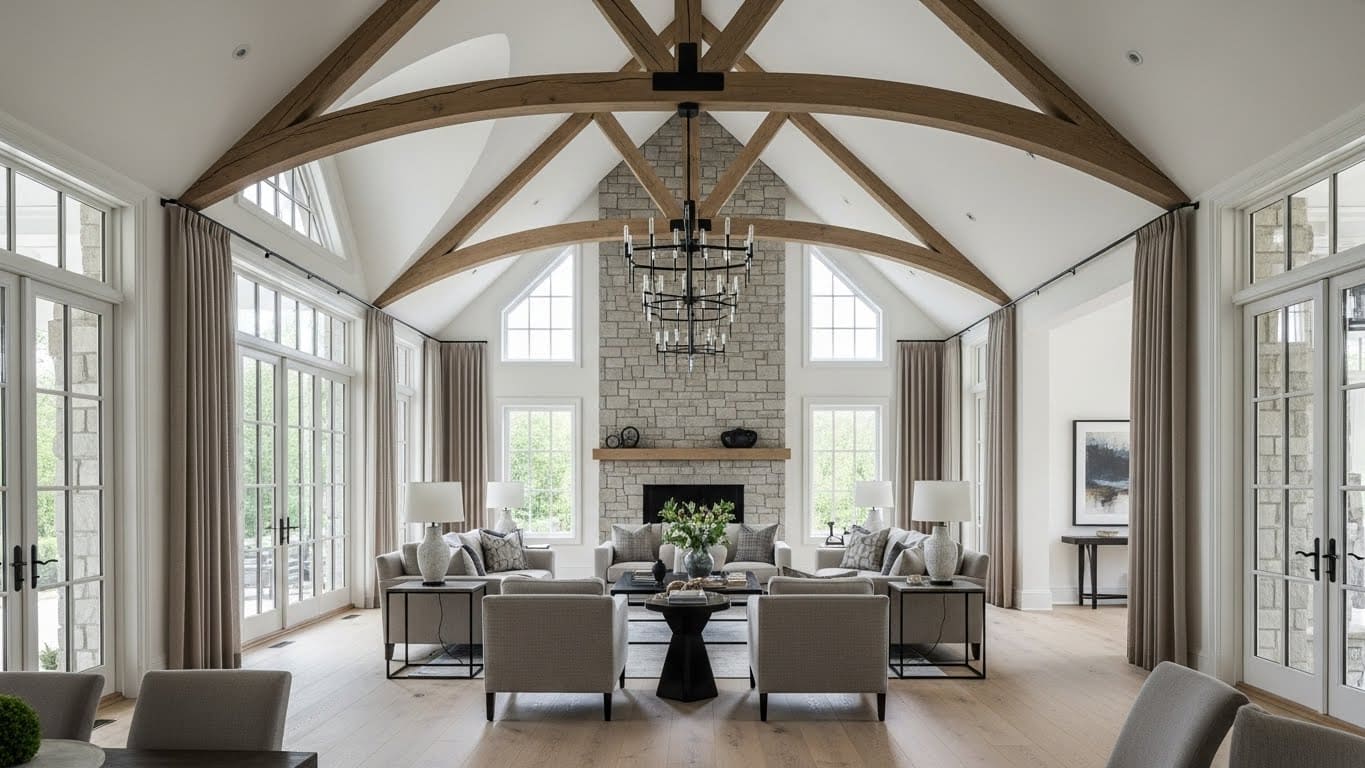
A vaulted ceiling is more than just a structural upgrade—it’s a designer statement that transforms ordinary homes into visually stunning living spaces. In modern architecture, height is power, and nothing conveys a sense of openness and drama more effectively than high ceilings. Whether used in a living room, bedroom or kitchen, a vaulted ceiling introduces depth, light and architectural prestige in a way that flat ceilings never can.
Today’s homeowners are moving towards spacious floor plans inspired by bold, highlighted concepts such as open-concept living, where room boundaries are blurred and the ceiling plays a decisive role in the visual flow. A vaulted ceiling immediately enhances this openness, making homes appear larger, brighter and more luxurious without changing the size.
Why a Vaulted Ceiling Instantly Elevates Interior Design
The main strength of a vaulted ceiling lies in its ability to change the way a room is viewed. High ceilings naturally draw the eye upwards, creating a sense of grandeur and breathing space. This vertical expansion allows designers to introduce larger windows, dramatic chandeliers and layered lighting, all of which contribute to an elevated interior experience.
From an emotional perspective, high ceilings are associated with freedom, creativity and peace. When combined with modern furniture layouts and sophisticated finishes, the space feels luxurious and inviting. This blend of elegance and comfort makes a vaulted ceiling a timeless architectural choice rather than a passing trend.
Vaulted Ceilings in Small Homes: Visual Expansion Without Structural Chaos
Contrary to popular belief, vaulted ceilings are not limited to luxurious mansions or large villas. Even compact homes benefit from vaulted architecture when designed properly. In smaller interiors, removing flat ceilings immediately creates volume, allowing natural light to diffuse more effectively and eliminate the built-in feeling.
This change is particularly powerful in studio apartments, townhouses and cramped urban homes. With smart layout planning and appropriate furniture scale, small homes achieve vertical drama without looking overwhelming. This approach also supports modern ideas such as open concept living, where airiness is central to the design philosophy.
Living Room Design Ideas With a Vaulted Ceiling
The living room is the most impressive place to display a vaulted ceiling. This is where height, lighting and architectural details come together to provide maximum visual presence. Large windows, glass panels or skylights become natural companions to the dome-shaped design, so that daylight can spread freely into the room.
To balance the height, designers use layered textures such as stone walls, vertical wood slats or statement art installations. Oversized chandeliers or sculptural pendant lights emphasize the upward flow of the ceiling. A vaulted ceiling in the living room not only enhances social areas, but also transforms everyday relaxation into a sophisticated experience.
Bedroom Retreat Enhanced by a Vaulted Ceiling
A vaulted ceiling in the bedroom creates a retreat-like atmosphere that is both calm and luxurious. The extra height provides a hotel-suite atmosphere that promotes relaxation and comfort. Soft neutral wall screens, flowing curtains and indirect lighting become even more effective when framed in lines with high ceilings.
Architectural beams, vaulted arches or sloping ceilings above the bed add artistic character without cluttering it. With premium materials and cool color palettes, a vaulted ceiling transforms the bedroom into a sanctuary rather than just a place to sleep.
Kitchen and Dining Areas with a Vaulted Ceiling
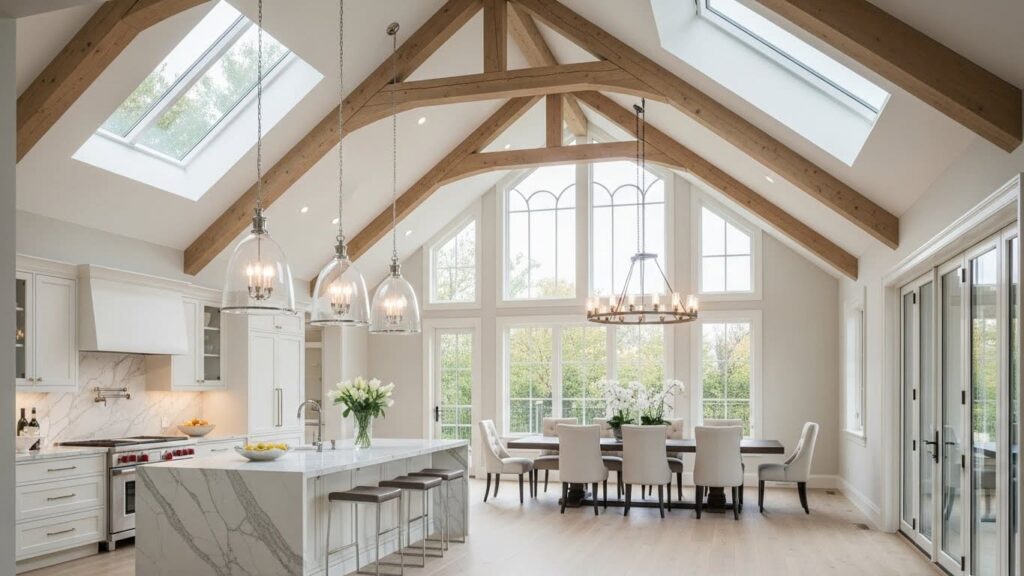
In modern homes, kitchens are no longer hidden functional areas – they are central design elements. A vaulted ceiling dramatically elevates this space, allowing for tall cabinets, accent lighting and an elaborate ventilation system. Natural light enhances cooking areas, while open volumes prevent heat build-up.
The dining areas under the vaulted ceiling benefit just as well. High ceilings allow for large pendant lights and a dramatic dining table that feels intentional rather than crowded. This vertical openness also supports airflow and sound balance, making gatherings feel spacious and sophisticated.
Wooden Beams and Textured Finishes for an High End Look
Exposed wood beams are one of the most sought-after enhancements for vaulted ceilings. Whether in rustic oak, dark walnut or soft-toned pine, beams introduce texture, warmth and architectural muscle. They visually break up the ceiling while maintaining transparency.
Stuccofinish, tongue-and-groove panels or shiplap textures are also growing in popularity. These finishes add dimensional depth, helping homeowners avoid overly sterile roof designs. The goal is to combine height with character, and a vaulted ceiling provides the perfect canvas for that fusion.
The Power of Architectural Lighting Design in Vaulted Spaces
Lighting becomes much more important when it comes to ceiling heights. A vaulted ceiling allows for advanced bold accent strategies such as architectural lighting design, where layered lighting brings out both structure and mood. Lighting with beams, hidden LED strip lighting and large-scale chandeliers all become possible.
This approach to lighting changes the behavior of the ceiling at night. The height no longer disappears into the darkness – it becomes a framed architectural element. With the right architectural lighting design, a vaulted ceiling becomes as attractive in the evening as it is in daylight.
Seamless Flow with Open Concept Living
A vaulted ceiling naturally complements modern floor plans built around boldly highlighted open concept living. When the living, dining and kitchen rooms are connected under a unified vaulted ceiling, the home achieves architectural continuity. Instead of fragmented spaces, the entire interior feels like a harmonious environment.
This design approach improves visual communication between spaces while improving airflow and natural light distribution. A vaulted ceiling enhances the emotional openness that defines contemporary residential luxury and transforms ordinary layouts into gallery-like interiors.
Material, Colors and Finish Ideas for Vaulted Ceiling Designs
The choice of material is crucial in defining the personality of the vaulted ceiling. Light ceilings add brightness and maximize airy vibes, while darker finishes create dramatic contrast and intimate luxury. Matte surfaces reduce glare, while semi-gloss can subtly reflect light for added depth.
Textures such as wood grain, microcement or subtle plaster finishes add sophistication without overwhelming the architecture. The right combination of materials makes a simple, high-vaulted ceiling the central artistic element of the home.
Creating a Statement with Chandeliers and Hanging Fixtures
Unlike a flat ceiling, a vaulted ceiling allows homeowners to experiment with large, sculptural light fixtures. Oversized chandeliers, multi-layered pendants or effervescent glass installations become practical rather than over-the-top.
These fixtures act as visual anchors, balancing vertical space while adding personality to the space. When aligned with premium furniture and thoughtful decor placement, a vaulted ceiling becomes the stage for expressive light art.
Luxury Appeal Through Luxurious Interior Styling
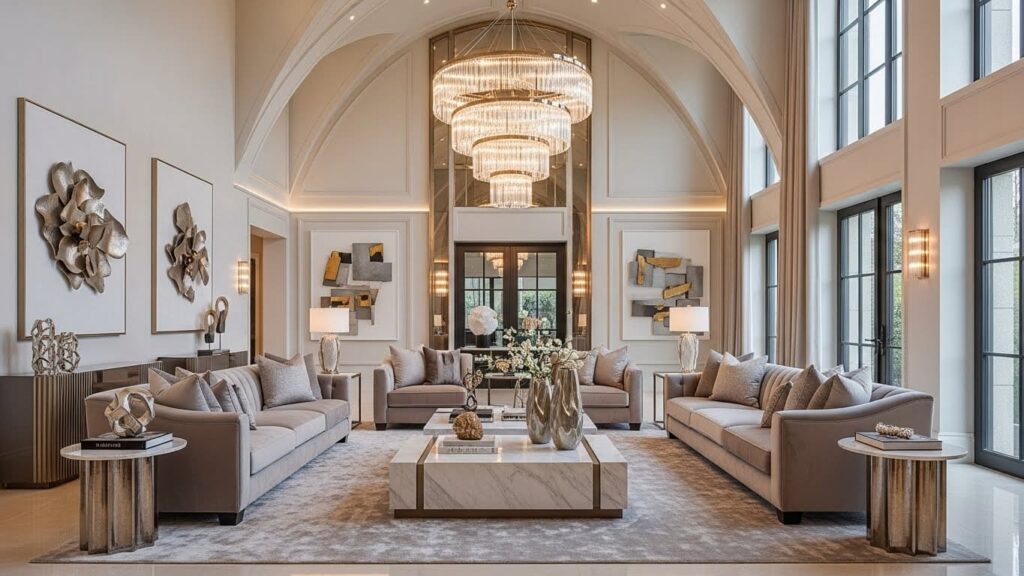
Design flourishes at its peak when architectural elements align with Bold highlighted luxury interior styles. A vaulted ceiling sets the stage for layered fabrics, curated art, premium furniture and dramatic lighting creations. Vertical volume allows luxury items to breathe without overwhelming the space.
This relationship between ceiling height and luxurious interior styling turns high-end homes into design experiences rather than just living spaces. The interior feels compact, balanced and internationally inspired.
Real Estate Value and Market Appeal of Vaulted Ceilings
From a property investment perspective, a vaulted ceiling significantly increases the perceived home value. Buyers associate domed architecture with quality construction, modern living and visual prestige. Homes with vaulted areas consistently photograph better, stage better and sell faster in premium markets.
The architectural drama created by the vaulted ceiling sets the listing apart and justifies the high prices, especially in a competitive real estate environment.
Common Design Mistakes to Avoid
While a vaulted ceiling is powerful, poor execution can reduce its effect. Filling the space with oversized furniture, ignoring acoustic controls or choosing inappropriate lighting can break the visual harmony. Balance is important – the height should feel intentional, not accidental.
Careful scaling, layered lighting and controlled color contrast ensure that the ceiling remains a force rather than a distraction.
Conclusion
A vaulted ceiling isn’t just an architectural upgrade—it’s a transformative design benefit that reshapes the experience of a space. From enhancing visual openness and inviting natural light to reinforcing modern layout principles such as an open concept, dome design is redefining residential interiors.
When combined with intelligent architectural lighting design and sophisticated luxury interior styling, a vaulted ceiling becomes a signature element of modern sophistication. It provides visual drama without sacrificing warmth, making it one of the smartest long-term investments for any interior.