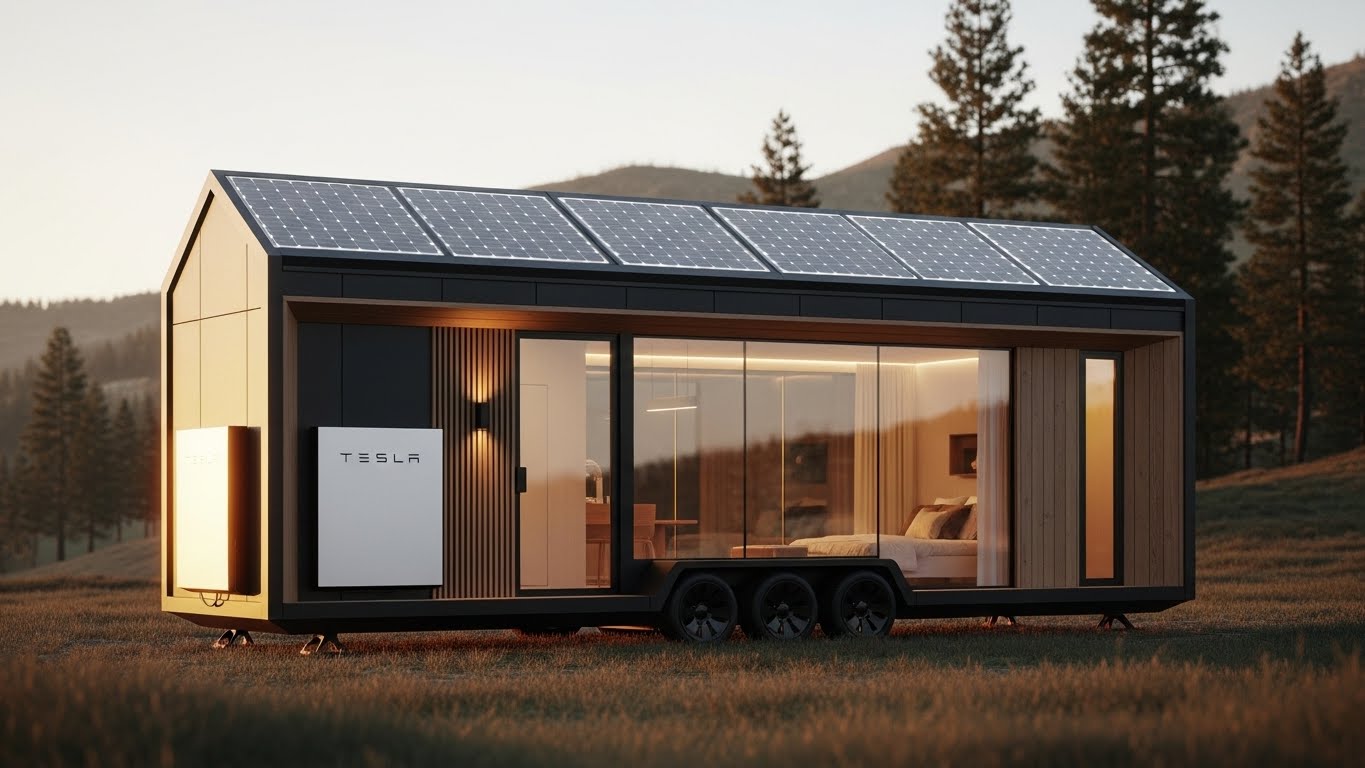
The idea of compact living has been around for decades, but recent technological advances have pushed it into a whole new category. The Tesla tiny house concept represents much more than just a small living space; It symbolizes a shift towards efficiency, stability and independence. As urban housing costs continue to rise globally, many people are thinking about what they really need from a home, and smaller, smart spaces are becoming increasingly attractive.
Unlike traditional tiny homes, which mainly focus on size reduction, the idea of tesla tiny house revolves around energy intelligence and long-term autonomy. Instead of relying heavily on external utilities, this concept prioritizes self-reliance by integrating renewable energy systems with advanced storage solutions. The result is a home designed not only to save space, but to change the way people interact with energy, technology and the environment.
The Philosophy Behind Compact Smart Living
At its core, the Tesla Tiny House philosophy challenges the notion that comfort requires excess. Modern lifestyles often involve larger homes with underutilized rooms, higher energy consumption and increasing maintenance costs. This concept suggests that a thoughtfully designed tiny home can provide equal or even greater comfort while significantly reducing environmental impact.
This approach aligns closely with the rise of off-grid smart homes, where technology is used to maximize efficiency rather than redundancy. Smart climate control, intelligent energy monitoring and automated power distribution enable residents to live comfortably while using very few resources. The emphasis is not on sacrifice, but on living an intentional life motivated by better choices.
Solar Power as the Foundation for the Concept
Energy production is the backbone of the Tesla tiny house, and solar energy plays a central role in making the home truly independent. Rather than relying solely on traditional roof panels, this concept often highlights integrated solar solutions that blend seamlessly into the structure. This is where the Tesla Solar Roof becomes particularly relevant, providing an aesthetic alternative that also functions as a highly efficient power generator.
By generating electricity directly from sunlight, the home reduces its dependence on the grid from day one. During peak daylight hours, excess energy can be produced and stored for later use, ensuring uninterrupted power even at night or in cloudy conditions. This approach transforms the home from a passive energy consumer to an active energy producer.
Power Storage and Energy Independence
Energy production is only half the equation, and storage is what really enables freedom. The Tesla Tiny House concept integrates advanced storage through Tesla Powerwall batteries, allowing excess solar energy to be stored and used when needed. This storage capacity is important for maintaining consistent power in off-grid environments.
With efficiently stored energy, residents are protected against power outages, rising electricity costs and grid instability. Over time, this level of control will translate into long-term savings and peace of mind. Instead of reacting to energy shortages or rising prices, homeowners can proactively manage their consumption, enhancing the practicality of self-powered living.
Living Off the Grid Without Compromise
One of the most attractive aspects of the Tesla Tiny House is its ability to support off-grid living without sacrificing modern comforts. Historically, living off the grid meant giving up convenience, reliable electricity or climate control. This concept turns that thought on its head by combining smart systems with renewable energy.
Through intelligent energy management, lighting, heating, cooling and appliances can work seamlessly even in remote locations. This makes this concept particularly attractive to those who want freedom from urban infrastructure while maintaining a connected, comfortable life. It represents a new era where sustainability and convenience coexist rather than compete.
Interior Design Meets Energy Efficiency
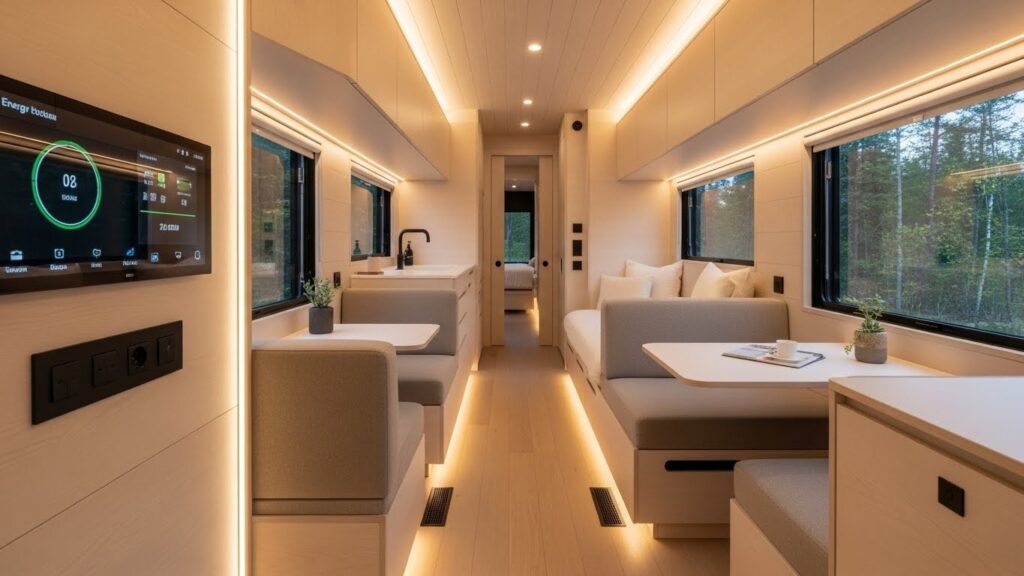
The interior of Tesla’s small home has been designed with both functionality and efficiency in mind. Open floor plans, multi-purpose furniture and natural lighting minimize the need for artificial energy use while maximizing usable space. Every design choice is deliberate, ensuring that the small footprint never feels restrictive.
Energy-efficient appliances and smart controls further enhance the experience. Temperature control systems automatically adjust based on usage patterns, while lighting systems optimize brightness to reduce waste. This careful balance between design and technology ensures that comfort remains central even in compact environments.
Sustainability Beyond Energy Systems
While energy is a major focus, the Tesla Tiny House concept also addresses sustainability through materials and construction methods. Light, durable materials reduce the environmental impact during transport and assembly, while long-lasting components reduce the need for frequent replacement.
Water saving systems, efficient insulation and smart ventilation contribute to the overall sustainability of the home. Together, these elements create a living space that is in line with environmentally conscious values without requiring drastic lifestyle changes. Sustainability becomes an integrated function instead of an additional responsibility.
Cost Efficiency and Long-Term Value
Affordability is an important reason why many choose to live in a small home, and the Tesla Tiny House offers an attractive long-term value proposition. While initial costs may involve advanced technology investments, ongoing expenses are significantly reduced through energy independence and reduced maintenance requirements.
Over time, the savings on your electricity bill, less reliance on utilities and minimal maintenance can make up for the upfront investment. For individuals focused on long-term financial stability, this model offers an alternative path to home ownership that avoids many of the hidden costs associated with traditional housing.
Comparison with Traditional Housing Model
To better understand the appeal of the Tesla Tiny House, it helps to compare it to traditional homes. Traditional homes often prioritize size and space, while this concept emphasizes efficiency, adaptability and sustainability. The difference is not only physical, but philosophical.
Below is a comparison chart highlighting the key differences:
| Feature | Tesla Tiny House Concept | Traditional Home |
| Energy Source | Solar-based with storage | Grid-dependent |
| Power Backup | Built-in battery system | External generators |
| Monthly Utilities | Minimal to zero | High recurring costs |
| Environmental Impact | Low carbon footprint | Higher emissions |
| Flexibility | Mobile and adaptable | Fixed location |
This comparison shows why many see the concept as a future-proof alternative rather than a specific experiment.
Technology as a Lifestyle Option
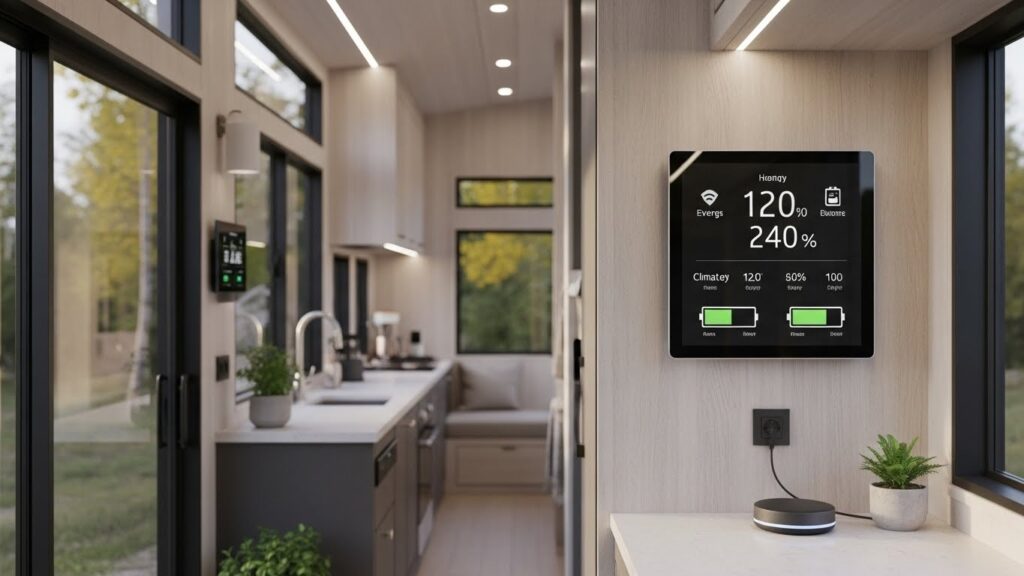
The technology in the Tesla Tiny House is not intended to overwhelm the inhabitants, but to quietly improve daily life. Smart systems monitor energy use in real time, helping homeowners understand and optimize their consumption patterns. This level of transparency encourages more responsible energy habits without imposing restrictions.
Automation further simplifies everyday tasks, so that residents can focus on experiences rather than maintenance. Be it remote temperature adjustment or solar energy tracking through an app, technology becomes an invisible assistant that supports a more efficient lifestyle.
The Role of Innovation in Housing Trends
The growing interest in the Tesla Tiny House reflects a wider change in people’s attitudes towards housing. Younger generations in particular prioritize flexibility, stability and financial independence over traditional markers of success such as large homes. This change is reshaping housing markets and influencing future development strategies.
As climate concerns and economic pressures continue to grow, innovative housing solutions are likely to receive even greater attention. Concepts that combine renewable energy, smart design and compact living may soon go from experimental ideas to mainstream options.
Challenges and Practical Considerations
Despite its advantages, tesla tiny house concept is not without its challenges. Zoning regulations, local building regulations and infrastructure restrictions can affect where and how such homes can be placed. These external factors play an important role in determining feasibility for individual buyers.
In addition, moving to a smaller living space requires lifestyle adjustments. Although technology supports comfort, residents must still live a life of minimalism and intentionality. Understanding these considerations is essential for anyone seriously considering this housing model.
The Future of Smart Compact Homes
Looking ahead, the Tesla Tiny House concept could serve as a blueprint for future home design. As the technology becomes more affordable and regulations evolve, the same models can be adapted to both urban, suburban and rural environments.
The integration of renewable energy, intelligent storage and compact design suggests a future where homes will not just be shelters, but active participants in the energy ecosystem. This development has the potential to reshape how communities are formed and how individuals interact with their surroundings.
Conclusion
Tesla’s tiny house represents a bold reimagining of what modern housing can be. By combining solar energy, advanced battery storage and smart living principles, it offers a vision of freedom that aligns with both environmental and economic goals.
For those seeking a balance between innovation, sustainability and simplicity, this concept offers a fascinating glimpse of the homes of the future. It’s not just about living shorter, but about living smarter in a world where efficiency and responsibility matter more than ever.