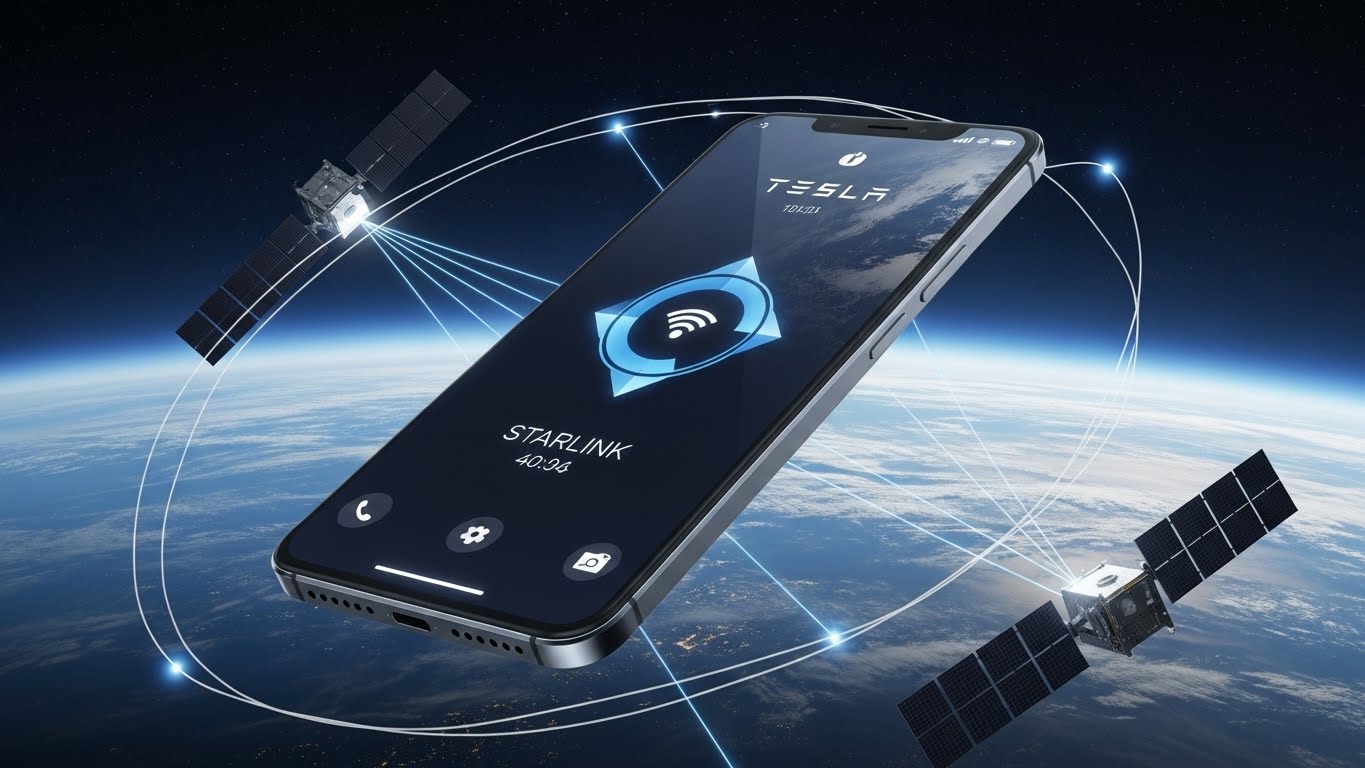
Smartphone technology has evolved rapidly over the past two decades, but one limitation has remained largely unchanged: reliance on cellular networks. Whether in remote areas, during natural disasters or when traveling overseas, connectivity gaps still exist. This is where the idea behind the Tesla Pi phone starts to get a lot of attention. The concept suggests a future where smartphones will no longer be limited to traditional cell towers, but instead rely on satellites orbiting the Earth.
The integration of satellite connectivity into consumer smartphones may represent a turning point in global communications. With Starlink already building a large network of low-Earth orbit satellites, the basis for satellite-based smartphones is no longer theoretical. The Tesla Pi phone concept bills itself as a device designed for a world that expects constant, seamless connectivity.
The Tesla Pi Phone Concept
The Tesla Pi phone is widely touted as a conceptual smartphone connected to Tesla’s innovation ecosystem. Although not officially announced, the idea has gained momentum due to Tesla’s involvement in electric vehicles, artificial intelligence, energy solutions and space-based internet through Starlink. Supporters of the concept believe the phone will integrate seamlessly with Tesla’s existing technologies rather than function as a stand-alone gadget.
What makes this concept attractive is not just the hardware, but the ecosystem approach. The Tesla-designed phone could theoretically interact with Tesla vehicles, energy products and satellite networks, creating an integrated digital experience. This approach is in line with Tesla’s broader strategy of vertical integration across industries.
Starlink’s Role in Redefining Connectivity
Starlink is already changing how Internet access is provided worldwide. By deploying thousands of low-orbit satellites around the Earth, Starlink aims to provide high-speed, low-latency Internet even in the most remote locations. Unlike traditional satellite internet, which suffers from high latency, Starlink’s proximity to Earth allows for performance comparable to terrestrial broadband.
When conceptually paired with the Tesla Pi phone, the Starlink satellite becomes an important enabler of smartphone functionality. Instead of relying on local telecommunications infrastructure, users could potentially connect directly to satellites, making coverage nearly universal. This could be transformative for rural communities, travellers, emergency workers and developing regions.
How a Satellite Smartphone Would Work
The idea of satellite smartphones raises questions about feasibility, hardware design and power consumption. Traditional satellite phones are large and expensive, designed for specific business uses. The Tesla Pi phone concept proposes a consumer-friendly device that can access satellite networks without compromising design or usability.
Advances in antenna miniaturization, signal processing, and chip efficiency make this idea more realistic than ever. Specially designed to communicate with Starlink satellites, the phone can dynamically switch between terrestrial and satellite connections depending on availability. This hybrid approach will ensure optimal performance while maintaining battery efficiency.
Breaking Free from Cellular Network Limitations
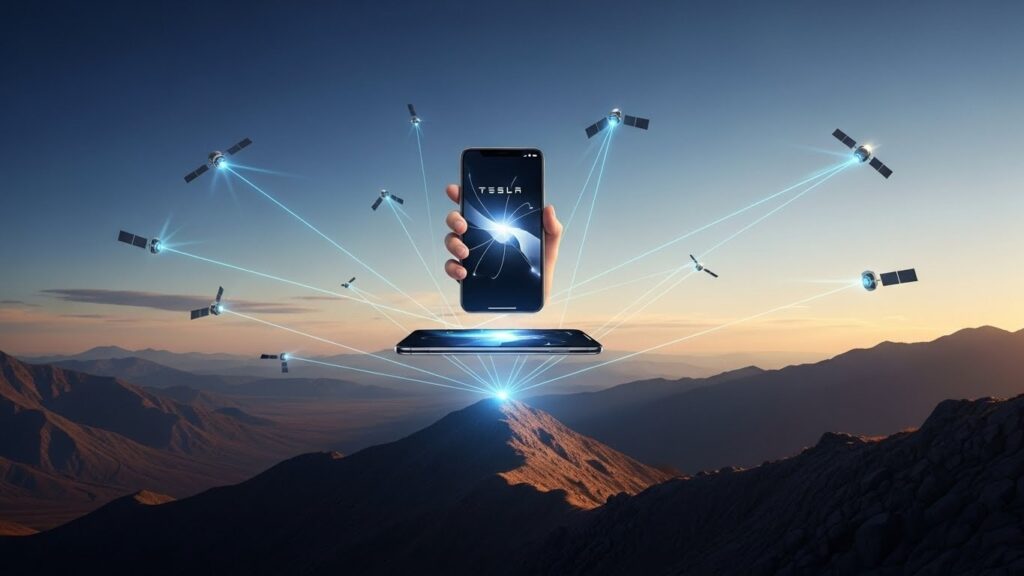
One of the most disruptive aspects of the Tesla Pi phone concept is its ability to reduce reliance on traditional telecommunications providers. Mobile networks require extensive infrastructure, licensing and regional agreements, which limit coverage and increase costs. Satellite connectivity overcomes many of these barriers by operating globally from space.
This change could fundamentally change the telecommunications industry. If satellite smartphones become viable on a large scale, consumers may no longer be tied to a particular carrier or coverage area. The ability to maintain connectivity anywhere on Earth can redefine what users expect from a mobile device.
Use Case Beyond Everyday Communication
The implications of a Starlink-enabled Tesla Pi phone extend far beyond everyday calls and messages. In emergency situations, where mobile infrastructure is damaged or overloaded, satellite connectivity can provide a reliable communication lifeline. This alone could make such devices invaluable to disaster response and humanitarian efforts.
For explorers, researchers and remote workers, seamless connectivity can enable real-time data sharing from locations previously considered unreachable. The maritime and aviation sectors can also benefit from simplified communications systems that do not rely on specialized satellite equipment.
Energy Efficiency and Power Management Challenges
Satellite communications generally consume more power than standard cellular connections, raising concerns about battery life. Any realistic Tesla Pi phone concept would need to address energy efficiency at both the hardware and software levels. This is where Tesla’s expertise in energy systems becomes particularly relevant.
Smart power management, adaptive connectivity modes and possibly even experimental charging technologies can help mitigate these challenges. Efficient energy use will be key to making satellite smartphones practical for everyday use rather than occasional emergencies.
Security and Privacy Considerations
Satellite connected smartphones will also introduce new security and privacy concerns. Direct satellite communications can reduce reliance on local infrastructure that may be vulnerable to surveillance or censorship. In addition, protecting data transmitted through space-based networks will require strong encryption and secure authentication.
If designed correctly, the Tesla Pi can provide better privacy by cutting out the middleman between the phone user and the Internet. This aspect can strongly attract users who are concerned about data security and digital freedom.
Market Disruptions and Industry Impact
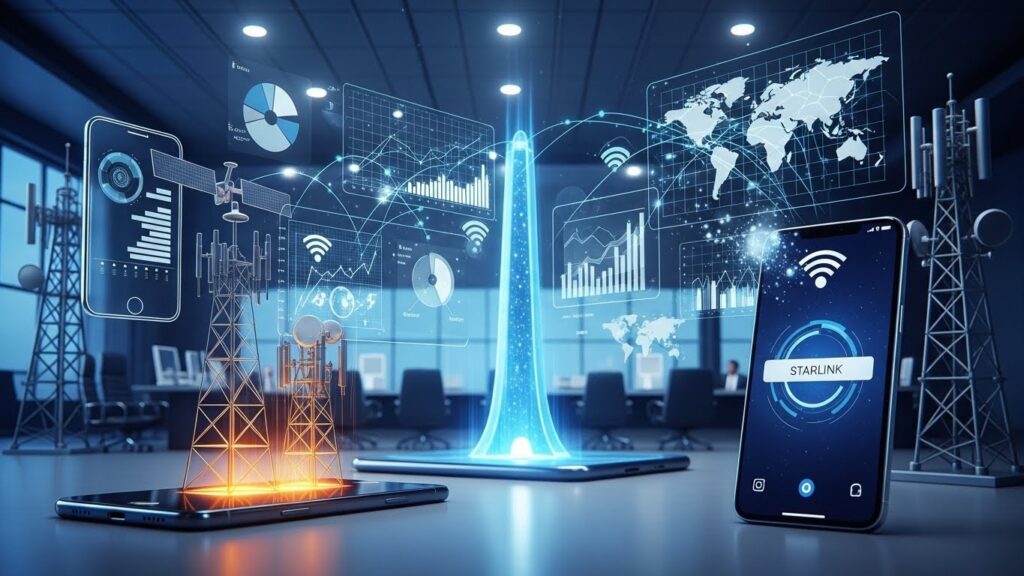
If a Tesla Pi phone integrated with Starlink becomes a reality, its impact on the smartphone and telecommunications industry could be significant. Incumbent manufacturers and carriers will face pressure to innovate or adapt to the new connectivity paradigm. Satellite integration can become a competitive differentiator rather than a unique feature.
Such a change is likely to happen gradually, starting with premium devices and niche markets before expanding to mainstream consumers. Even as a concept, the idea is already influencing how people think about the future of mobile connectivity.
Tesla Pi Phone vs Traditional Smartphones
| Feature | Tesla Pi Phone (Concept) | Traditional Smartphones |
| Network Connectivity | Direct satellite + terrestrial hybrid via Starlink | Cellular towers (4G/5G) |
| Coverage Area | Near-global, including remote regions | Limited to network coverage zones |
| Internet Reliability | High resilience during outages and disasters | Vulnerable to tower failures |
| Dependency on Carriers | Minimal or none | Fully carrier-dependent |
| Emergency Communication | Strong potential for always-on connectivity | Often unavailable in remote areas |
| Infrastructure Requirement | Space-based satellite network | Ground-based telecom infrastructure |
| Target Use Case | Global travelers, remote workers, emergencies | Everyday urban and suburban users |
Challenges and Real World Constraints
Despite the excitement, there are significant challenges that could delay or prevent the implementation of satellite smartphones. Regulatory approvals, spectrum allocation, hardware costs and technical limitations all represent major obstacles. Governments tightly control satellite communications, and global deployment will require extensive coordination.
In addition, it remains a technical challenge to ensure consistent performance in urban environments, where buildings can interfere with satellite signals. These obstacles suggest that even if the vision is compelling, practical implementation will require time and careful planning.
Why the Concept Continue to Gain Attention
The Tesla Pi phone concept continues to trend as it sits at the intersection of several future-focused technologies. Smartphones are mature products, and consumers are increasingly attracted to innovations that provide meaningful change rather than incremental upgrades. Satellite connectivity represents a real leap forward.
The association with Tesla and Starlink contributes to this interest, as both brands are already known for challenging industry norms. Even without official confirmation, the idea is relevant because it seems linked to wider technological and social changes.
The Future of Satellite Smartphones
The idea of whether the Tesla Pi phone will become a commercial product highlights an important direction for mobile technology. Satellite integration is likely to play an increasing role in connectivity, especially as global demand for reliable Internet access continues to grow.
The future may include smartphones that seamlessly blend terrestrial and satellite networks, giving users seamless access wherever they go. In that sense, the Tesla Pi phone and the Starlink concept represent not only a product idea, but also a preview of what mobile communication can become.
Conclusion
The combination of the Tesla Pi phone concept and Starlink technology paints a compelling picture of a world without connectivity limitations. Although challenges remain, the underlying technologies are advancing rapidly, making satellite smartphones more feasible than ever.
As consumers increasingly value reliability, independence and global reach, the demand for such innovations will only increase. Whether through Tesla or another innovator, the future of satellite smartphones appears to be closer than many expected.