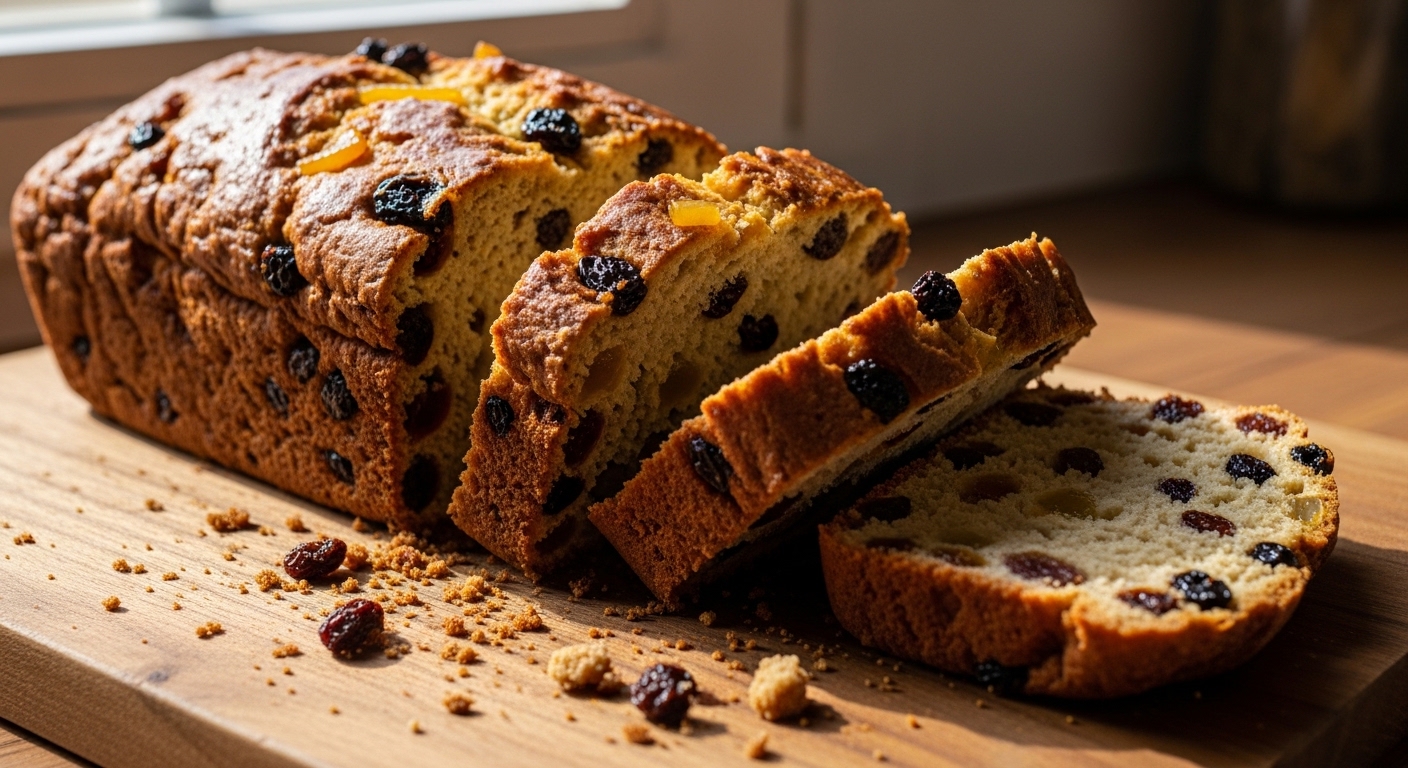
The charm of homemade tea Loaf lies in its simplicity, yet this traditional baking evolves with modern techniques that enhance both flavor and texture. Of these methods, soaking dried fruit overnight has become a favorite for bakers who want richer, tastier results. This small but powerful step allows the fruit to absorb moisture and expand, turning an ordinary loaf into something exceptionally tender and delicious. When you bite into a well-made tea loaf, you immediately notice the difference – each slice feels moist, balanced and naturally sweet without being overwhelming.
What makes this method so attractive is that it requires very little extra effort while delivering bakery-level quality. Instead of rushing into your preparations, patience becomes your secret ingredient. Giving the fruits time to soften ensures they blend seamlessly into the batter rather than extracting moisture during baking. The result is a loaf that stays fresh longer and tastes even better the next day.
The History Behind the Beloved Tea Loaf
For generations, tea Loaf has been closely linked to British afternoon tea culture, where simple cakes were served alongside hot drinks and conversation. Unlike heavy frosted desserts, this Loaf focuses on comfort and practicality. Families often prepare it with pantry staples, making it an accessible dish that can be enjoyed throughout the week. Over time, this recipe traveled across borders, becoming popular with home bakers, who appreciated its reliability and versatility.
Despite its simple origins, tea Loaf has proven remarkably adaptable. Modern bakers are experimenting with different teas, fruits and spices while preserving the essence of the original recipe. The overnight soaking method isn’t entirely new—it reflects traditional baking wisdom that understood the importance of hydration in dry ingredients. Today, this technique is celebrated not only for its tradition, but also for the superior texture it creates.
Why Soaking Fruit Is a Game-Changer
At the center of an extraordinary tea loaf is properly prepared fruit. Dried fruit naturally lacks moisture, and if added directly to the batter, they can absorb the liquid intended for the cake. Soaking reverses this process and allows the fruit to rehydrate before baking. As they age, they release a mild sweetness throughout the Loaf, ensuring that each slice is evenly flavored rather than dry crumbs.
This method also enhances the aroma, especially when the fruits are steeped in tea. The liquid penetrates deeply into the fruit and carries subtle notes that complement the Loaf without overwhelming it. Many bakers find this step crucial to achieving what is often called moist tea Loaf, a texture that feels soft but structured enough to cut cleanly.
Choosing the Right Fruit for Maximum Flavor
Choosing high quality dry fruits plays a big role in the success of your tea. Raisins remain a classic choice for their natural sweetness, but raisins, chopped apricots, dates and sultanas can add complexity. Adding more fruit often creates a more layered flavor, ensuring that the Loaf never seems one-dimensional.
Maintaining balance is equally important. Too sweet fruits can make the Loaf heavy, while tart varieties provide a contrast that keeps every bite interesting. When soaked overnight, these fruits develop a jam-like consistency that melts beautifully into pieces, enhancing the distinctive softness associated with well-made Loaf.
The Role of Tea in Flavor Development
This may seem obvious, but the tea itself significantly affects your Tea Paw’s personality. Strong black teas create a deep, savory background that pairs wonderfully with rich fruits, while lighter blends provide a more delicate finish. Some bakers like to experiment with spiced infusions, subtly adapting the recipe with the growing understanding of the traditional tea Loaf recipe while adding modern flair.
Temperature is also important when preparing for blotting. The hot tea encourages faster absorption, helping the fruits to swell and release their natural sugars. In the morning, the mixture often has a lovely aroma that signals that something special is about to come out of the oven.
Essential Ingredients for a Perfect Bake
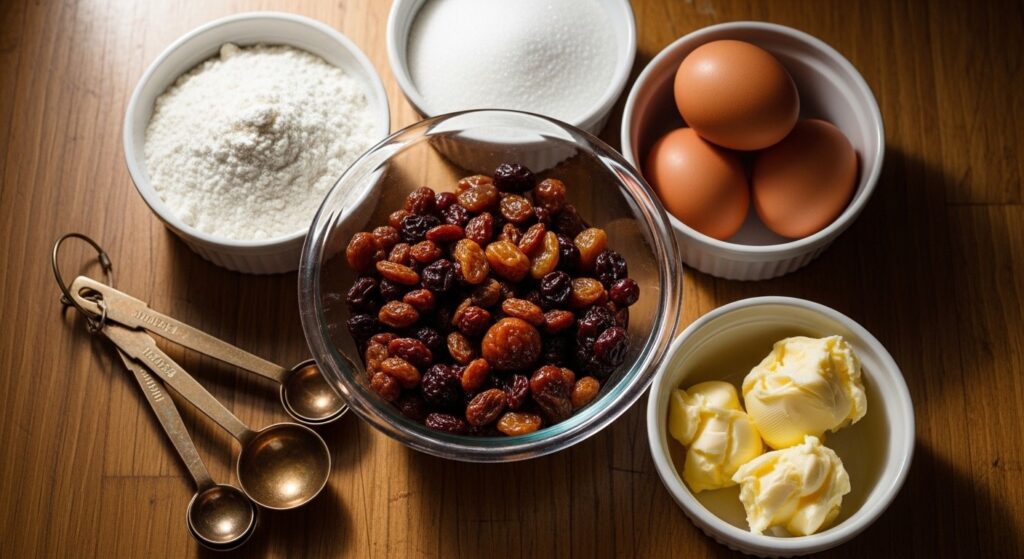
Although the soaking process causes the Loaf to rise, the supporting ingredients ensure that your tea Loaf has the ideal texture. The flour provides stability, the eggs bind everything together, and the modest amount of sugar adds sweetness without overpowering the fruit. Many bakers trim off the extra fat because hydrated fruit already provides moisture, making the loaf surprisingly light while still delicious.
This approach pairs beautifully with those looking for an easy tea loaf recipe that delivers consistent results. By focusing on the quality of the ingredients rather than the complexity, even novice bakers can make Loaf that looks and tastes professional.
Overnight Preparation: Patience That Pays Off
Preparing tea Loaf the night before may seem unusual at first, but it soon becomes a rewarding ritual. After adding the dried fruit to the freshly brewed tea, all you have to do is cover the bowl and let time work its magic. During these hours, the flavors meld, creating a naturally sweet base that requires minimal adjustment later.
In the morning, the fruits appear plump and soft, which makes them easy to fold into the batter without breaking. This step lays the foundation for a loaf that bakes evenly and slices beautifully, proving that patience is often the difference between good baking and great baking.
Texture Secrets Every Baker Should Know
One of the defining characteristics of an excellent tea loaf is the crumb. It should feel soft but never crunchy, moist but not dense. Achieving this balance depends largely on avoiding overmixing after adding the soaked fruits. By folding it carefully, the air is kept inside the batter, so that the loaf rises properly in the oven.
Another often overlooked detail is letting the loaf rest after baking. Allowing it to cool completely helps redistribute the moisture, which helps prevent breakage when cutting. Many bakers find that the flavor deepens after several hours, which makes the loaf even more delicious the next day.
Flavor Variations Worth Exploring
While tradition brings comfort, experimenting with flavor can give your tea Loaf a modern edge. Citrus zest brightens the profile, cinnamon adds warmth, and a touch of honey can enhance the natural sweetness without affecting the taste. These additions complement the soaked fruit rather than compete with it.
Creative variations also reflect the growing popularity of fruit-soaked teacakes, a baking style that emphasizes depth of flavor through preparation rather than excessive sugar. Whether you prefer classic tones or subtle innovations, the Overnight method supports both approaches beautifully.
Ingredient Overview Table
| Component | Purpose | Recommended Options | Impact on Flavor |
| Dried Fruits | Natural sweetness and texture | Raisins, dates, apricots | Rich, layered taste |
| Brewed Tea | Hydration and aroma | Black tea, chai, Earl Grey | Warm and fragrant |
| Flour | Structure | All-purpose flour | Stable crumb |
| Eggs | Binding | Room-temperature eggs | Smooth texture |
| Sugar | Gentle sweetness | Brown or caster sugar | Balanced flavor |
Serving Ideas That Elevate the Experience
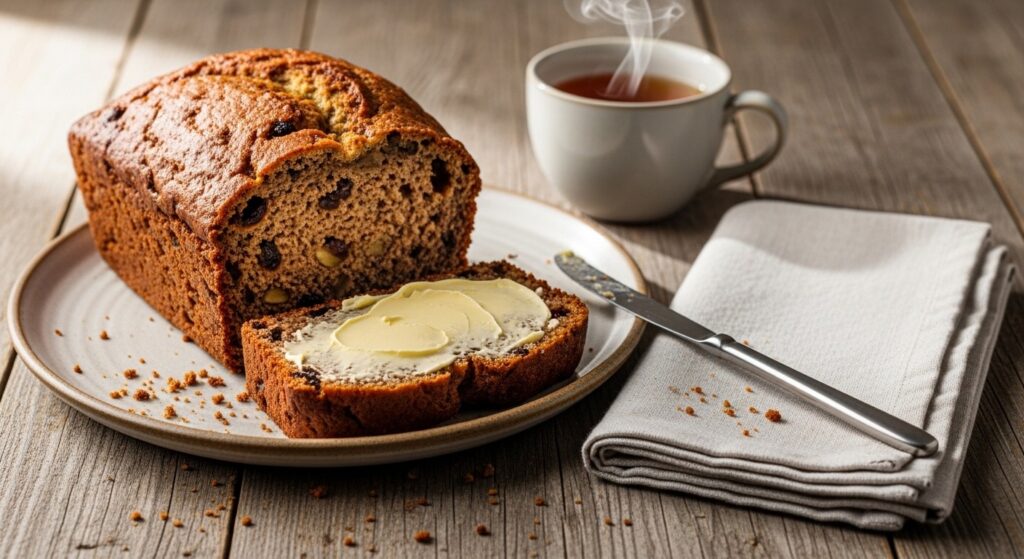
Serving freshly cut tea Loaf can be as simple or sophisticated as you like. Some like it to appreciate the fruit-based flavor, while others add a bit of butter for extra richness. Combining it with hot tea creates a relaxing ritual that feels both nostalgic and joyful.
Presentation can also increase enjoyment. Cutting equal pieces and arranging them neatly on a wooden or ceramic plate gives the bread a baker’s-style charm, enhancing the experience of a tea time cake tradition and making it perfect for serving to guests or informal weekend gatherings.
Storage Tips for Lasting Freshness
A well-made tea loaf has an impressive shelf life when stored properly. Wrapping it tightly helps retain moisture, keeping the texture soft for days. Many bakers find that the flavor actually improves over time as the ingredients continue to melt.
For long-term storage, refrigeration works well, although bringing the slices back to room temperature before serving restores tenderness. This durability is one of the many reasons why Loaf remains a favorite in busy households.
Common Mistakes to Avoid
Even a simple tea loaf can remain incomplete if some details are overlooked. Skipping the soaking step often results in dryness, while too much sugar can dull the natural flavor of the fruit. Measuring ingredients carefully and respecting cooking times helps to maintain the consistency.
It is equally important to resist the urge to bite into the loaf too soon. Cutting it while it’s hot can cause it to crumble, undoing all the careful preparation that went into getting the texture just right.
Why This Continues to Win Hearts
The enduring popularity of tea Loaf proves that thoughtful preparation never goes out of style. Soaking fruit overnight reflects a slower, more deliberate approach to baking—one that rewards patience with remarkable flavor and tenderness. It turns a simple recipe into something memorable without the need for advanced skills.
In a fast-paced world, dishes like this remind us that some of the best culinary experiences cannot be rushed. The process becomes part of the pleasure itself, building anticipation for the first perfectly moist piece.
Conclusion
Mastering the tea Loaf is less about complexity and more about understanding how small techniques lead to big improvements. Soaking overnight ensures that the fruit provides moisture rather than stealing it, resulting in a loaf that feels both hearty and delicate. Once you experience the difference, it will be difficult to go back to the fast methods.
Whether you’re cooking for family, friends or personal enjoyment, this approach guarantees reliable results. With minimal effort and a little patience, your next loaf can deliver the kind of flavor and texture that draws people to another slice.