The Polar Vortex Collapse Weather Forecast has become an increasingly discussed topic as extreme cold continues to surprise areas that once experienced relatively stable winters. These sudden drops in temperature are no longer isolated events, but part of a larger atmospheric pattern that scientists are closely monitoring. As weather systems become more unstable, understanding the mechanisms behind polar vortex disturbances is crucial for both preparedness and long-term climate awareness.
In recent years, meteorologists have observed strong interactions between the upper atmosphere and surface weather, especially in winter. These interactions affect how cold air moves from arctic regions to mid-latitudes. The Polar Vortex Collapse Weather Forecast helps explain why some winters feel unusually harsh, even in places unaccustomed to prolonged cold conditions.
What the Polar Vortex Really Is and Why It Matters
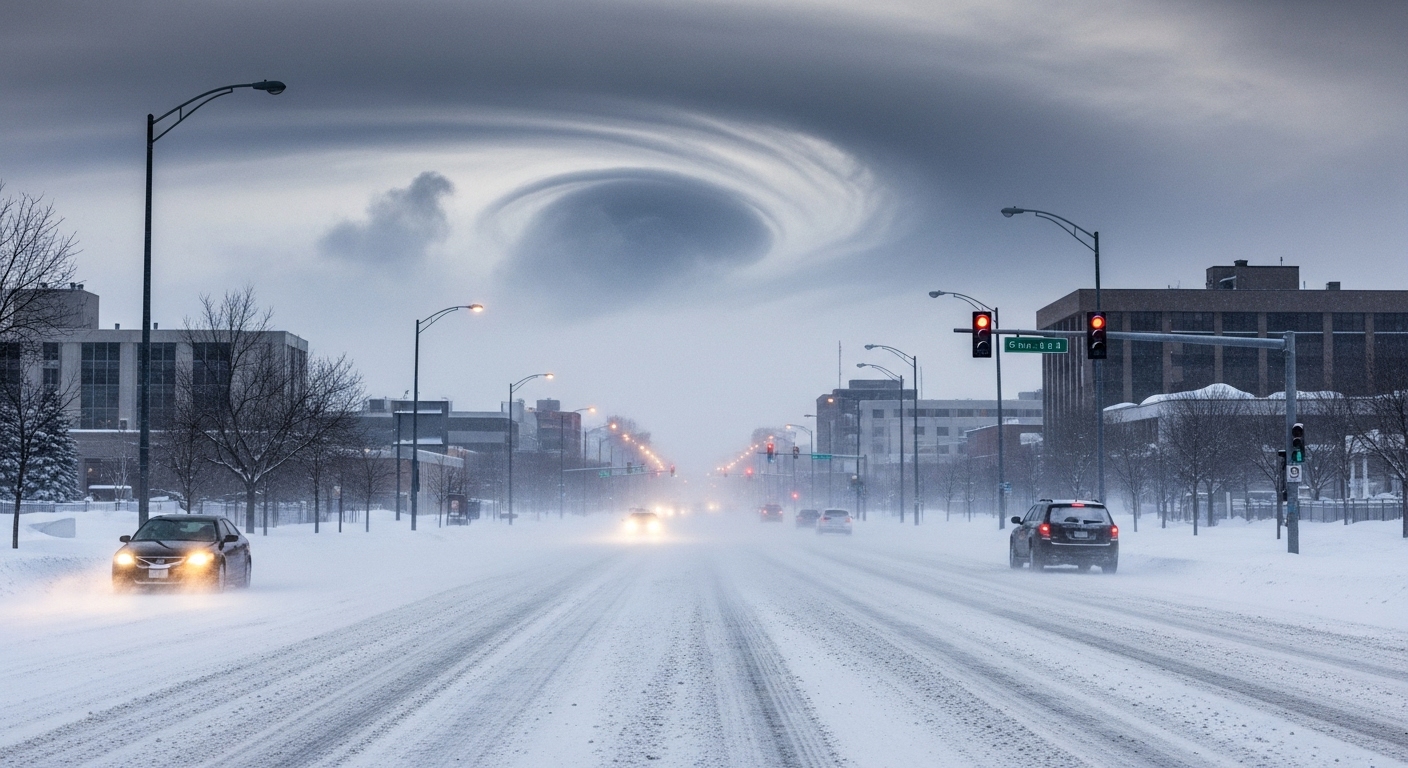
The polar vortex is a huge circle of cold air swirling around the Arctic in the upper atmosphere. During stable winters, this system remains strong and keeps cold air near the polar regions. However, changes in atmospheric pressure and temperature can weaken this structure, allowing cold air to spread south. When this happens, winter weather patterns across the continents change dramatically.
A weak vortex does not always mean extreme cold everywhere, but it increases the likelihood of a severe cold outbreak. The Polar Vortex Collapse Weather Forecast focuses on identifying when this system becomes unstable and how this instability may affect regional climate. These forecasts are especially important for countries that lack infrastructure designed for sustained cold temperatures.
The Role of Sudden Stratospheric Warming in Polar Vortex Collapse
One of the main triggers behind polar vortex disruption is sudden stratospheric warming. This phenomenon occurs when the temperature in the stratosphere rises rapidly, sometimes by as much as 50 °C in a few days. This warming weakens or reverses the winds that normally maintain the polar vortex.
When sudden stratospheric warming events occur, the polar vortex can split or collapse completely. This disturbance pushes Arctic air masses towards lower latitudes, setting the stage for extreme cold waves. The Polar Vortex Collapse Weather Forecast closely tracks these warming events, as they often serve as early warning signs of severe winter weather weeks in advance.
Why Some Winters Become Exceptionally Harsh
Not all polar vortex disruptions lead to disaster, but certain conditions increase their impact. Snow cover, ocean temperatures, and atmospheric pressure patterns all interact to determine how severe a winter will be. When these factors align, the result is extreme winter weather that can last for weeks.
Polar Vortex Collapse Weather Forecast helps identify when these amplifying conditions are present. By analyzing historical data and real-time atmospheric changes, scientists can assess whether winter is likely to see mild swings or prolonged cold that puts pressure on energy systems and disrupts daily life.
How Cold Air Travels South After a Vortex Collapse
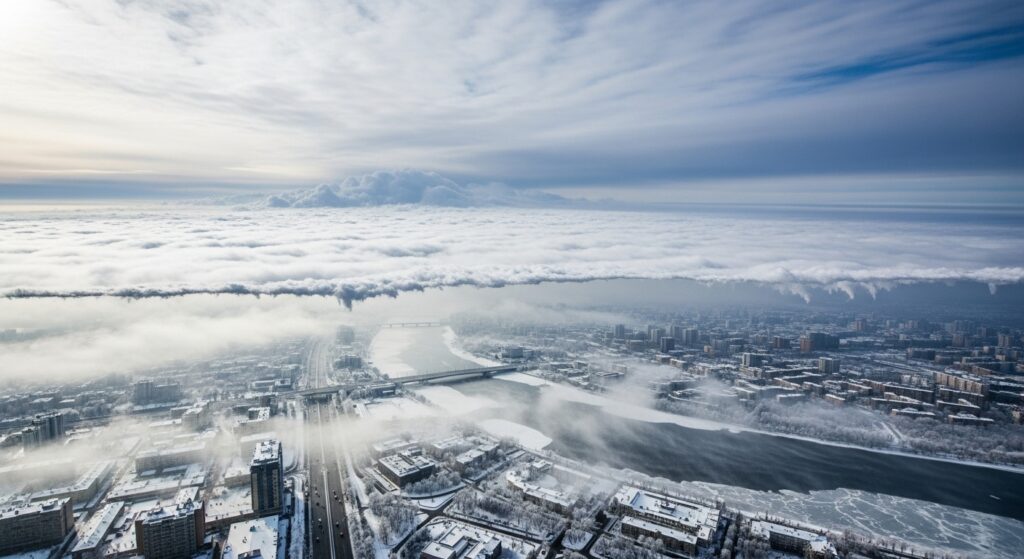
As the polar vortex weakens, cold air no longer moves randomly. Its path is guided by changes in the Arctic jet stream, a fast-moving band of winds that affects weather systems in the Northern Hemisphere. When the jet stream becomes wavy instead of stationary, it allows cold Arctic air to move south while warm air begins to move north.
This changing jet stream pattern explains why some areas experience record cold while others see unusual warmth. The Polar Vortex Collapse Weather Forecast analyzes these jet stream activities to predict where cold air outbreaks are most likely. Understanding this flow is important for predicting sudden temperature drops and prolonged winter storms.
Regions Most Affected by Polar Vortex Collapse Events
North America, Europe and parts of Asia are particularly exposed to disturbances in the polar vortex. As the vortex weakens, these areas move directly into the path of southward arctic air. Urban areas often experience serious consequences due to aging infrastructure and high population density.
In many cases, the Polar Vortex Collapse Weather Forecast indicates that areas far from the Arctic may experience colder temperatures than areas closer to the pole. This counterintuitive effect highlights the complexity of atmospheric systems and emphasizes the importance of accurate forecasts to minimize economic and human losses.
Connection Between Climate Change and Polar Vortex Behaviour
Scientists continue to debate how climate change affects polar vortex dynamics. Some research suggests that a warming Arctic reduces the temperature difference between the poles and lower latitudes. This weaker contrast can make the polar vortex more unstable and prone to collapse.
The Polar Vortex Collapse Weather Forecast is increasingly incorporating climate data to understand long-term trends. Although individual events cannot be attributed solely to climate change, the increasing frequency of extreme cold outbreaks suggests that broader environmental changes may be influencing atmospheric behavior.
How Forecast Models Predict Polar Vortex Collapse
Modern weather forecasting relies on complex computer models that simulate atmospheric conditions at many scales. These models analyze temperature, wind patterns and pressure systems to detect early signs of vortex instability. When warning signs appear, meteorologists begin issuing forecasts weeks before a potential cold outbreak.
The Polar Vortex Collapse Weather Forecast is not a single prediction, but a continuously updated assessment. As new data becomes available, the forecasts are fine-tuned to improve accuracy. This dynamic approach allows governments, businesses and individuals to prepare more effectively for severe winter conditions.
Historical Examples of Polar Vortex Collapse Events
Past polar vortex collapses provide valuable insight into future risks. Events in recent decades have caused massive power outages, transport disruptions and economic losses. Studying these cases helps scientists improve forecast models and identify patterns that precede extreme cold events.
By examining historical data, Polar Vortex Collapse Weather Forecast becomes more reliable over time. Each event provides new information about how atmospheric systems behave under stress, making it possible to better prepare for future winters.
Key Impacts of Polar Vortex Collapse on Daily Life
Extreme cold affects more than just temperature. It disrupts supply chains, damages crops and increases health risks, especially for vulnerable populations. Increased heat demand often leads to energy shortages or rising prices.
Weather forecasting of polar vortex collapse plays an important role in mitigating these impacts. Early warnings allow officials to allocate resources, strengthen infrastructure and issue public safety advisories before conditions become dangerous.
Comparative Overview of Polar Vortex Stability and Impacts
| Polar Vortex Condition | Atmospheric Behavior | Weather Impact | Duration of Effects |
| Stable Polar Vortex | Strong circular winds | Cold air remains near Arctic | Normal winter patterns |
| Weakened Polar Vortex | Distorted wind flow | Periodic cold outbreaks | Short to moderate |
| Collapsed Polar Vortex | Split or reversed winds | Severe cold waves | Extended and intense |
Preparing for Winters Influenced by Polar Vortex Collapse
Preparation is the most effective defense against extreme cold. Governments and communities are increasingly relying on seasonal perspectives to guide infrastructure planning and preparedness. Individuals can reduce their risk by understanding warning signs in advance and making winter preparations at home.
As forecasting science advances, the accuracy and reliability of Polar Vortex Collapse Weather Forecast will continue to improve. By combining atmospheric research with public awareness, society can better adapt to the challenges of increasingly unpredictable winter weather patterns.
The Importance of Public Awareness and Early Communication
Public awareness plays an important role in reducing the risk associated with extreme winter conditions due to polar vortex disruptions. When people understand how and why severe cold occurs, they are more likely to take forecasts seriously and take timely action. Clear communication from weather agencies helps communities prepare mentally and logistically for prolonged cold, reducing panic and misinformation.
Educational measures and accurate media reporting strengthen trust in weather forecasts. When warnings about potential polar vortex impacts are given early and properly explained, individuals and businesses can make informed decisions. This proactive approach significantly reduces the social and economic stress that often follows unpredictable winter extremes.
Long-Term Adaptation Strategies for a Changing Climate
In addition to short-term preparations, long-term adaptation becomes increasingly important as polar vortex disturbances emerge more frequently. Urban planning, upgrading of energy infrastructure and flexible transport systems are essential to cope with frequent cold. These measures ensure that both cities and rural areas can withstand severe winter stress without extensive disruption.
Investment in climate-robust infrastructure also supports economic stability. As forecast models are developed, insights from the Polar Vortex Collapse Weather Forecast can guide policymakers in designing systems that remain functional under extreme conditions. Long-term adaptation turns severe winters from crises into manageable challenges.
Looking Ahead: The Future of Winter Weather Forecasting
Advances in atmospheric science continue to improve the way we understand and predict polar vortex behavior. Advanced satellite data, artificial intelligence and high-resolution climate models make forecasts more accurate and accessible. These instruments allow scientists to detect more subtle changes in the upper atmosphere than ever before.
As forecasting technology advances, so will society’s ability to respond to extreme winter events. A deeper understanding of polar vortex dynamics ensures that future winters, however severe, can be met with preparation rather than surprise.