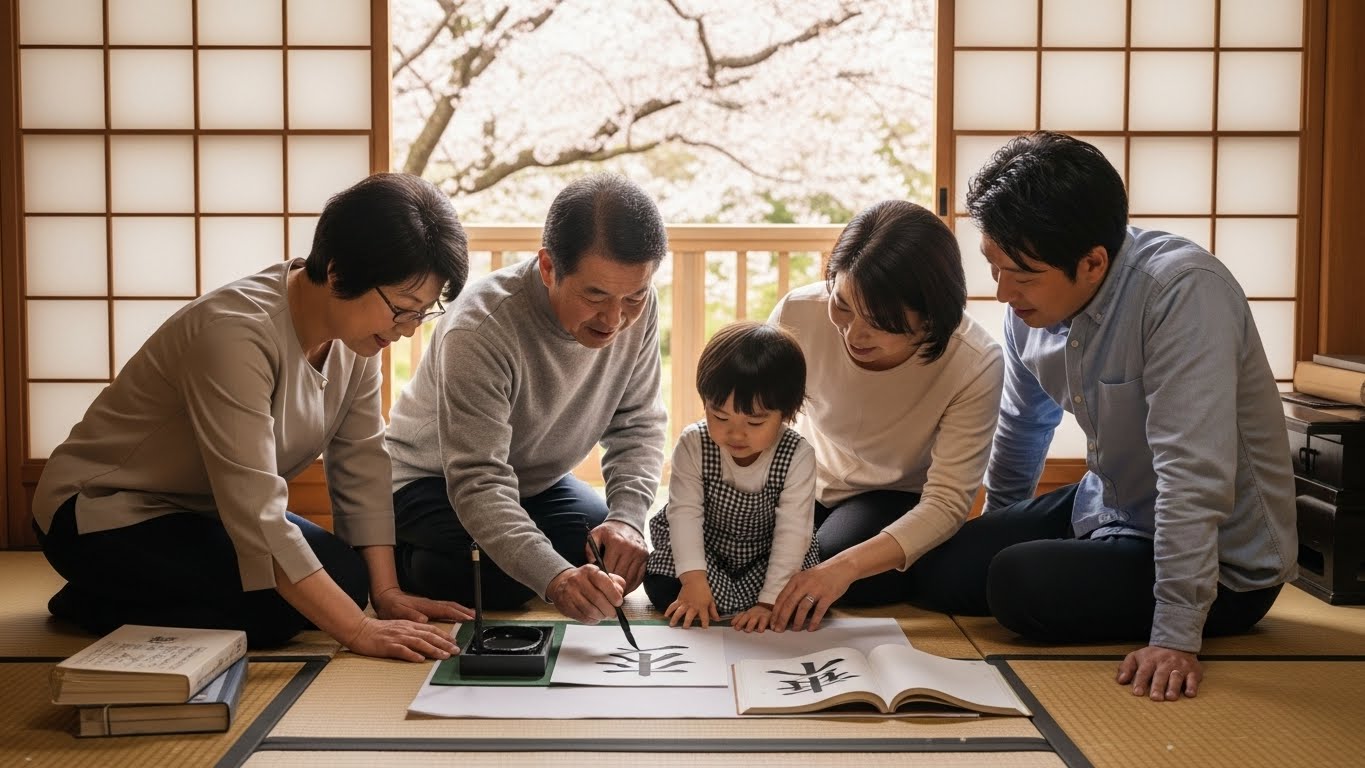
In Japanese society, naming a child is considered a meaningful and symbolic act rather than a simple formality. Parents believe that names carry emotional energy, cultural memory and future ambitions. From the very beginning of life, a name becomes a reflection of identity, values and family heritage. This is why Japanese names are chosen very carefully, often after long discussion and thoughtful contemplation.
Unlike many cultures where names are chosen primarily for sound or popularity, Japanese naming focuses deeply on meaning and symbolism. Families think about how a name will affect personality, destiny and social perception. This philosophy is closely related to Japanese naming traditions, which emphasize harmony between language, culture and emotions. The result is a naming system that feels poetic, intentional and deeply rooted in tradition.
Historical Evolution of Naming Practices
The history of naming in Japan goes back centuries and has developed through various social and political eras. In ancient Japan, names often indicated social rank, clan identity, or occupation. Aristocrats and warriors followed strict naming customs, while ordinary people had simpler names and often lacked surnames. Over time, these structures shaped how Japanese names developed and were understood in society.
A major change occurred during the Meiji Restoration, when the government required all citizens to adopt a surname. This change unified naming conventions and created the modern structure still used today. Despite modernization, historical influences are visible, especially in traditional name choices that reflect respect, loyalty and ancestral pride. These layers of history add depth and continuity to Japanese naming culture.
The Power and Meaning of Kanji Characters
One of the most distinctive elements of Japanese naming is the use of kanji. Each kanji character has its own meaning, pronunciation and visual balance, making name selection a highly creative process. Parents don’t just choose how the name should sound; They carefully select characters that convey desired qualities such as wisdom, kindness or strength. This is why Japanese names can have multiple meanings despite having the same pronunciation.
The beauty of kanji characters lies in their flexibility. The same name can be pronounced with different kanji, with each kanji giving the name a unique interpretation. This enables parents to deeply personalize a name, ensuring it reflects their hopes for the child. The visual appearance of the kanji is also important, as balance and elegance are believed to influence the overall harmony.
Family Legacy and Generational Influence
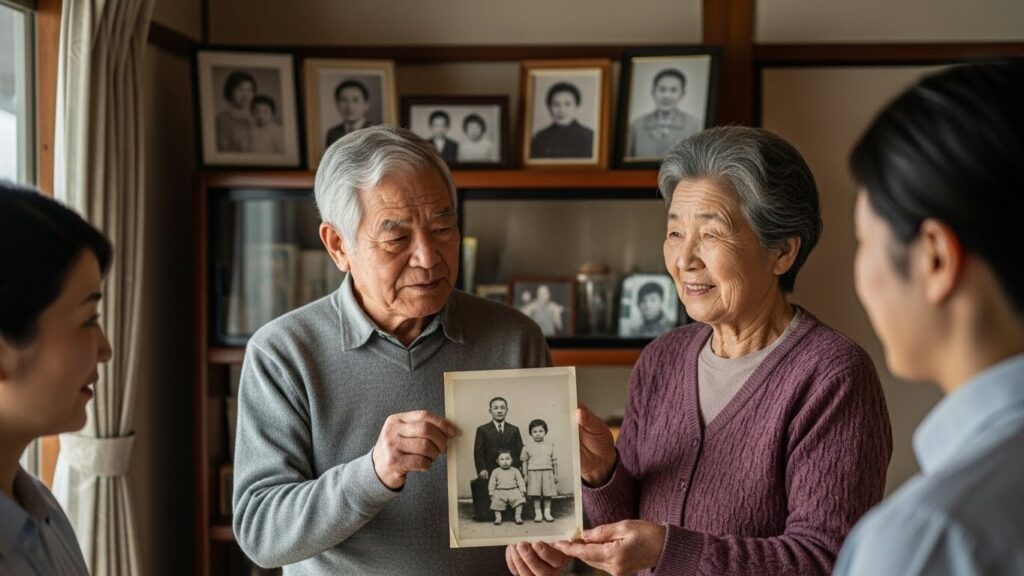
A central part of naming in Japan is family involvement. Elders are often consulted and their opinion is of great importance. In some families, a specific kanji is passed down through the generations to honor ancestors and preserve the lineage. Through this practice, Japanese names become a bridge between past, present and future.
Modern parents sometimes combine traditional family characters with new characters to create new meanings. This approach respects heritage while allowing for individuality. This reflects a cultural balance where respect for ancestors does not stifle creative expression, but rather enhances it through continuity and respect.
Stroke Count, Luck and Spiritual Beliefs
Beyond meaning and form, traditional beliefs play a role in naming decisions. Many families consider the stroke number to be kanji characters, which are associated with luck and fortune in traditional numerology. Certain punch combinations are believed to bring success, health or happiness. Because of this, Japanese names are sometimes only chosen after consulting charts or experts.
Although modern parents may not strictly adhere to these beliefs, they still respect their cultural significance. Traditions for the number of strokes reflect how spirituality affects everyday life in Japan. Even when viewed symbolically, this practice adds another thoughtful layer to the naming process, mixing logic with faith.
Gender Roles and Changing Name Styles
Traditionally, male and female names in Japan follow clear patterns. Male names often symbolize strength, leadership or ambition, while female names emphasize beauty, gentleness or nature. But as society develops, these distinctions become less rigid. Today, Japanese names are increasingly chosen based on meaning and sound rather than strict gender rules.
This shift reflects broader social changes in Japan, where individual identity and freedom of expression are becoming increasingly important. Gender-neutral names and creative combinations are now more common, allowing names to reflect modern values while respecting cultural roots. This development shows how the nomenclature changes over time.
Nature, Seasons, and Cultural Aesthetics
Nature has always had a special place in Japanese culture, and this strongly influences the choice of names. Many names are inspired by flowers, seasons, weather and natural elements. Names associated with spring often symbolize renewal and growth, while names inspired by winter can represent strength and endurance. These inspirations give Japanese names a poetic and timeless quality.
This deep connection to nature reflects Japan’s cultural understanding of harmony with the environment. By choosing nature-inspired meanings, parents express peace, beauty and balance. Such names feel emotionally rich and culturally connected, connecting individuals to the natural rhythm of life.
Legal Guidelines and Name Restrictions
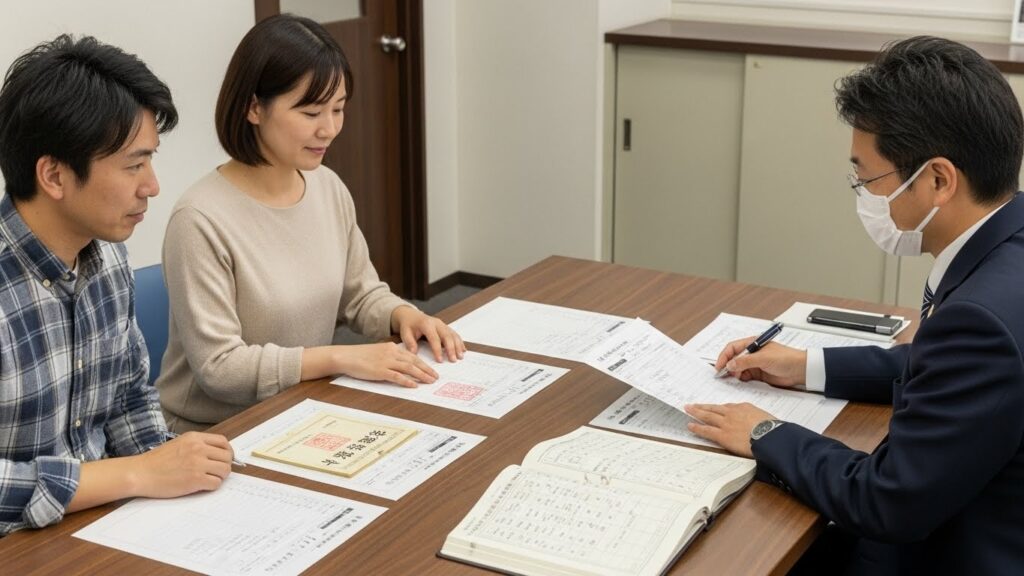
Japan has specific laws governing which kanji can be used in names. The government maintains an official list of approved characters to ensure clarity and legibility in legal documents. These rules help protect children from overly complex or confusing names while maintaining consistency in records. As a result, Japanese names remain practical and meaningful.
Although some consider these restrictions restrictive, many appreciate them as safety measures. They encourage thoughtful creativity within boundaries, ensuring that names are respectful, legible and culturally appropriate. This legal framework is quietly shaping naming practices across the country.
Modern Trends and Global Influences
In today’s globalized world, modern trends also shape name choices. Some parents prefer names that are easy to pronounce internationally or sound modern and stylish. Even when using accepted kanji, they may choose rare readings or creative combinations. Even with these changes, Japanese names maintain a strong cultural identity.
Global influence has not replaced tradition, but has merged with it. Parents often look for names that work both locally and globally, reflecting openness without losing authenticity. This balance ensures that Japanese naming culture remains relevant while preserving its uniqueness.
Emotional Meaning and Lifelong Identity
At its core, naming is an emotional act inspired by love and hope. Parents choose names that contain silent prayers for happiness, resilience and success. More than trends or rules, emotions are the ultimate deciding factor. This is why Japanese names feel extremely personal and meaningful.
A name remains with a person throughout his life, determining how he sees himself and how others see him. Through careful selection guided by Japanese name meaning and tradition, parents give their child more than a label. They leave behind a legacy filled with culture, intentions and heartfelt desires that last for generations.