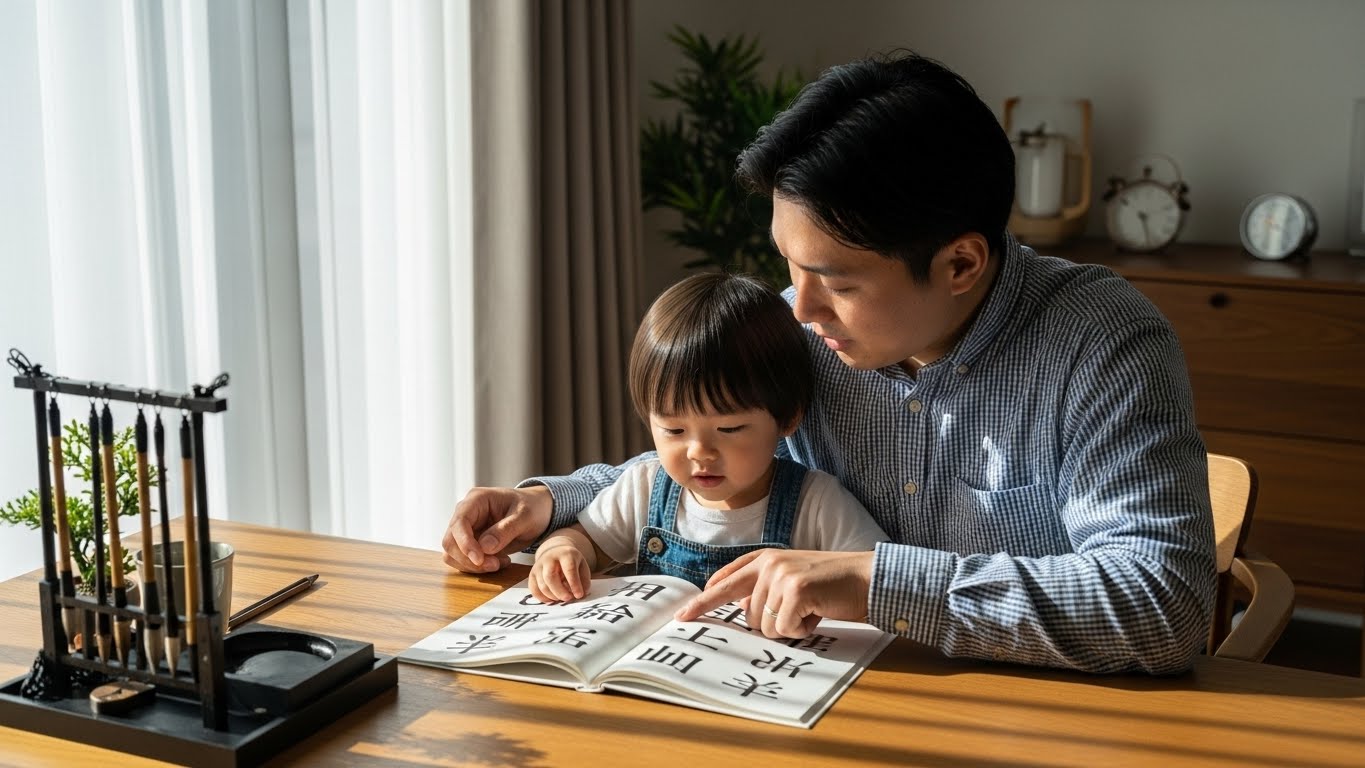
The Unique Appeal of Japanese Male Names
In Japan, names are more than identifiers; They have deep cultural, historical and personal significance. Japanese male names are particularly attractive because they often blend tradition, artistry and meaning. Each name is a story that reflects the parents’ hopes, social values and sometimes even expected fate. Unlike many cultures, where sound or popularity dominates the decision, Japanese naming practices prioritize meaning and resonance.
Parents can spend weeks considering a name, considering how it sounds, the visual beauty of the kanji and its symbolism. In popular culture, Japanese male names often gain recognition through anime, movies and literature, and influence modern trends. This dual influence – cultural heritage and modern media – creates a naming environment rich in meaning and creativity.
Historical Background and Naming Conventions
The origins of male names in Japan go back centuries, deeply influenced by social hierarchy and family lineage. During the feudal period, samurai and noble families followed strict naming conventions, often with kanji representing bravery, loyalty or honor. Common people’s names were simple, usually focusing on readability and auspicious meanings. Over time, these practices evolved, but the historical emphasis on virtue and family connection continued to shape Japanese male names.
Kanji choice was central to historical naming. Each letter has a specific meaning and number of strokes, which are believed to influence luck, personality and destiny. Parents carefully considered these factors to ensure that the name expressed positive qualities and family aspirations. Even today, historical influence is evident in the selection of traditional characters alongside modern trends.
Kanji Characters and Their Meanings
Kanji is a defining element in Japanese names. Each character has both meaning and aesthetic value. The same pronunciation can be represented by several kanji, each of which has a different interpretation. This flexibility allows parents to create unique yet culturally resonant names.
For example, the name Ren can mean “lotus”, “love” or “refined”, depending on the kanji used. Similarly, sora can mean “sky”, “flying” or “empty”. By choosing kanji carefully, parents give Japanese male names layered meaning. Beyond meaning, visual balance and stroke harmony are considered, as they are believed to influence luck and character.
Modern Trends in Japanese Male Names
Contemporary naming practice reflects a balance between tradition and innovation. Many modern parents prefer short, simple and cute names that are easy to pronounce domestically and internationally. The impact of globalization has given rise to creative interpretations while retaining the cultural essence.
Some parents use rare kanji or unconventional combinations to create unique Japanese male names. Trends also change based on media influence, fashion and social ideals, but the emphasis on meaningful characters remains central. Modern names reflect both personal expression and cultural awareness.
Anime and Media Influence on Naming
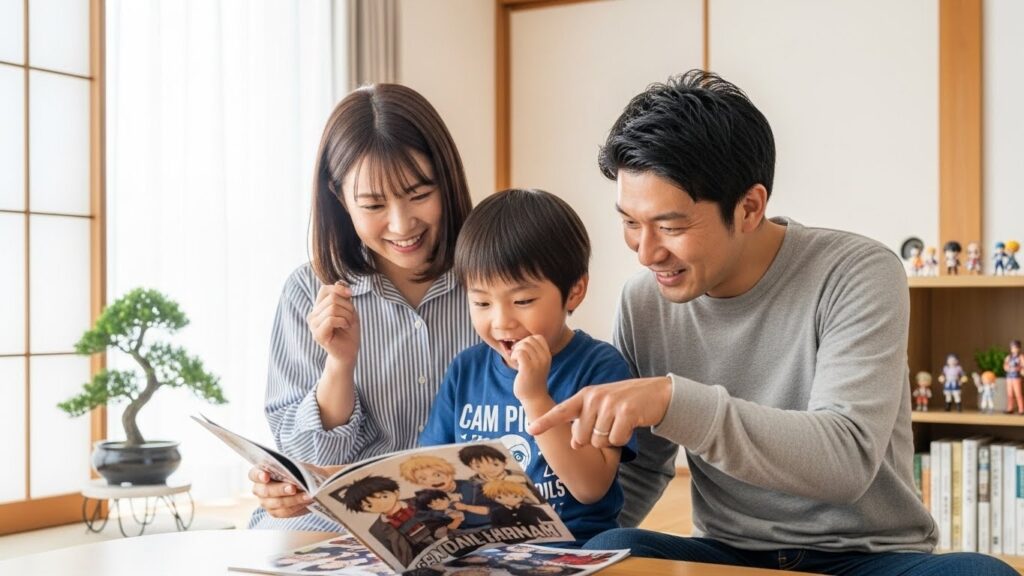
In recent decades, anime has emerged as a major influence on the popularity of Japanese male names. Iconic characters with meaningful names often inspire parents when naming their children. Names like Haruto, Yuuto, and Akihiko have grown in popularity due in part to their frequent appearances in beloved anime series.
The appeal of these names lies not only in their sound, but also in their symbolic qualities. Anime characters often symbolize qualities such as courage, intelligence and perseverance that parents want to instill in their children. By adopting names influenced by anime characters, families are fusing popular culture with traditional naming sensibilities. This trend reflects the modern interaction between media influence and cultural continuity.
Examples of Popular Names
Some Japanese male names have achieved widespread popularity due to their cultural resonance or media representation:
• Haruto – meaning “sunlight” or “flying”, symbolizing energy and optimism.
• Ren – can indicate “lotus”, “love” or “refined”, depending on the kanji.
• Kaito – meaning “sea” or “flying”, represents independence and ambition.
• Souta – Suggests vitality and growth, often associated with youthful energy.
• Riku – meaning “land” or “earth”, symbolizing stability and resilience.
• Yamato – Historically associated with strength, leadership and national pride.
• Takumi – denotes skill, artistry or craftsmanship, denotes talent.
• Hikaru – meaning “light” or “shine”, often associated with brilliance.
• Shota – Represents a healthy, lively or bright child.
• Ryusei – meaning “shooting star”, denotes aspiration and ambition.
These names reflect the blend of traditional qualities, natural elements and modern creativity that define modern Japanese naming culture.
Family and Generational Influence
Family traditions play an important role in choosing a name. Some families reuse kanji from previous generations to honor ancestors, to reinforce continuity and respect. Others combine traditional characters with new characters to reflect both heritage and originality.
This practice ensures that Japanese male names have generational meaning. Names act as a bridge between past and present, preserving family history while allowing for modern interpretation. The interplay between lineage and personality exemplifies the thoughtful nature of Japanese naming culture.
Gender Roles and Contemporary Interpretation

Traditionally, male names emphasize qualities such as strength, courage and leadership. In contrast, female names focus on beauty, grace and gentleness. Although these distinctions persist, modern society has expanded the possibilities, allowing softer or more poetic male names.
Parents can now choose names that are in line with personal values rather than strict gender norms. Modern Japanese male names often balance tradition, creativity and evolving social expectations, reflecting broader cultural changes.
The Emotional and Cultural Significance of Names
Beyond trends and aesthetics, names in Japan are highly emotional. Parents consider these blessings, a way of expressing love, hope and ambition for their child. Japanese male names are chosen with the intention of shaping identity, guiding character and connecting the individual to cultural heritage.
Names also serve as markers of cultural continuity. Through careful selection, they express respect for history, homage to media influences such as anime and recognition of social values. Each name is a lifelong symbol of family love, social unity and cultural identity.
Conclusion
Japanese male names are more than identifiers – they are carriers of culture, history and personal meaning. From traditional kanji choices to inspiration from anime characters, parents invest thought, emotion and creativity in naming their sons. These names link individuals to family heritage, cultural roots and contemporary social influences.
Understanding the history, kanji intricacies, media influences and generational considerations provides insight into the depth of Japanese naming culture. Choosing a name in Japan is an art, a cultural ritual and a lasting expression of love and hope, making Japanese male names some of the most meaningful and admired around the world.