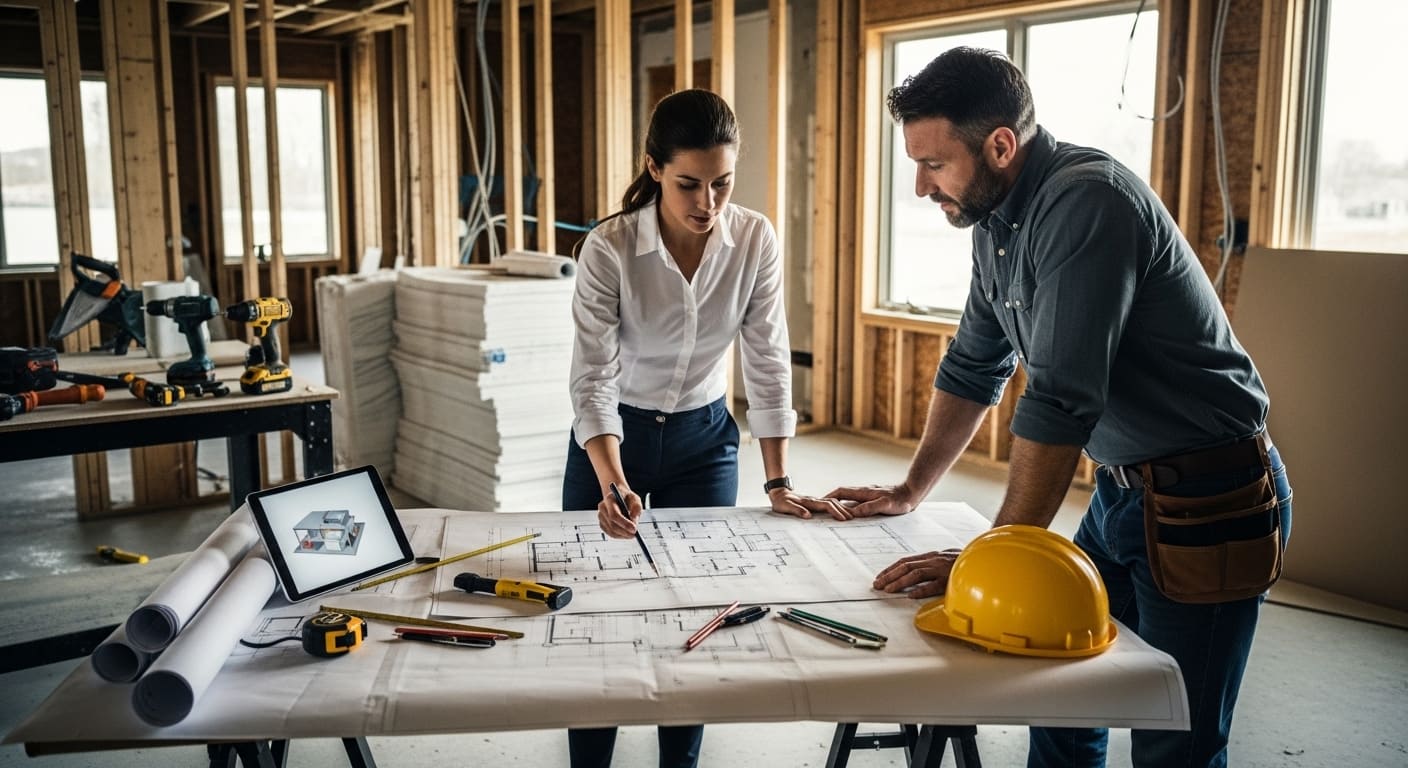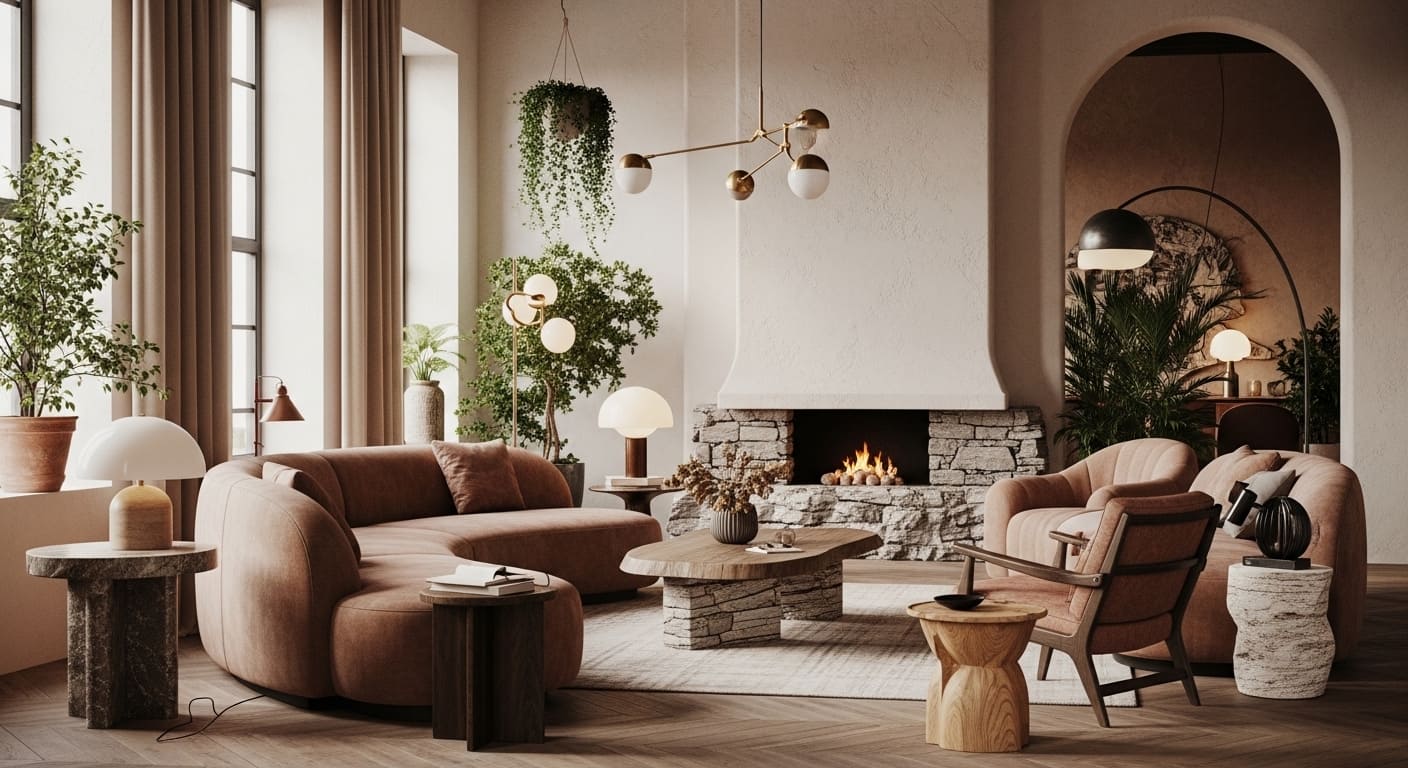
The world of interior design is currently undergoing a profound transformation, moving away from the clinical and sterile aesthetics that dominated the last decade toward a more soulful, lived-in approach. Today, the home is seen not just as a place of residence, but as a sanctuary that reflects the personality and values of those who inhabit it. Designers are increasingly prioritizing comfort, character, and craftsmanship, looking for ways to make modern living feel more grounded and intentional. This evolution involves a careful balance between the old and the new, where vintage treasures sit alongside contemporary silhouettes to create a layered, multi-dimensional environment. The pursuit of high-quality materials and thoughtful spatial planning is a hallmark of the current era, a philosophy championed by the experts at COOPER Design Build when they curate environments that are as functional as they are beautiful. As we move forward, the emphasis remains on creating homes that feel personal rather than staged.
One of the most significant shifts we are seeing is the slow decline of the “all-white” minimalist aesthetic. For years, the design world favored a stark, museum-like quality that, while visually clean, often lacked the warmth and intimacy required for a cozy home life. Now, the pendulum is swinging back toward richness and depth, with a focus on “warm minimalism” that uses earthy tones and organic shapes to soften the edges of modern life. This doesn’t mean the end of simplicity, but rather a more sophisticated version of it that incorporates natural woods, woven textiles, and hand-applied wall finishes.
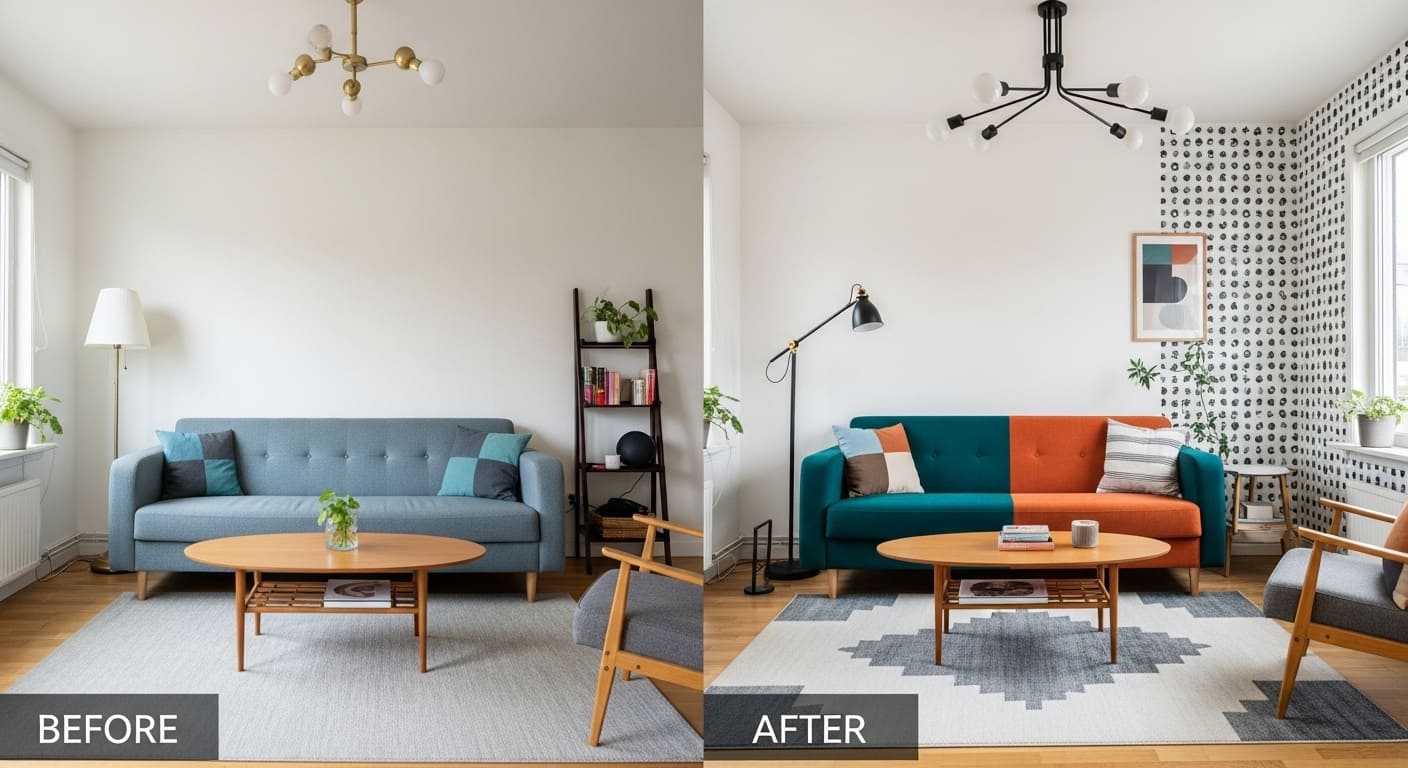
The introduction of color and pattern is also playing a massive role in this new design narrative, as homeowners seek to express their individuality through bolder choices. Rather than sticking to a safe palette of grays and beiges, many are experimenting with deep jewel tones, intricate floral prints, and unexpected color pairings that breathe life into tired rooms. Whether it is a velvet sofa in a deep emerald hue or a dining room wrapped in artisanal wallpaper, these choices signify a desire for a more vibrant and expressive living experience. Working with a dedicated team like Glamour Designs can help homeowners navigate these bold transitions, ensuring that even the most daring design choices feel cohesive and sophisticated throughout the home. This renewed appreciation for color marks a joyful departure from the monochromatic trends of the past.
Embracing the Return of Romanticism and Nostalgia
There is a growing desire to infuse homes with a sense of history and romance, moving away from the fast-furniture culture that has dominated recent years. This trend is characterized by the use of soft curves, scalloped edges, and vintage-inspired patterns that evoke a sense of timelessness and grace.
The Charm of Curvilinear Silhouettes
Furniture is losing its sharp, aggressive angles in favor of softer, more inviting shapes that encourage relaxation and flow. Circular coffee tables, arched doorways, and kidney-shaped sofas are becoming staples in modern living rooms, providing a visual softness that makes a space feel more approachable. These rounded forms are often paired with plush upholstery, such as mohair or bouclé, to enhance the tactile experience of the room. By breaking up the rigid lines of traditional architecture, these pieces create a sense of movement and ease that is essential for a peaceful home.
Floral Patterns and Traditional Accents
We are also seeing a resurgence of traditional motifs, including large-scale florals and intricate lace details that once felt dated but now feel fresh and nostalgic. When applied to modern furniture or used as a bold statement on a single wall, these patterns offer a connection to the past while remaining firmly rooted in the present. This “new traditionalism” allows homeowners to honor their heritage or personal history without making their homes feel like a museum.
The New Palette: Earthy Neutrals and Saturated Hues
The color story of the current season is focused on warmth and grounding, with a heavy emphasis on colors derived from the natural world. Designers are moving toward palettes that feel “rooted,” using shades that mimic the forest floor, the desert sky, and the deep ocean.
While cool grays are fading from popularity, they are being replaced by rich browns, terracotta, and deep ochre. These shades provide a neutral foundation that feels much more welcoming and sophisticated than the sterile whites of previous years. Brown, in particular, has emerged as a powerhouse color, offering a sense of stability and luxury when used in leather upholstery, dark wood cabinetry, or even chocolate-colored paint.
The Rise of Moody Blues and Greens
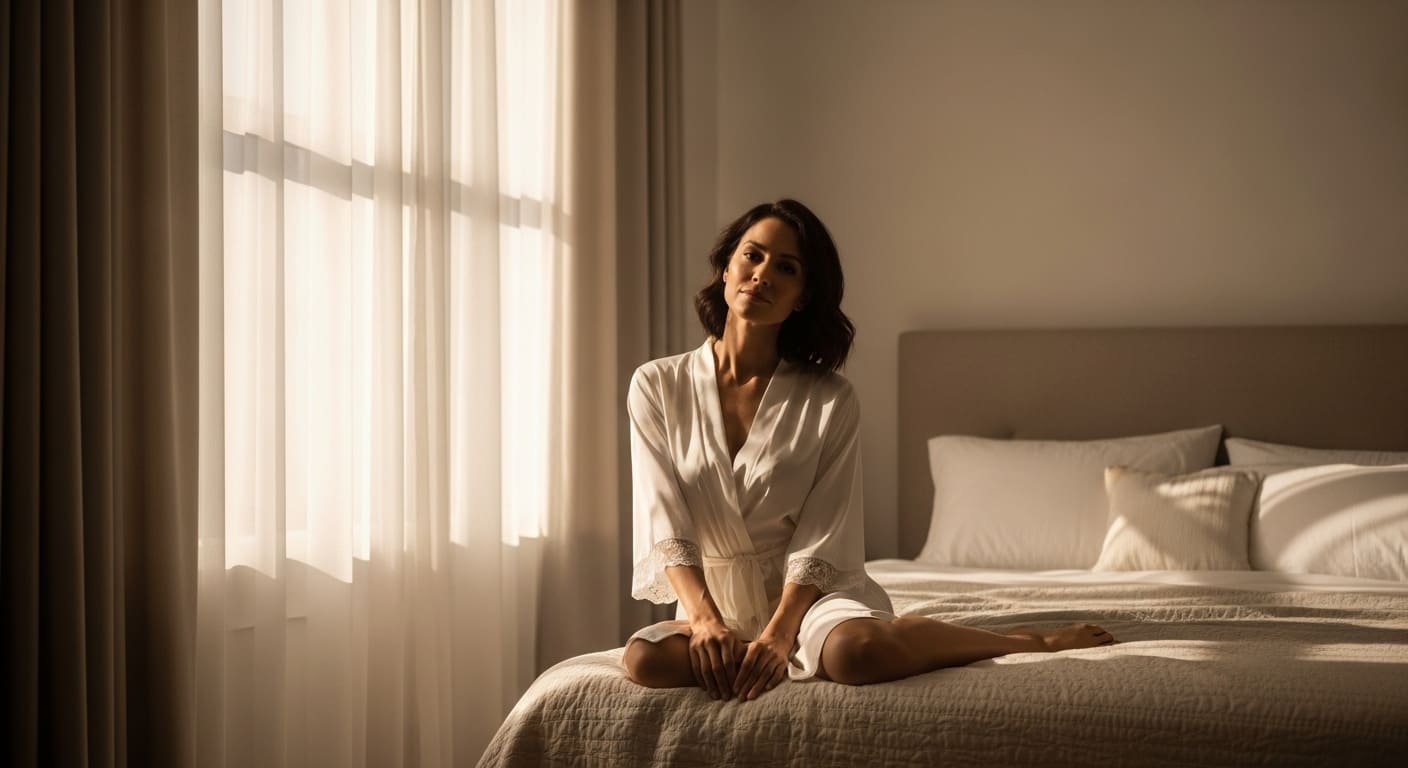
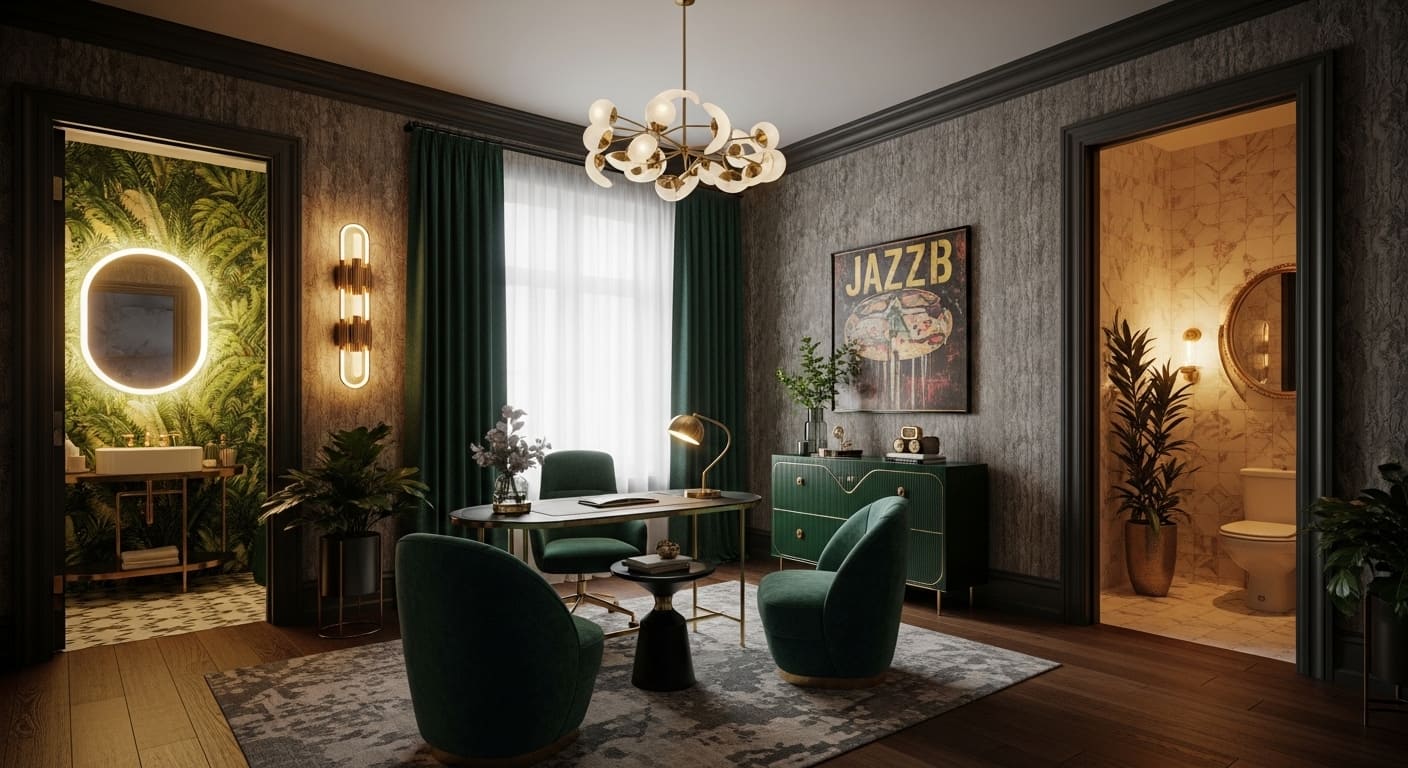
Beyond neutrals, there is a distinct move toward “moody” spaces that embrace darkness to create intimacy. Deep navy, forest green, and charcoal are being used in bedrooms and dens to create a “cocooning” effect that feels safe and private. When these colors are applied to both the walls and the trim, a technique often called color drenching, the room feels unified and expansive, despite the darker tone. This approach turns a simple room into a dramatic experience, proving that color can be one of the most powerful tools in a designer’s arsenal.
Prioritizing Texture Over Perfect Finishes
In the modern home, how a room feels to the touch is just as important as how it looks to the eye, leading to a massive surge in textural diversity. Designers are moving away from flat, glossy surfaces in favor of materials that have a “hand-worked” quality.
Plaster walls, lime wash finishes, and exposed brick are becoming increasingly popular because they add a layer of history and depth that paint alone cannot achieve. These finishes catch the light in different ways throughout the day, giving the walls a living, breathing quality. This focus on “imperfection” is a celebration of the human touch, rejecting the mass-produced look for something that feels uniquely crafted.
Natural Stones and Mixed Metals
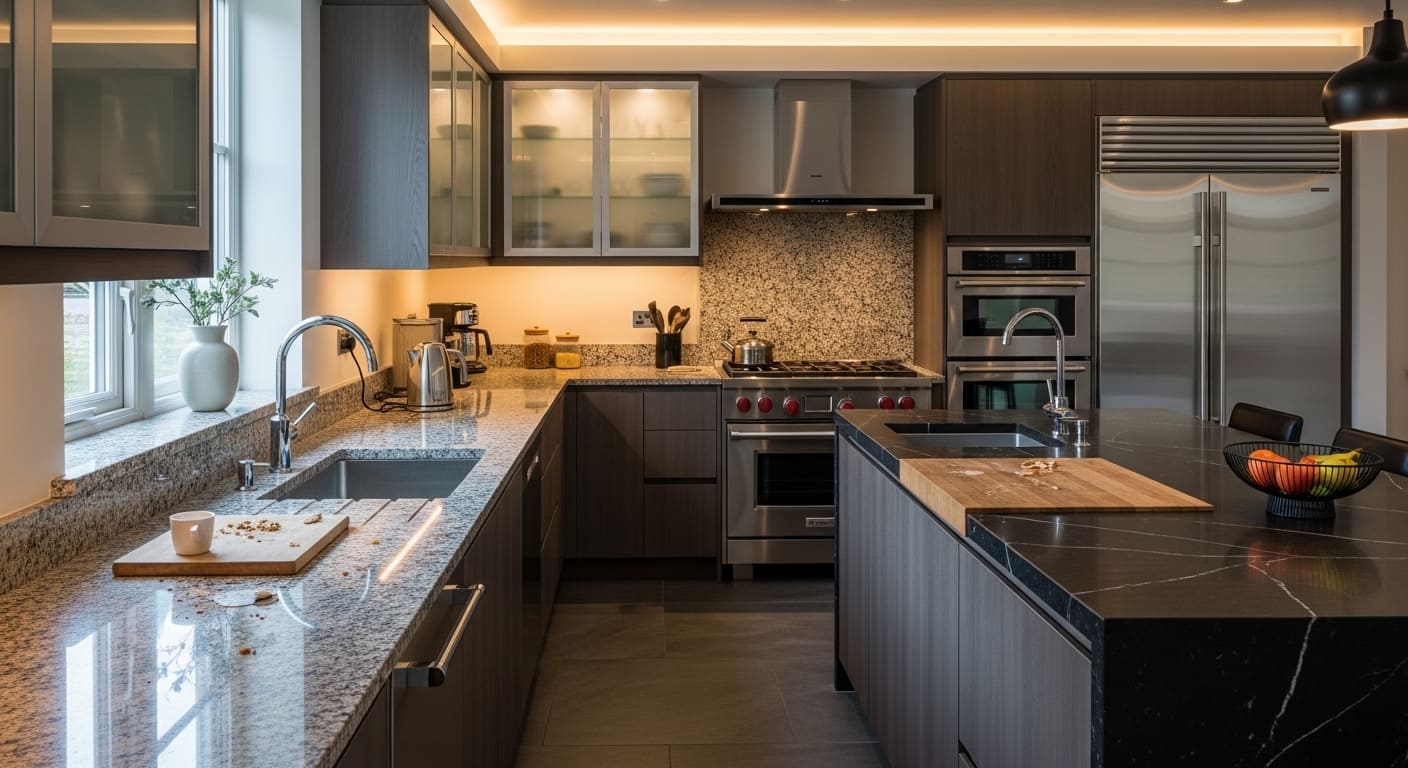
The use of natural stone is also evolving, with a shift away from standard white marble toward stones with high-contrast veining and unusual colors. Green marble, pink onyx, and deep burgundy travertine are being used as functional art in kitchens and bathrooms. Furthermore, the era of matching all your metals is over; mixing silver, chrome, and blackened steel creates a more curated and interesting look that feels as though it has evolved rather than being bought as a set.
Redefining the Layout: The End of the Open Plan
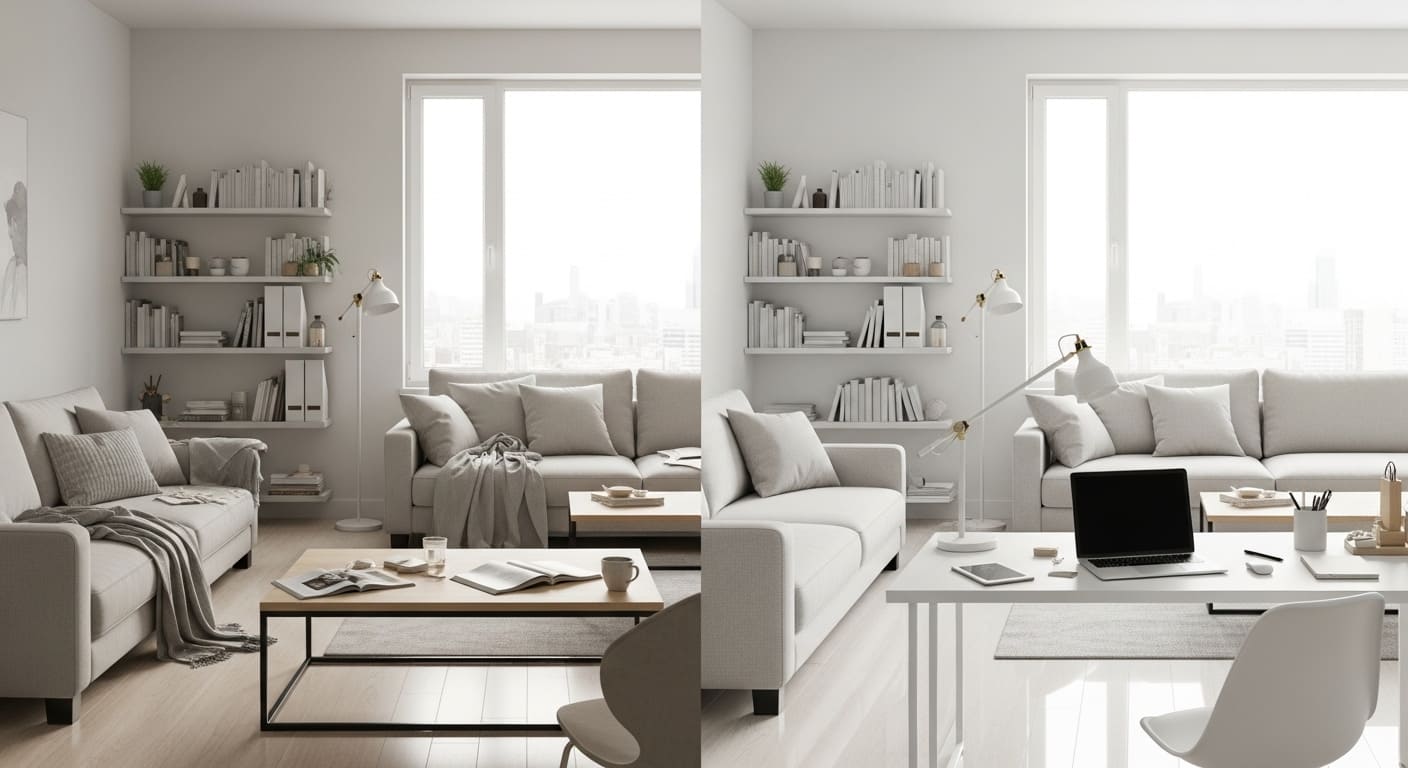
For decades, the open-concept floor plan was the gold standard for modern living, but the way we use our homes has changed significantly. People are now looking for more “defined” spaces that offer privacy and acoustic separation, particularly as the home has become a multi-functional hub for work, exercise, and relaxation.
Rather than one giant, echoing room, homeowners are opting for “broken-plan” living, where spaces are divided by glass partitions, double-sided fireplaces, or strategic furniture placement. This allows for a sense of togetherness without sacrificing the ability to find a quiet corner for a phone call or a book.
The Return of Dedicated Dining and Sunrooms
There is also a renewed appreciation for rooms with a single, dedicated purpose. The formal dining room is making a comeback as a place for intentional gathering and conversation, free from the distractions of the kitchen or the television. Similarly, sunrooms and “conservatory” spaces are being revitalized as areas meant for connecting with nature and enjoying the slow passage of time. These rooms serve as reminders that our homes should cater to our psychological needs, providing specialized environments for the different chapters of our daily lives.
A Commitment to Sustainable and Ethical Luxury
Perhaps the most important trend of all is the shift toward sustainability, which is no longer an afterthought but a foundational requirement for modern design. Homeowners are increasingly interested in the origins of their furniture, the chemicals used in their paints, and the longevity of the materials they choose.
This has led to a rise in “quiet luxury,” where the focus is on high-quality, sustainably sourced materials that are built to last a lifetime. Instead of purchasing seasonal items that will eventually end up in a landfill, the modern consumer is investing in solid wood furniture, organic linens, and handmade ceramics.
Biophilic Design and Wellness
Bringing the outdoors in remains a top priority, as the connection to nature is proven to reduce stress and improve well-being. This involves more than just adding a few potted plants; it means designing homes with large windows to maximize natural light, using non-toxic materials to improve indoor air quality, and creating seamless transitions between indoor and outdoor living spaces. By prioritizing the health of the planet and the health of its inhabitants, modern design is finally moving toward a more holistic and responsible future.