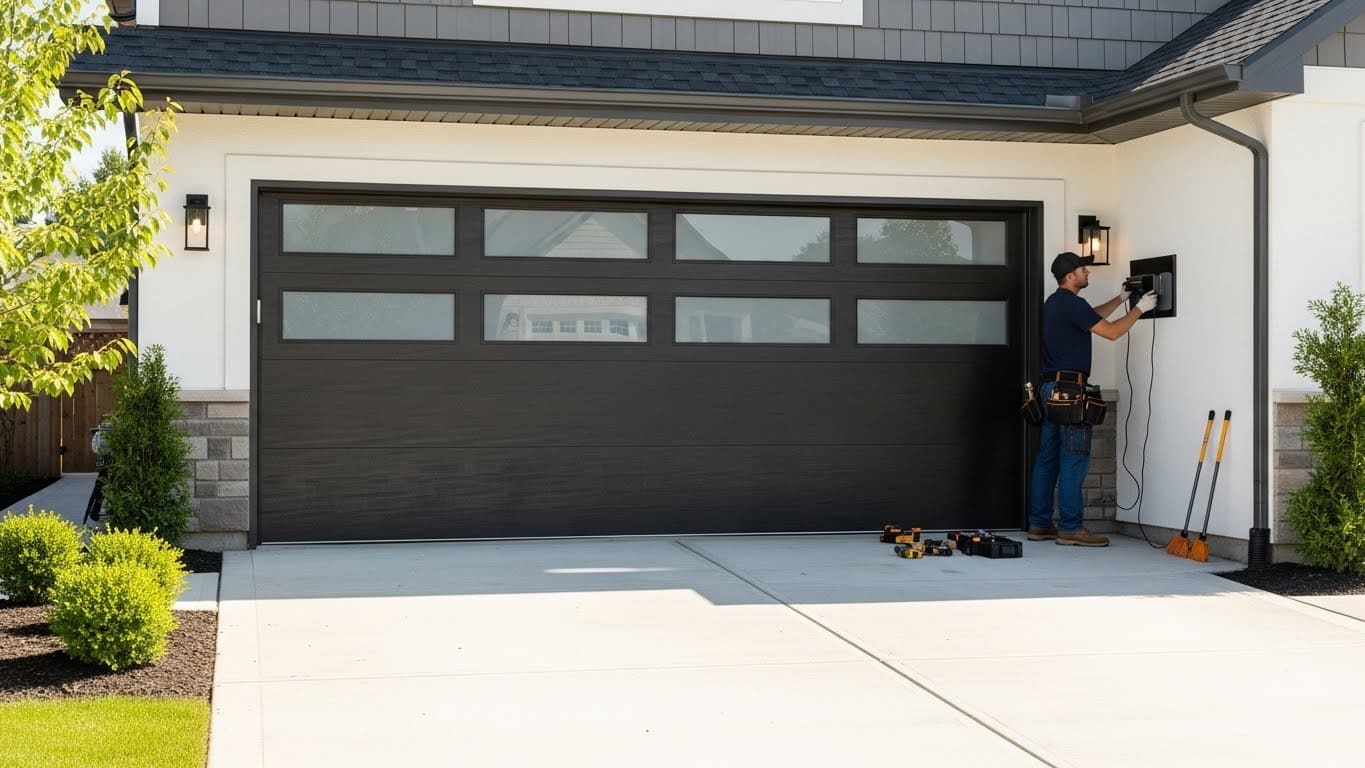
A well-installed garage door not only improves the appearance of your home, but also ensures safety and convenience. In 2025, homeowners are paying more attention to aesthetics, durability and smart technology integration when considering garage door installation. Whether you’re upgrading an old door or installing an entirely new system, understanding the process can save time, money and potential errors. This guide provides a step-by-step approach to achieving professional results, whether you’re hiring experts or planning a DIY project. Along with the main installation process, knowledge of garage door types and proper maintenance practices ensures long-term satisfaction.
Choosing the Right Garage Door
The first step in installing a garage door is to choose a door that matches the style of your home and meets functional requirements. Homeowners often consider garage door types such as sectional, roller or carriage doors. Each type offers unique advantages: hinged doors save space, roller doors are highly durable, and carriage-style doors add aesthetic appeal. The material – steel, wood or composite – also affects durability, maintenance requirements and costs. Smart technology features, including automatic openers and safety sensors, have become increasingly popular, increasing the convenience and safety of everyday use.
Preparing the Garage for Installation
Before you begin the installation of the garage door, it is important to properly prepare the garage space. This includes taking accurate measurements of doorways, ensuring the structural integrity of walls and frames, and clearing the area of obstructions. For larger doors, reinforced frames may be required to support the weight. Planning ahead also includes choosing the right tools, such as drills, levels and safety equipment. Adequate preparation minimizes errors during installation and ensures smooth operation of the door after setup. Homeowners who follow these steps often avoid costly garage door adjustments or repairs later.
Step-by-Step Installation Process
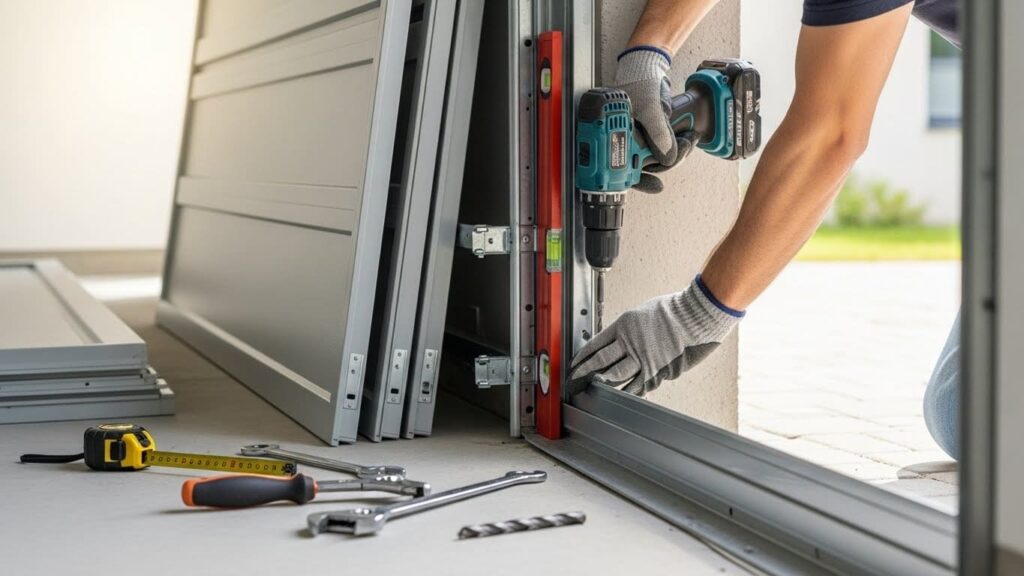
The garage door installation process usually begins with installing the tracks and adding rollers to the door panel. The door sections are mounted sequentially, which ensures correct alignment and balance. Springs, cables and tension mechanisms are installed carefully, as incorrect use can lead to damage or personal injury. After installation, the door opening system including motor, sensor and remote control is integrated. Finally, the doors are tested for smooth operation, perfect balance and safety. Following the detailed step-by-step process greatly reduces the risk of malfunction, helps maintain long-term performance, and reduces the need for garage door repairs in the future.
Professional vs DIY Installation
Choosing between DIY and professional garage door installation depends on experience, tools and confidence in handling heavy components. Do-it-yourself installation can save money in the beginning, but it also comes with risks if proper techniques are not followed, especially with spring tension and adjustment. Professional installers bring with them expertise, equipment and guarantees, which ensure that the door works efficiently and safely. Many homeowners choose a hybrid approach, doing the prep work themselves while hiring experts for the technical steps. Regardless of the approach, understanding the installation process improves communication with professionals and ensures that the project meets expectations.
Common Installation Challenges
Even experienced homeowners can face challenges when installing a garage door. Misaligned tracks, incorrect spring tension and uneven panels are frequent problems. Weather conditions, structural weaknesses or choosing the wrong type of garage door can also complicate the process. Addressing these challenges early prevents costly repairs and ensures a functional and aesthetically pleasing result. Regular checks and adjustments after installation can further extend the life of your garage door, providing a long-term solution that blends performance with style.
Energy Efficiency Considerations
When planning to install a garage door, energy efficiency becomes an important consideration for homeowners. Insulated doors help maintain temperature control in the garage, reduce energy costs and create a more comfortable environment. Materials such as steel with a foam core or insulated composite doors provide both durability and thermal efficiency. Choosing energy-efficient doors also supports sustainable home practices, making your investment both practical and environmentally friendly. Considering insulation during installation ensures that your garage door installation contributes to lower energy bills and improved home comfort.
Smart Technology Integration
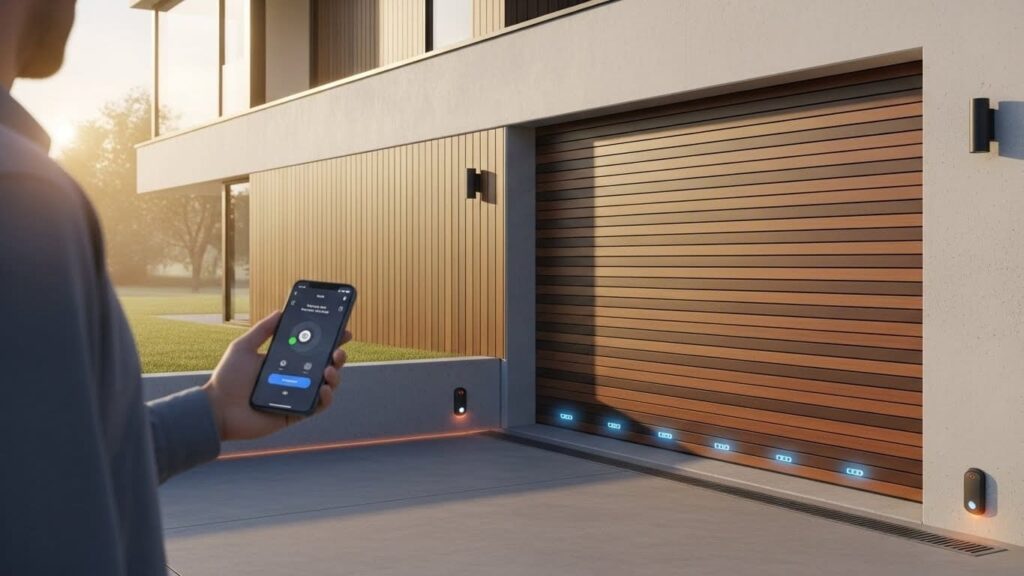
Modern garage door installation often includes the integration of smart technology to increase convenience and security. Features such as smartphone-controlled openers, automatic sensors and security cameras allow homeowners to remotely monitor and control their garage doors. This level of automation not only adds a layer of security, but also increases the overall value of your property. Homeowners who adopt these advanced systems often experience the results of superior home improvement tips, blending modern technology with everyday utility for maximum efficiency
Safety Precautions During Installation
Safety is essential during any garage door installation, especially when handling heavy doors, springs and cables. Improper installation can result in serious personal injury or property damage. Always use the correct equipment, wear protective equipment and follow the manufacturer’s instructions carefully. If you are unsure, hiring professional installers will ensure compliance with safety standards. Proper installation not only protects those working on the project, but also ensures reliable operation, reduces the need for garage door repairs in the future and extends the life of your investment.
Maintenance After Installation
Proper maintenance is the key to preserving your investment in your garage door installation. Regular lubrication of moving parts, periodic inspection of springs and cables, and timely cleaning of panels prevent wear and increase service life. Solving minor problems quickly can prevent major problems and the need for expensive garage door repairs. In addition, homeowners need to stay informed about modern automation features, firmware updates and security standards to maintain optimal performance. Following consistent maintenance routines increases reliability and contributes to overall home safety and functionality.
Tips to Maximizing Durability and Style
To maximize both the durability and aesthetic appeal of your garage door installation, consider the quality of materials, weather resistance, and compatibility with your home’s design. Adding insulation improves energy efficiency, while painting or staining options add convenience. Choosing doors that complement the architectural style improves the overall appearance of the home. Implementing these home improvement tips will ensure that your investment remains attractive and fully functional for years to come. Thoughtful planning during installation reduces repair potential, increases resale value and increases everyday convenience.
Conclusion
Ultimately, installing a garage door is an important home improvement project that combines aesthetics, functionality and security. Whether you choose professional service or a do it yourself approach, understanding the steps, choosing the right garage door type, and committing to regular maintenance are the keys to long-term satisfaction. Correct installation reduces the need for garage door repairs in the future, ensures smooth operation and contributes to the overall home value. By following these guidelines and incorporating important home improvement tips, homeowners can achieve a reliable, stylish and efficient garage door that improves both safety and curb appeal.