Creativity Meets Commerce in the World of Fashion Designers
The global fashion industry has evolved into a multi-billion dollar ecosystem where creativity alone is not enough to guarantee success. Fashion designers are not just artists who design beautiful garments; They are entrepreneurs, strategists and brand architects who understand the importance of balancing imagination with financial intelligence. Behind every glamorous runway show is a carefully structured business model designed to convert inspiration into revenue. The journey from concept to commercial success involves production planning, pricing strategies, marketing campaigns and distribution networks that must all be perfectly aligned.
In today’s competitive landscape, designers who want to create lasting brands must think beyond aesthetics. They must understand consumer psychology, analyze market trends and position their products strategically. Whether you’re launching an independent brand or managing a global luxury house, the ability to merge art with business defines long-term growth. This shift has transformed the industry, making entrepreneurship an essential skill for anyone serious about building a fashion empire.
Brand Identity and the Power of Positioning for Fashion Designers
A strong brand identity is the foundation of profitable labels. Fashion designers who have achieved million-dollar status understand the importance of creating a distinctive voice, visual language and emotional connection with their audience. A well-defined fashion branding strategy ensures consistency across collections, social media, campaigns and retail experiences. Customers don’t just buy clothes; They embrace the stories, values and lifestyles that resonate with them.
Positioning in the market also determines price strength and perceived value. Designers working in the luxury fashion market focus on exclusivity, craftsmanship and heritage, while emerging brands may aim for affordability and accessibility. Clear differentiation helps avoid brand confusion and builds loyalty over time. When identity and status are aligned, development becomes scalable and sustainable.
Revenue Streams That Drive Growth for Fashion Designers
The financial success of fashion designers depends on various income streams. While ready-to-wear collections still take center stage, many brands are expanding into accessories, fragrances, shoes and collaborations to increase profitability. Licensing agreements allow designers to monetize their names without directly managing production, creating additional revenue channels that drive expansion.
E-commerce has further revolutionized monetization. Direct-to-consumer sales reduce reliance on third-party retailers and increase profit margins. Digital storefronts, combined with targeted advertising, enable brands to reach global audiences instantly. By diversifying their revenue streams and taking advantage of technology, designers are transforming creative businesses into scalable businesses capable of crossing the million-dollar threshold.
Cost Structure and Financial Planning for Fashion Designers
Behind the glamor lies a complex web of expenses that must be carefully managed. Fashion designers face costs related to fabric procurement, production, sampling, logistics, marketing and staffing. Without a solid financial plan, even the most creative label can struggle to survive. Budget forecasting and cash flow management ensure stability during seasonal fluctuations, which are common in fashion cycles.
Investing wisely in quality materials and skilled craftsmen can improve brand perception, especially in the luxury fashion market. However, overspending without a clear sales strategy can lead to unsold inventory and financial losses. Smart entrepreneurs analyze margins, adjust pricing models and maintain disciplined spending habits to maintain long-term profitability.
Marketing and Digital Influence for Fashion Designers
Marketing has become one of the most important pillars of success for fashion designers. Social media platforms, influencer partnerships and digital campaigns now shape consumer perception more than traditional advertising. A compelling fashion branding strategy integrates storytelling with visuals that capture attention and inspire engagement.
Content marketing, behind-the-scenes videos and live-streamed runway events create a closer relationship between the brand and the audience. Designers who embrace digital transformation gain direct access to customer feedback and insights into purchasing behavior. This data-driven approach improves decision-making and strengthens customer relationships, ultimately leading to higher conversion rates and brand loyalty.
Scaling Operations and Production for Fashion Designers
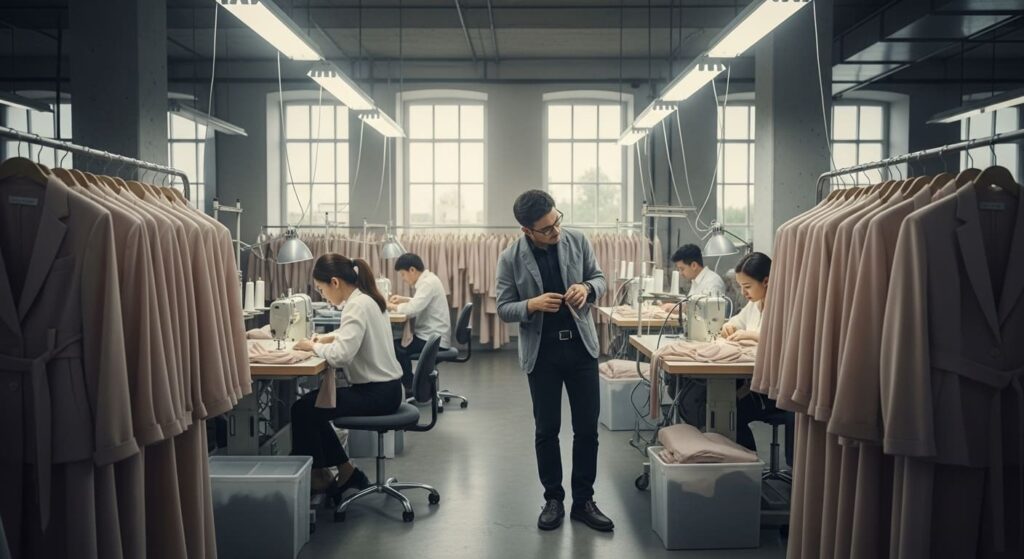
As demand increases, operational efficiency becomes critical. Fashion designers aiming to transition from boutique brands to million-dollar brands must refine supply chains and production systems. Partnerships with trusted manufacturers ensure quality consistency and on-time delivery, both of which inspire customer confidence.
Scaling also requires strategic planning in distribution. Expanding into international markets, opening flagship stores or partnering with global retailers can accelerate growth. However, the extension should be consistent with the brand identity to avoid dilution. Careful coordination between creativity and operations allows designers to scale without compromising quality.
Sustainability as a Competitive Advantage for Fashion Designers
Modern consumers are increasingly aware of environmental and ethical issues, prompting fashion designers to adopt responsible practices. A strong sustainable business model for fashion not only reduces the environmental impact, but also increases the credibility of the brand. Ethical sourcing, transparent supply chains and environmentally friendly materials appeal to socially conscious buyers.
Sustainability is no longer a distinct concept; It has become a powerful differentiator. Brands that incorporate circular production models and waste reduction strategies often achieve long-term loyalty. By integrating sustainability into their core business, designers are positioning themselves for lasting relevance in a rapidly evolving market.
The Role of Innovation and Technology for Fashion Designers
The technology is reshaping how fashion designers envision, produce and sell collections. From 3D design software to AI-powered trend forecasting, digital tools streamline creative processes and reduce development time. Virtual showrooms and augmented reality experiences allow customers to engage with products in an immersive way.
Innovation also includes logistics and analysis. Advanced inventory management systems reduce overproduction, while data insights refine marketing strategies. Embracing innovation ensures agility, allowing brands to quickly adapt to changing trends and consumer expectations in a fast-paced industry.
Leadership and Team Building Among Fashion Designers
Behind every thriving brand is a dedicated team. Fashion designers who have built multi-million dollar brands understand the importance of leadership, delegation and collaboration. Designers may lead creative direction, but marketing specialists, financial advisors, production managers and stylists contribute to operational success.
Strong leadership promotes innovation and accountability. Encouraging open communication within teams increases productivity and ensures alignment with the brand vision. By developing talent and maintaining a clear organizational structure, designers create an environment where creativity and business strategy coexist harmoniously.
From Runway Dreams to Million-Dollar Reality for Fashion Designers

The journey from ambitious creative to successful entrepreneur requires flexibility and adaptability. Fashion designers who achieve financial milestones do so by continuously improving their approach, learning from market feedback and staying ahead of trends. Success rarely happens overnight; This is the result of sustained efforts and strategic implementation.
The ultimate challenge remains to balance artistic integrity with commercial feasibility. Designers must innovate while respecting the brand’s DNA, expand while maintaining uniqueness and move forward without compromising quality. Those who master this balance turn runway dreams into sustainable, profitable realities.
Financial Overview of a Growing Fashion Brand
To better understand the business structure behind a successful label, the following table outlines simplified revenue and expense categories typically associated with a scaling fashion brand:
| Category | Description | Impact on Profitability |
| Product Sales | Revenue from clothing and accessories | Primary income source |
| Licensing & Collaborations | Partnerships and brand extensions | Expands brand reach |
| Marketing Expenses | Digital ads, influencers, campaigns | Drives customer growth |
| Production Costs | Materials, labor, manufacturing | Affects pricing margins |
| E-commerce Operations | Website, logistics, fulfillment | Increases direct sales |
| Sustainability Investments | Eco-materials, ethical sourcing | Builds long-term loyalty |
This simplified breakdown highlights how revenue generation and cost management interact to determine overall profitability. Understanding these financial components is essential for scaling operations effectively.
The Future Outlook of the Fashion Business
Looking ahead, the fashion industry will continue to reward those who combine innovation with strategic thinking. New technologies, changing consumer values and global connectivity are reshaping traditional models. Brands that embrace digital transformation and sustainability will dominate the coming decade.
Entrepreneurs entering the industry must understand that success requires more than talent. Market research, financial literacy and adaptability are equally important. By integrating creativity with structured planning, designers can unlock sustainable growth and global recognition.
Conclusion
The evolution of the fashion industry proves that artistry alone cannot sustain long-term success. Transforming ideas into million dollar brands requires business acumen, operational prowess and visionary leadership. A strong fashion brand strategy, strategic entry into the luxury fashion market and commitment to a sustainable fashion business model together shape the trajectory of a brand.
Ultimately, the business side of fashion is not separate from the creativity; It reinforces it. When designers understand how to monetize their vision while maintaining authenticity, they create brands that transcend trends and achieve lasting financial success.