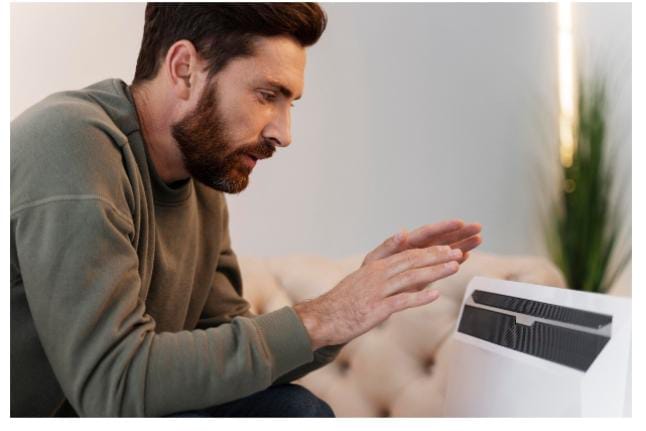
If your furnace is blowing cold air, it can be confusing and stressful, especially when you were expecting warm heat. Many homeowners worry that something is broken or that a costly repair is coming. The good news is that this issue is common, and in many cases, it has a simple explanation.
This guide explains why a furnace blows cold air, what is normal, what is not, and when you should take action. If you live in Colorado and recently had furnace installation Lone Tree CO, homeowners often ask these same questions during their first winter season.
This article is for learning only. You do not need to buy anything or call anyone yet. The goal is to help you understand what is happening.
Is It Normal for a Furnace to Blow Cold Air?
Yes, sometimes it is completely normal.
A furnace does not send hot air the moment it turns on. First, it needs time to warm up.
Here is what usually happens:
- The thermostat signals the furnace to turn on
- The blower fan starts
- The furnace heats up
- Warm air begins to flow
During steps 2 and 3, you may feel cool or room-temperature air.
This is normal if:
- It only lasts 30 to 90 seconds
- It happens at the start of a heating cycle
- Warm air follows shortly after
If cold air keeps blowing for several minutes or never turns warm, that is not normal.
Common Reasons Your Furnace Is Blowing Cold Air
Below are the most common causes, explained simply.
Reason 1: The Thermostat Fan Is Set to “ON”
This is one of the most common and easiest fixes.
What happens:
- The fan runs all the time
- Air blows even when heat is not being made
- The air feels cold or cool
What to check:
- Look at your thermostat
- Find the fan setting
- If it says ON, switch it to AUTO
Why this matters:
When set to AUTO, the fan only runs when the furnace is heating. This prevents cold air from blowing between cycles.
Reason 2: The Furnace Is Overheating and Shutting Down
This may sound strange, but overheating can cause cold air.
What happens:
- The furnace gets too hot
- A safety switch turns off the burners
- The fan keeps running to cool it down
- Cold air blows from vents
Signs this may be happening:
- The furnace turns on and off often
- Warm air comes briefly, then turns cold
- You hear the fan but no heat
Common cause:
A dirty air filter.
According to a Forbes Home article, clogged filters are one of the top reasons furnaces overheat and shut down early.
What you can do:
- Check your air filter
- Replace it if it looks dirty
- Filters should be changed every 1–3 months
Reason 3: The Pilot Light Is Out (Older Furnaces)
If you have an older gas furnace, it may use a pilot light.
If the pilot light goes out:
- The furnace cannot heat air
- The fan may still run
- Cold air blows from vents
Possible reasons the pilot went out:
- A strong draft
- Dirt buildup
- A worn thermocouple
What to know:
Some pilot lights can be relit safely. Others should not be touched.
If you smell gas, do not try to relight it.
Reason 4: The Flame Sensor Is Dirty
Newer furnaces do not use pilot lights. They use flame sensors.
What the flame sensor does:
- Confirms the burner is lit
- Allows heat to continue
If it gets dirty:
- The furnace starts
- The flame shuts off quickly
- The fan keeps blowing
- Cold air comes out
This issue is common:
According to HomeAdvisor, flame sensor problems are among the most frequent furnace service calls.
This is not usually dangerous, but it does stop heat from working correctly.
Reason 5: The Furnace Is Too Big for Your Home
This is called short cycling.
What short cycling means:
- The furnace heats too fast
- It shuts off early
- The fan continues running
- Air feels cool
Why this happens:
- The furnace size does not match the home
- Often seen after poor installation
Signs of short cycling:
- Heat turns on and off quickly
- Uneven room temperatures
- Higher energy bills
This problem is more common in newer homes with upgraded systems.
Reason 6: Ductwork Problems
Your furnace may be working fine, but the air is cooling before it reaches you.
Common duct issues:
- Leaks in the duct system
- Poor insulation
- Long duct runs through cold spaces
What you may notice:
- Cold air in some rooms
- Warm air near the furnace only
- Uneven heating throughout the house
Duct issues often go unnoticed because they are hidden.
Reason 7: Low Gas Supply or Gas Valve Issues
A furnace needs a steady gas supply to make heat.
If gas flow is limited:
- Burners may not stay lit
- Heat may stop mid-cycle
- The fan still runs
Possible causes:
- Gas valve problems
- Utility interruptions
- Internal furnace faults
If you suspect a gas issue, do not try to fix it yourself.
How Long Should a Furnace Blow Cold Air?
This is a very common question.
Normal:
- 30–90 seconds at startup
Not normal:
- More than 2–3 minutes
- Cold air for the full cycle
- Cold air with no heat afterward
If cold air continues beyond this window, something is likely wrong.
Can Cold Air Damage My Furnace?
Cold air itself does not usually cause damage.
However, the problem causing it might.
Long-term risks include:
- Worn parts
- Higher repair costs
- Shortened furnace lifespan
- Higher energy bills
Neglected furnace issues can reduce system life by up to 50% over time.
Is It Safe to Run a Furnace That Blows Cold Air?
It depends on the cause.
Usually safe if:
- It only happens briefly
- The furnace eventually heats
Not safe if:
- The furnace overheats
- The system shuts down often
- You smell gas
- Carbon monoxide alarms go off
If safety alarms trigger, turn the system off immediately.
What You Can Check Yourself (Before Calling Anyone)
These steps are safe for most homeowners.
Step 1: Check the thermostat settings
- Heat mode should be ON
- Fan should be set to AUTO
Step 2: Replace the air filter
- Use the correct size
- Do not reuse old filters
Step 3: Check vents and returns
- Make sure they are open
- Do not block them with furniture
Step 4: Watch one full heating cycle
- Time how long cold air lasts
- Note any strange sounds
These steps help you understand what is happening, even if you do nothing else.
When Is Cold Air a Sign of a Bigger Problem?
Cold air is a warning sign if it comes with:
- Loud noises
- Burning smells
- Frequent shutdowns
- Sudden bill increases
- No heat at all
These signs mean the system is struggling.
Why This Happens More Often in Winter
Cold weather puts more stress on heating systems.
In winter:
- Furnaces run longer
- Filters clog faster
- Parts wear out quicker
Heating systems account for nearly 30% of a home’s energy use, making winter issues more noticeable.
Key Takeaways
- A furnace blowing cold air is often normal at startup
- Thermostat and filter issues are the most common causes
- Short cycling, dirty sensors, and airflow problems can also be to blame
- Cold air that lasts too long is not normal
- Understanding the cause helps you avoid panic and bad decisions
Final Thoughts
If your furnace suddenly starts blowing cold air, it does not always mean something is broken. In many cases, it is part of how the system works or a small issue like a filter or setting.
Learning the “why” puts you in control. It helps you ask better questions and avoid unnecessary stress.
This guide is meant to inform, not sell. When you understand what your furnace is doing, you are better prepared to decide what, if anything, needs to happen next.