The ground does not stay the same all year. One season brings heat and growth. Another brings cold and stillness. Rain can soften the soil, while frost can make it hard. Each change asks for a new way of care.
Managing land through these shifts is not always easy. It takes attention, timing, and the right tools. If you want your land to stay strong in every season, keep reading and learn how to handle these changes with confidence.
Understanding the Nature of Each Season
Every season has its own behavior. Spring brings new growth but also wet soil. Summer can dry the land and stress plants. Fall prepares the ground for rest, while winter can freeze and slow everything down.
Knowing what each season does helps you plan ahead. You can prepare your land before problems begin. This makes your work easier and more effective.
Preparing Soil for Seasonal Shifts
Soil is the base of everything. When it is healthy, plants grow better and land stays stable.
Before a new season starts, check the soil. Add nutrients if needed. Turn the soil to keep it loose and able to hold water.
Good soil can handle both rain and heat. It drains well but also keeps enough moisture for plants to survive.
Managing Water Through Changing Weather
Water needs change with each season. Too much water can flood the land. Too little can dry it out.
In rainy seasons, proper drainage is key. Water should move away from areas that can flood. In dry seasons, storing water becomes important.
Simple systems like channels or tanks can help manage water flow. These steps protect both plants and soil.
Tools That Support Seasonal Work
The right tools make a big difference in terrain management. Each season may require different equipment.
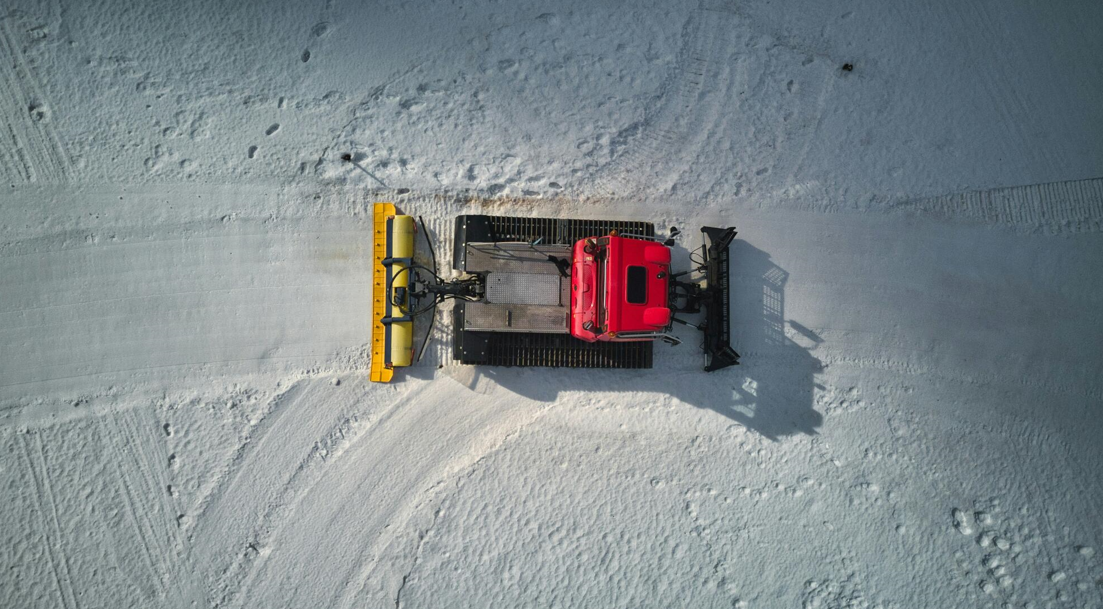
For example, clearing debris in fall or handling snow in winter needs specific tools. Some landowners even choose to build your own plow to match their needs and terrain.
Preventing Damage Before It Starts
Seasonal changes can bring risks. Heavy rain can cause erosion. Cold weather can crack surfaces. Heat can weaken the soil.
Prevention is better than repair. Planting ground cover can protect soil from erosion. Adding mulch can help retain moisture.
Simple steps taken early can reduce damage and keep your land in good shape.
Adjusting to Unexpected Weather
Weather does not always follow a plan. Sudden storms or long dry periods can happen.
Being flexible is important. Watch weather patterns and adjust your actions when needed. Quick decisions can prevent small problems from growing.
Prepared landowners are able to respond fast and protect their terrain.
The Role of Regular Maintenance
Regular care keeps your land stable through all seasons. Small tasks done often can prevent large problems later.
Clearing debris, checking drainage, and maintaining tools all play a role. These actions keep your land ready for change.
Working with Nature, Not Against It
Trying to control nature can be difficult. It is better to work with it.
Observe how water flows, how plants grow, and how the soil reacts. Use this knowledge to guide your actions.
When you follow natural patterns, your efforts become more effective and less stressful.
Strength in Every Season Starts with You
Advanced terrain management is about understanding, preparation, and care. When you take the time to learn your land and respond to its needs, you create a space that can handle any season.
Stay aware, stay prepared, and keep working with the natural flow of the land. With the right approach, your terrain will remain strong, balanced, and ready for whatever comes next.