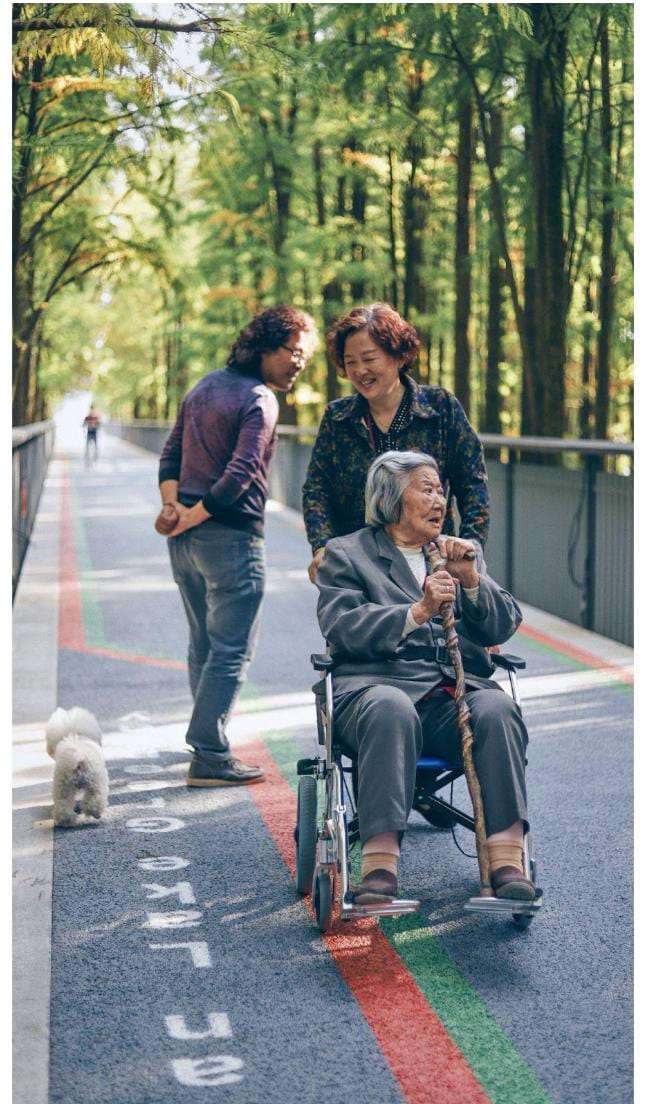
As people grow older, maintaining balance and mobility can become more challenging. With changes in vision, muscle strength, and coordination, routine activities, such as getting out of bed, walking around the house, or climbing stairs, can become more difficult. Because of these physical changes, seniors are more vulnerable to slips, trips, and falls that may result in serious injuries or prolonged recovery periods.
Falls are a crucial health concern for older adults worldwide. In fact, as per the CDC, they are considered the major cause of injury among adults aged 65 and older. In the United States alone, more than one in four older adults reports falling annually, and many of these incidents require medical treatment or hospitalization.
For all such reasons, creating a safe living environment is one of the most effective ways to reduce fall risk. In this post, we’ll look at how some adjustments can make a significant difference in preventing accidents. By making proactive changes to improve home safety, we can ensure our seniors maintain their independence, move confidently around the home, and continue enjoying a comfortable and active lifestyle as they age.
- Identify and Remove Common Tripping Hazards
One of the most effective ways to reduce fall risks for older adults is to carefully examine the home for potential tripping hazards. Many falls happen because of everyday household items that seem harmless but can easily disrupt a senior’s balance.
Here are some changes you can make to improve safety in your home:
- Start by removing or securing common obstacles such as loose rugs, electrical cords, and unnecessary clutter in walking areas.
- Rugs that slide or bunch up underfoot are a frequent cause of trips, while cords stretched across the floor can easily catch someone’s foot.
- Keeping pathways tidy and ensuring cables are tucked along walls or secured properly can greatly reduce these risks.
- Flooring conditions also play an important role in fall prevention. Damaged floorboards, lifted carpet edges, or uneven surfaces can create unexpected obstacles that increase the risk of falling.
Equally important is maintaining clear hallways and frequently used spaces. Areas such as the path between the bedroom and bathroom or the living room and kitchen should remain free of objects that could block movement. When seniors have open, unobstructed pathways, they can navigate their homes more comfortably and safely.
In Nevada and nearby communities like Henderson and Las Vegas, many older adults prefer to remain in their own homes as they age. For families exploring dependable senior care in Henderson, NV, it is important to consider local in-home services, as these help seniors maintain independence by assisting them with daily tasks, mobility, and household safety.
- Improve Lighting Throughout the Home
Adequate lighting plays a key role in fall prevention, especially for older adults whose eyesight may decline with age. As vision changes, seniors often need brighter and more evenly distributed light to see their surroundings clearly. Dim spaces or shadowy corners can make it difficult to notice objects on the floor, steps, or slight changes in surface levels, increasing the likelihood of accidents.
To improve safety, consider installing brighter bulbs in areas where visibility is essential, such as hallways, staircases, and entryways. These spaces are often used multiple times throughout the day and should be illuminated clearly to prevent missteps. Nightlights or motion-sensor lights can also be helpful additions, particularly for nighttime trips to the bathroom or kitchen. Motion-activated lights can be especially helpful, automatically turning on when movement is detected, allowing seniors to navigate safely without searching for a switch in the dark.
In communities such as Boulder City and nearby areas in Nevada, many families seek supportive care options that help their older adults remain safe at home. If your loved ones suffer from conditions like dementia, it’s essential that you take specialized services, such as those that offer dementia home care in Boulder City, NV, as they often focus on helping seniors with such challenges, allowing them to maintain daily routines while living in familiar surroundings.
- Install Supportive Safety Features
Adding supportive safety features throughout the home can help strengthen stability and reduce the risk of falls for older adults. As mobility and balance change with age, having reliable points of support becomes essential. Hence, simple installations throughout your house can make everyday movements, such as climbing stairs or standing up from a seated position, safer and more manageable.
- Install secure handrails along both sides of staircases so your seniors have reliable support when going up or down steps, which helps improve balance and reduces the risk of missteps.
- Install grab bars in key spots, such as hallways or next to favorite chairs, to provide secure handholds when standing, sitting, or transitioning between rooms.
- Use non‑slip stair treads on stair surfaces to increase traction and help prevent slips, especially on smooth or slick stairs.
- Ensure these features are well‑secured and easy to grasp so seniors can confidently use them when moving around the home.
- Make Bathrooms Safer
Bathrooms are among the most high‑risk areas in the home for older adults, largely because wet floors and smooth tiles dramatically increase the risk of slipping. According to safety data, a large portion of senior falls occur in bathrooms due to slippery surfaces and a lack of stable support while bathing or using the toilet. Here are some measures that you can take to help your loved ones from falling in the bathroom:
- Install grab bars near the toilet and inside showers or tubs. Securely mounted grab bars provide seniors with reliable handholds when sitting down, standing up, and entering and exiting bathing areas, greatly reducing the risk of slips on wet floors.
- Use non‑slip mats both inside and just outside the shower or tub. Textured rubber mats or secure adhesive strips increase traction underfoot, helping prevent dangerous slips when surfaces become wet.
- Consider a shower chair or bench. A sturdy shower seat allows a senior to bathe while seated, reducing fatigue and enhancing stability, especially helpful for those with balance challenges or limited strength.
- Choose Proper Footwear
Selecting the right shoes for indoor use is a simple yet essential part of keeping older adults steady on their feet. Footwear designed with seniors in mind is not just about comfort; it also helps maintain balance and lower the risk of slipping on smooth surfaces like tile, wood, or linoleum. Proper shoes offer better traction and support, helping seniors stay stable and mobile inside the home.
Opt for shoes with non-slip soles and good structural support. Look for rubber outsoles with defined tread patterns that offer better grip on indoor flooring, making each step more secure and reducing the chance of slipping. Additionally, avoid unstable or loose footwear, such as floppy slippers, or walking in socks. These options may feel comfortable but often lack traction and heel support, which can contribute to falls when moving around the house.
Furthermore, replace worn‑out shoes promptly. As shoes age, soles can lose tread and cushioning, which diminishes their ability to prevent slips and maintain balance. Lastly, regularly check the condition of footwear to ensure safety features remain effective.
The Bottom Line
In old age, preventing falls not only reduces the risk of injury but also improves quality of life by helping older adults stay confident, active, and engaged in the routines they enjoy. While falls are a major cause of injury for seniors, with thoughtful planning and consistent safety measures such as home modifications, lighting improvements, and lifestyle adjustments, most incidents can be prevented.
By combining environmental changes with ongoing awareness and support, families and caregivers create a living space that promotes independence and peace of mind.