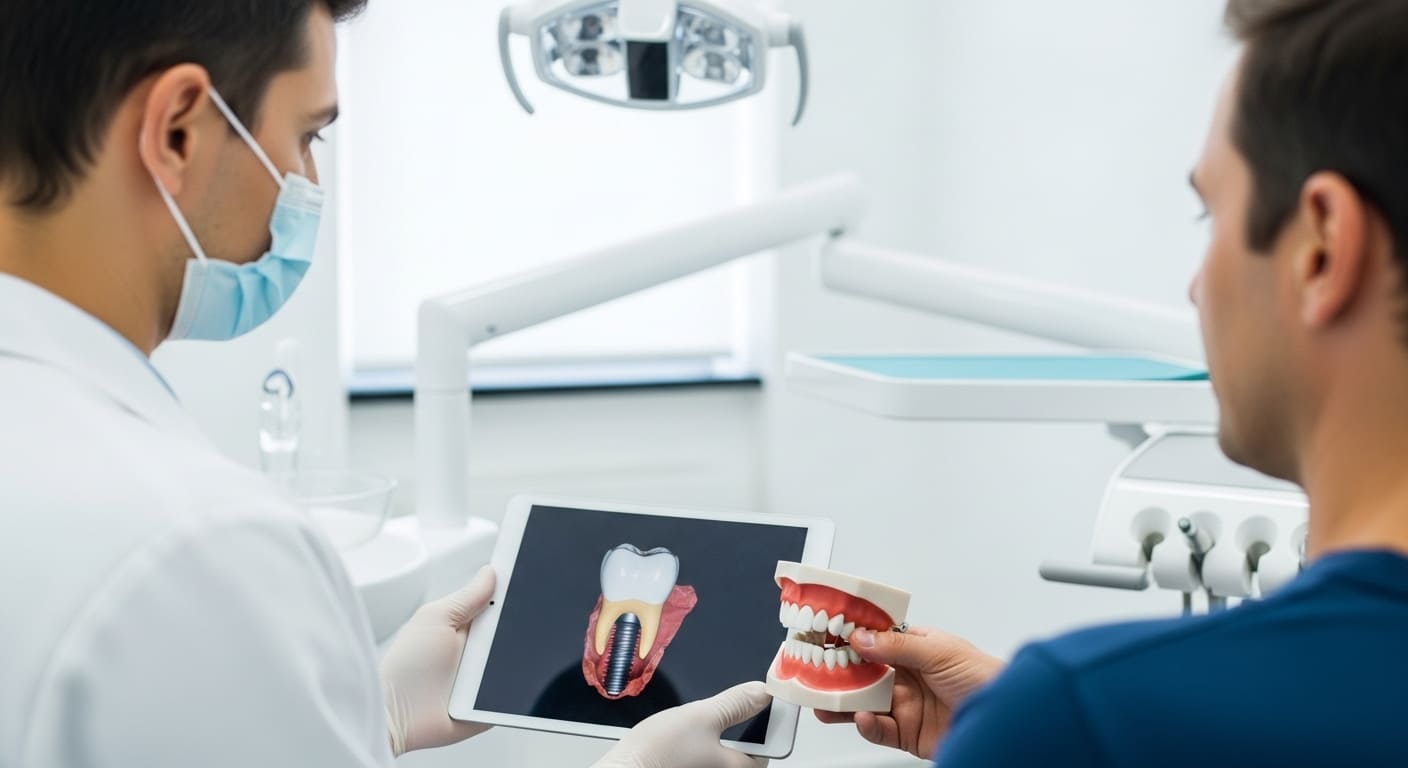
Losing a tooth changes more than your appearance. It can affect the way you chew, the way you speak, and even the way you feel when you laugh without thinking. For many people, the real goal is not just filling a gap but finding a permanent tooth replacement that looks natural, feels stable, and lets everyday life feel normal again. Modern implant treatment is built around that idea, giving patients a replacement that is anchored below the gumline rather than simply resting on top of it.
Why Dental Implants Feel More Like Real Teeth
What makes this option stand out is that it restores structure, not just surface appearance.
They Replace More Than What Shows
A traditional replacement can restore the visible part of a smile, but an implant goes deeper. It works like an artificial tooth root, creating a stable base for the final restoration that your dentist places on top. That matters because a smile does not just need to look complete. It needs support. When the foundation is solid, the finished tooth can feel more secure during meals, conversations, and all the small daily moments most people stop noticing once their smile feels normal again.
They Stay Put and Fit Into Daily Life
One of the biggest reasons patients lean toward implants is simple: they are fixed in place. They are not designed to be removed at night, and they do not rely on neighboring healthy teeth being altered just to hold everything together. That can make daily care feel more straightforward and can help preserve surrounding teeth instead of asking them to do extra work. In plain terms, implants tend to solve the missing-tooth problem without creating a brand-new problem beside it.
They Help Protect Your Facial Shape
There is also a long-term structural benefit that people often overlook at first. When a tooth is missing, the jaw no longer receives the same stimulation in that area, and bone loss can follow. Over time, that change can influence facial shape. Implants are unique because they stimulate the jaw in a way other common tooth replacement options do not, which can help preserve the underlying support system that keeps your lower face looking fuller and stronger.
The Planning Stage Matters More Than People Realize
Great outcomes usually start long before treatment day.
Candidacy Starts With a Closer Look
Not everyone starts in the same place, which is why the consultation is such a key part of the process. A surgeon typically reviews medical history, studies imaging, and evaluates the teeth, gums, and jaw before recommending a path forward. Some patients are ready for implant placement without additional treatment, while others may need a preparatory step first. The point is not to force everyone into one template. The point is to build a plan around the actual condition of the mouth and the goals of the patient sitting in the chair.
Precision Technology Can Change the Experience
One detail that often gives patients more confidence is the use of guided technology during planning and placement. The source page highlights a dynamic 3D navigation system that helps the surgeon track position, angle, and depth with a live view of the anatomy. That kind of precision matters because it can support more consistent placement, shorter procedures for some patients, and a smoother overall experience. Patients may not care about the technical label as much as the practical result: a treatment process that feels more controlled and carefully mapped out from the start.
Understanding the Step-by-Step Process
The implant journey usually happens in phases, and knowing those phases ahead of time can make the whole thing feel far less intimidating.
Placement Day Is Only Part of the Story
Treatment begins with pre-planning. According to the source page, the surgical team maps the mouth carefully and may use a 3D-printed guide along with navigational technology to improve accuracy during placement. The implant is then inserted into the jawbone, where it begins the process of integrating with the surrounding bone. Depending on the case, a temporary tooth may be provided during healing. That means the first appointment is important, but it is really one chapter in a larger process built around stability and long-term success.
Healing Is Where the Foundation Gets Stronger
After placement, the body takes over the heavy lifting. Over the next few months, the implant fuses with the bone. That healing phase is what turns the implant from a placed object into a functional part of the smile’s support system. It is not the flashy part of treatment, but it is the reason implants can feel so secure once everything is finished. People often focus on the final look, but the deeper win is how strong the result feels after the biology has done its work.
The Final Restoration Brings Everything Together
Once healing is complete, an abutment is attached and the final restoration is placed by the restoring dentist. This is the stage where function and aesthetics come together. The visible tooth is designed to blend with the surrounding smile, so the result does not feel obvious or artificial. Ideally, it just feels like your mouth makes sense again. That is often the emotional turning point for patients: not the moment they learn about implants, but the moment they stop thinking about the missing tooth at all.
When All-On-4 Can Be the Smarter Full-Arch Move
Single-tooth treatment is not the only way implants can help.
For people missing many teeth, or facing the loss of most or all teeth in one arch, All-on-4 dental implants can offer a more efficient path. The source material describes this approach as a way to replace an entire arch using just a few strategically placed implants, with the added advantage that many patients can leave with a new set of temporary teeth right away. If someone has been reading the temecula dental implants and oral surgery website while comparing options, this is the kind of treatment concept that usually grabs attention because it combines stability, aesthetics, and full-arch restoration in a way that feels more life-changing than patchwork dentistry.
What makes this option especially appealing is the blend of speed and function. The source page notes that patients may receive a full new set of teeth in a very short timeframe, while the implants heal and prepare for the final prosthesis later on. It also describes the final restoration as something designed to restore bite strength, support normal eating, and look natural. For the right patient, that can mean moving from years of frustration to a much more stable routine with fewer compromises.
Recovery Is Often More Manageable Than People Expect
Most patients feel better about treatment once they understand that recovery is usually straightforward and closely monitored.
The First Few Days Usually Feel Predictable
The source material explains that swelling for a few days is normal after implant placement, and that discomfort is often manageable with common over-the-counter medication. That does not mean recovery is identical for everyone, but it does mean the experience is generally familiar and expected rather than chaotic. Many people imagine something far more dramatic than what they actually go through. Once they know what is normal, the process tends to feel less overwhelming.
Follow-Up Care Keeps The Process on Track
Healing is not a set-it-and-forget-it situation. Follow-up visits matter because they allow the surgical team to confirm that everything is progressing the way it should. Those check-ins can give patients reassurance and help catch small concerns before they become frustrating setbacks. Good implant care is not only about what happens in surgery. It is also about the attention paid afterward, when healing is still actively shaping the final outcome.
The best thing about implant treatment is that it is not only cosmetic. It can restore confidence, comfort, and the everyday ease that people lose when chewing feels awkward or smiling feels self-conscious. The source page presents implants as a long-term solution built around function, aesthetics, and careful surgical planning, and that combination is exactly why so many patients see them as more than a dental procedure. They see them as a reset. When the replacement feels stable, looks natural, and supports the health of the jaw, the result does not just improve a smile. It gives people a stronger sense of normal again.