The concept of the residential landscape is undergoing a significant transformation as homeowners and architects look for creative ways to address the growing need for flexible, affordable living spaces. Accessory dwelling units, often tucked away in the quiet corners of existing properties, are no longer just simple outbuildings or storage sheds; they have evolved into sophisticated architectural statements that maximize every square inch of available land. These secondary homes are increasingly popular in high-density areas where traditional housing costs have reached new heights, providing a vital solution for families looking to house aging relatives or generate supplemental income. As these structures become more common, the focus has shifted toward high-quality design, ensuring that even a tiny footprint can offer a luxury experience. Planning such a project requires careful coordination with professionals who understand the complexities of secondary structures, and according to Remodel Works Bath & Kitchen Design of San Diego, who specialize in these types of custom builds, the integration of high-end finishes and smart layouts is essential for long-term value. This shift in perspective is helping to reshape how we think about urban density and the potential of our own backyards.
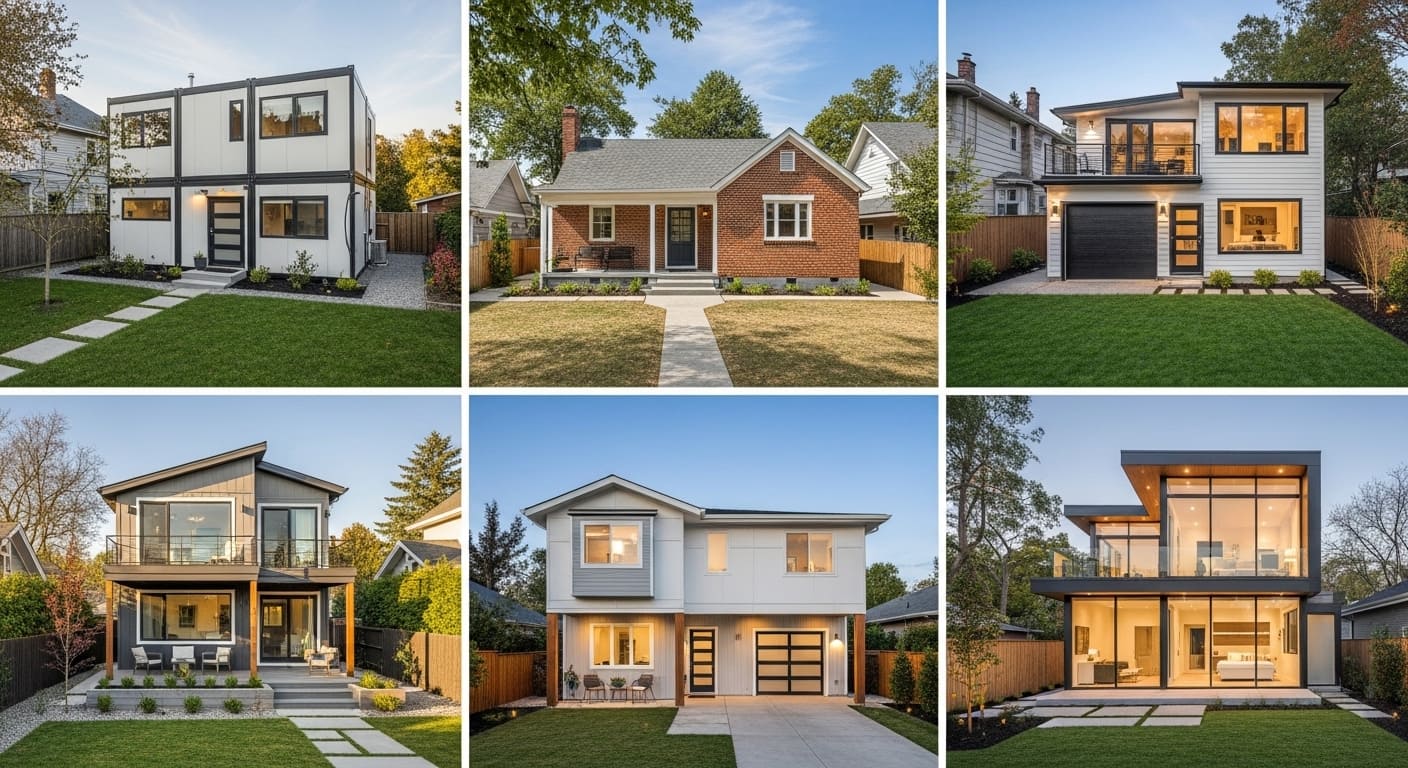
The architectural community is proving that living small does not have to mean sacrificing style or comfort. By focusing on energy-efficient building envelopes, advanced climate control systems, and clever storage solutions, these five projects demonstrate that a secondary residence can be just as functional and beautiful as a primary home. These units often act as a laboratory for sustainable practices, utilizing innovative materials and construction methods that reduce environmental impact while speeding up the building process. The result is a diverse collection of dwellings that cater to different lifestyles, from minimalist modular units to custom-built masonry homes.
When designing a small space, every aesthetic choice carries more weight because the inhabitant is in constant proximity to every detail. Interior designers often suggest that light and texture are the most important elements to consider when trying to make a compact room feel expansive and inviting. Utilizing reflective surfaces, strategically placed mirrors, and cohesive color palettes can dramatically alter the perception of a room’s dimensions. For those looking to refine these intimate environments, resources like http://glamour-decorating.com/ offer inspiration for balancing functionality with high-end decor in limited square footage. By focusing on the harmony between the interior and the surrounding landscape, these small homes achieve a sense of tranquility that belies their modest size.
Maximizing Vertical Space in Compact Environments
Designing a home on a restricted footprint requires a vertical mindset that utilizes the air rights of a property to create a multi-layered living experience.
One standout project showcases how a structure can serve dual purposes by placing a sophisticated living suite directly above a functional garage. This approach not only saves ground space for gardening and leisure but also provides the inhabitant with an elevated perspective of the surrounding neighborhood. The interior of this 640-square-foot dwelling is defined by a bold use of color and light, challenging the traditional “white-box” approach to small-space design. A vibrant staircase serves as a focal point, leading up to a living area where large, high-set windows allow natural light to pour in while maintaining a sense of seclusion from the main house.
The kitchen and living areas in this unit are integrated seamlessly, utilizing compact, modern appliances and custom cabinetry that keeps clutter out of sight. Rather than using standard walls to define the bedroom, the designers opted for vibrant pocket doors that can be tucked away to create one large, continuous space during the day. This flexibility is key in smaller homes, allowing the occupant to adapt the environment to their needs at any given moment. Heated floors and high-performance insulation ensure that the unit remains comfortable throughout the seasons, proving that luxury and efficiency can exist in a footprint smaller than a typical two-car garage.
The Rise of Sustainable Modular Housing
The future of housing may very well be found in the efficiency of the factory floor, where precision engineering meets sustainable design.
Modular construction is gaining traction as a way to provide high-quality housing at a lower cost and with significantly less waste than traditional site-built methods. One innovative line of dwellings arrives at the property in a flat-packed format, designed to be assembled in a matter of days. These units are built using a specialized panel system that replaces traditional wood framing with recycled steel and high-density insulation. This results in a structure that is not only incredibly durable but also far more energy-efficient than a standard home, keeping utility costs low for the inhabitant.
The design of these modular units is rooted in a minimalist aesthetic that emphasizes clean lines and functional simplicity. Homeowners can choose from different configurations, ranging from a simple studio space to a fully equipped residence with a kitchen and bathroom. By moving the majority of the construction process off-site, these projects minimize the disruption to the homeowner’s daily life and the surrounding environment. This method of building is particularly effective for those who want to add a guest house or home office quickly without the headache of a year-long construction project.
Blending Traditional Masonry with Modern Layouts
While many secondary units lean toward ultra-modern or industrial aesthetics, there is a growing movement to use classic materials in contemporary ways.
In one coastal city, a secondary residence stands out for its use of traditional brick, a material rarely seen in small-scale backyard construction. This choice gives the building a sense of permanence and “primitive elegance” that allows it to blend beautifully with older, established neighborhoods. The interior of this nearly 1,000-square-foot home is divided into two distinct wings: one side is dedicated to social activities, featuring an open-concept kitchen and living room, while the other side houses private bedrooms. This separation of functions makes the unit feel much larger than its actual dimensions suggest.
High, vaulted ceilings and a floor-to-ceiling marble fireplace add a sense of grandeur to the living area, proving that small homes can support “big” architectural features. Accessibility was also a primary concern for this project, leading to the inclusion of curbless showers and wide entryways that allow the home to accommodate residents of all ages. By combining timeless materials with a forward-thinking floor plan, this project redefines what a backyard flat can look like, offering a sophisticated alternative to the standard wooden cottage.
Creating Large-Scale Comfort on a Secondary Lot
When local regulations allow for more generous proportions, a secondary dwelling can rival the main house in terms of luxury and utility.
A particularly impressive example of this is a two-story structure that pushes the boundaries of size and material quality. Designed to act as a visual anchor for a large backyard garden, this unit uses high-end stone and stained wood to create a facade that is both rustic and refined. The ground level serves as a spacious garage and storage area, while the upper level contains a full-sized residence complete with multiple rooms and high-end finishes. This type of structure is ideal for families who need a versatile space that can transition from a long-term rental to a private suite for visiting guests.
The interior design focuses on a “hybrid” utility, ensuring that the space feels like a home rather than a temporary stay. Large windows are placed to capture specific views of the garden, creating a strong connection between the indoors and the outdoors. This project serves as a precedent for how secondary buildings can enhance the overall value of a property, providing a substantial amount of living space without requiring a massive footprint. It demonstrates that with the right zoning and design, a backyard unit can be a truly comprehensive residential solution.
Human-Centric Design for Aging in Place
As the global population ages, there is a desperate need for housing that prioritizes the health, safety, and dignity of older adults.
One of the most heartening applications of the backyard dwelling is as a dedicated space for parents to live close to their children while maintaining their independence. An architect-designed unit in a lush, green neighborhood shows how this can be achieved through a focus on “humane minimalism.” The home features 10-foot ceilings and massive walls of glass that look out onto a private garden, ensuring that the resident never feels confined. The use of warm wood accents throughout the interior creates a cozy, welcoming atmosphere that avoids the clinical feel often associated with accessible housing.
Every detail in this home was chosen to support ease of movement, from the single-story layout to the strategically placed built-in storage that keeps the floor clear of obstacles. By focusing on light and a connection to nature, the design provides a peaceful sanctuary that promotes well-being. This approach to the backyard home is perhaps the most impactful, as it allows families to stay together across generations while providing a beautiful, purpose-built environment for the later stages of life.
The Evolving Landscape of Residential Living
The diversity of these five projects highlights the fact that there is no one-size-fits-all solution for secondary housing. Whether it is a modular steel unit that can be assembled in a week or a custom stone-and-wood residence that takes months of careful craftsmanship, the common thread is a commitment to quality and innovation. As more people recognize the benefits of adding a secondary unit to their property, whether for family, income, or personal use, the architectural standards for these buildings will only continue to rise. We are witnessing a fundamental shift in the way our neighborhoods are built, one backyard at a time.