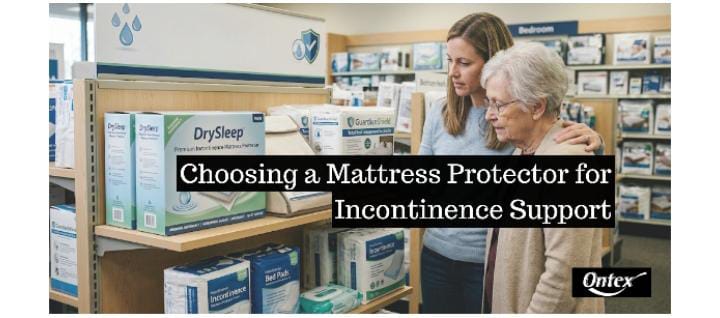
A mattress protector designed for incontinence does more than guard your bedding from leaks. It shields your mattress from permanent stains, trapped odours, and the stress of middle-of-the-night clean-ups that leave you unable to get back to sleep.
If you’ve ever woken up uncomfortable and frustrated, you know how much these accidents disrupt your rest and personal comfort. And we understand how draining it feels when bedding protection fails you night after night.
That’s why Ontex Healthcare in Australia creates waterproof mattress protectors that actually work, and give you the security you need to sleep peacefully.
In this article, we’ll cover what makes a quality mattress cover right for incontinence support, how waterproof options compare to regular covers, and whether protectors guard against dust mites. You’ll also get sizing tips for king single and other beds, and learn when to replace your protector.
Let’s get into it.
What Makes a Mattress Cover Right for Incontinence?
A mattress cover needs a waterproof backing, breathable fabric, and a secure fit to protect against leaks properly. These three features work together to keep your mattress dry, comfortable, and stain-free for many years.
Waterproof Backing That Actually Works
Cheap protectors promise waterproof protection, but soak through within minutes of an accident. After years of working with incontinence products, we’ve found polyurethane backing stops liquids from penetrating your mattress while staying quiet and flexible during sleep.
So what gives this backing its edge? TPU (Thermoplastic Polyurethane) layers create a reliable barrier without the crinkly plastic feel that wakes you up at night. That’s why quality brands focus on this feature.
Breathable Fabric for Comfort
What’s the point of getting a new mattress if you wake up sticky and uncomfortable? Exactly, there’s no point whatsoever. To solve this, you can use a protector that has cotton-blend top layers.
This design lets air circulate through your bedding so you don’t sweat through the night. In practice, moisture-wicking fabrics pull wetness away from your skin to keep you comfortable and fresh while you sleep.
Bottom line: Breathable sleeping materials prevent that clammy feeling you get with cheaper plastic-style mattress protectors.
Secure Fit Across Different Bed Sizes
A properly fitted protector stays in place all night, so you wake up protected instead of tangled in bunched-up bedding. The issue usually comes from the edges. Deep-pocket elastic edges grip mattresses up to 45cm thick without sliding off during movement.
Beyond standard sizes, there’s another option. King single sizing fits snugly on narrower beds common in aged care facilities and guest rooms across Australia. And fitted skirt designs like the ones we use in Kylie stay locked in place even when you toss and turn throughout the night. It helps extend the life of both your protector and mattress.
Waterproof Mattress Protector vs Regular Covers
Waterproof mattress protectors block liquids completely, while regular covers absorb and trap moisture inside your mattress. The differences go far beyond just stopping leaks, and you’ll see exactly why in the table below:
| Feature | Waterproof Mattress Protector | Regular Covers |
| Liquid Protection | ✓ | ✗ |
| Dust Mite Barrier | ✓ | ✗ |
| Stain Prevention | ✓ | ✗ |
| Odour Control | ✓ | ✗ |
| Bacteria Resistance | ✓ | ✗ |
| Quick Cleaning | ✓ | ✗ |
| Extends Mattress Life | ✓ | ✗ |
Regular covers absorb liquids and trap moisture against your mattress, which causes permanent damage and smells. You have to commit to frequent washing after every accident just to keep things clean. Meanwhile, waterproof mattress protectors block fluids completely, and dust mites struggle to penetrate the sealed barrier.
Verdict: The protection quality makes waterproof options more suitable for incontinence bedding across all sizes: king, queen, double, and king single.
So protectors clearly win on liquid defence. But do they offer helpful protection against allergens hiding in your mattress?
Do Mattress Protectors Guard Against Dust Mites?
Waterproof mattress protectors create a sealed barrier that stops dust mites from living in your mattress. The truth is, dust mites thrive in moist environments, but waterproof incontinence backing prevents the damp conditions these allergens need to grow.
Also, allergen-proof mattress covers reduce sneezing and skin irritation from dust mite waste buildup. If you have allergies or asthma symptoms, a quality protector blocks bacteria and mould growth that make breathing problems worse at night.
The sealed barrier filters allergens out while you sleep, which creates a fresh sleeping environment that protects your health beyond just stopping leaks.
Sizing Your Waterproof Mattress: King Single and Beyond
Buying the wrong size means waking up to a bunched-up protector that’s slid halfway off your bed. In our experience with hundreds of Australian customers, getting the right fit is as important as waterproof quality.
Here’s what you need to know:
- King Single: These protectors measure 107cm wide and suit smaller bedrooms or care facility setups perfectly.
- Queen and King: Queen and King sizes accommodate standard Australian bed dimensions with extra depth for pillow-top mattresses. The complete range covers various sizes, so you can find ideal protection for your personal sleeping space.
- Double: If you’re a couple sharing a bed or need coverage on medium-sized frames, double mattress protectors can be your best choice. It gives you reliable protection without the extra width of larger sizes.
Quick tip: Double-check your mattress depth before buying because shallow protectors pop off thicker foam or hybrid beds. Measure your mattress height to make sure the fitted skirt reaches at least 45cm deep for a secure, comfortable fit.
Proper sizing keeps your protector locked in place. But even the best-fitted waterproof mattress won’t last forever without the right care.
How Often Should You Replace Your Mattress Cover?
Replace your mattress cover every 18 to 24 months or sooner if you notice cracks in the waterproof layer. Honestly, even quality protectors like our Kylie won’t last forever without proper care. So, wash your mattress cover weekly in warm water to maintain the waterproof seal and prevent bacteria buildup.
Most protectors can handle tumble dry on low heat, though line dry works better for extending the life of the waterproof backing. However, you should skip the bleach and iron, as both damage the protective layers you’re counting on.
Worth noting: Inspecting for tears or worn elastic monthly catches problems early. Even small holes let liquids seep through overnight, which defeats the whole point of having protection.
Once you spot visible wear, order a replacement before leaks ruin your mattress and bedding. A fresh protector keeps everything clean, dry, and stain-free while your old one still filters dust mites and allergens.
Your Mattress Deserves Better Protection
Your mattress investment deserves waterproof protection that actually works. And quality mattress protectors shield against leaks, spills, stains, dust mites, bacteria, and allergens while staying comfortable enough for restful nights’ sleep.
So don’t wait until another leak ruins your mattress down the track. Visit Ontex Healthcare to explore the full range of waterproof bedding protection available in Australia and find the right fit for your needs today.