There was a time when the Grand Tour meant Florence, Rome, and Venice — art, architecture, opera, and antiquity. Today’s most discerning travelers are redefining what it means to explore Italy in style.
The modern Grand Tour doesn’t rush between monuments. It lingers among vineyards. It trades crowded piazzas for private cellar doors. It replaces packed itineraries with curated immersion.
Italy’s wine regions — from the sculpted hills of Tuscany to the misty slopes of Piedmont — are emerging as the ultimate expression of refined, experience-led travel.
For travelers seeking a thoughtful starting point, this guide to the Best Wineries and Vineyards to Visit in Italy highlights estates that blend heritage, architectural beauty, and world-class winemaking. Yet beyond the list itself lies something deeper: a new way of experiencing Italy — one rooted in time, access, and intentional discovery.
And for the traveler who values depth over display, that shift is everything.
Where Landscape Becomes Design
In Italy, landscape is never separate from design.
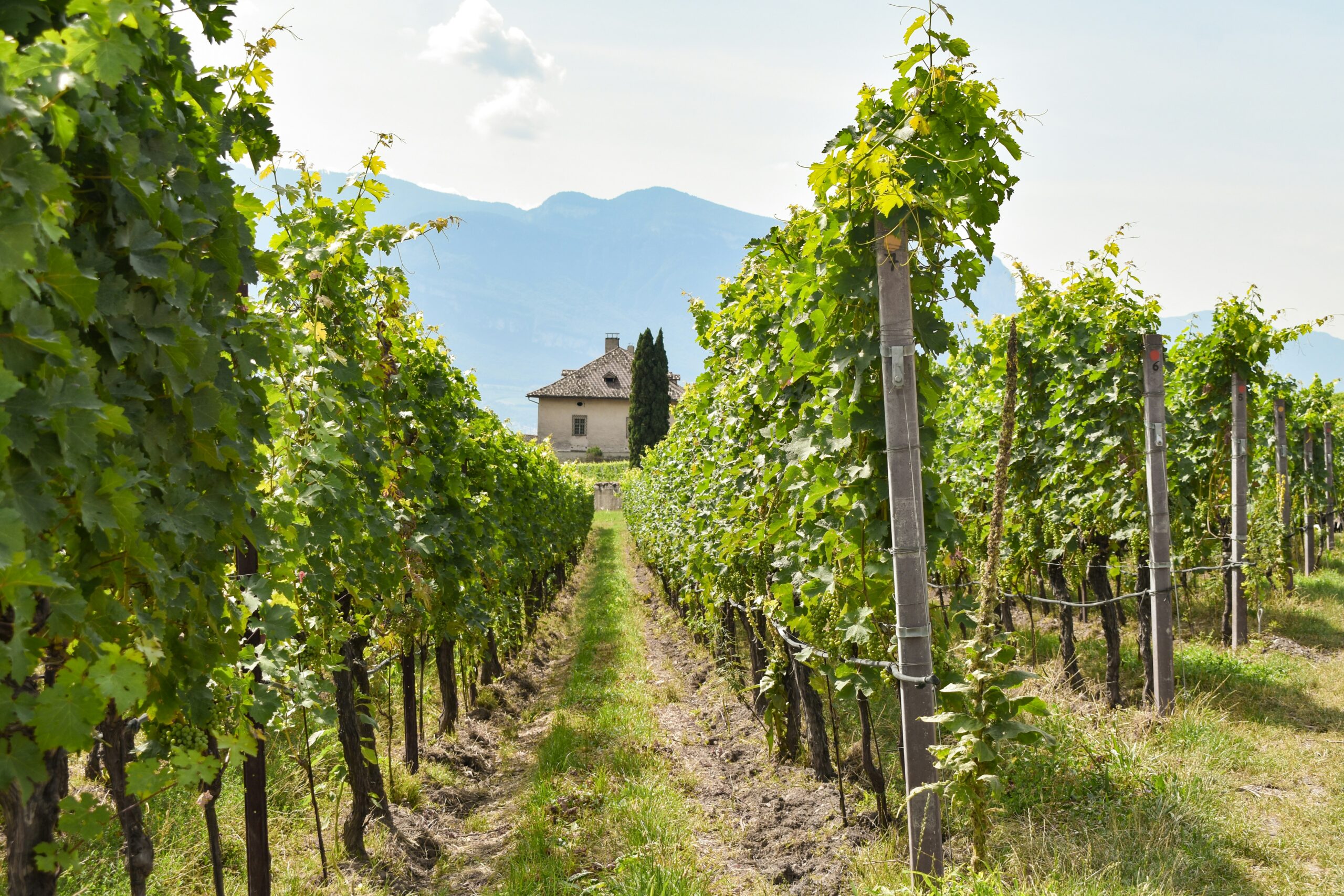
In Tuscany, Renaissance villas rise from geometric rows of Sangiovese vines. In Piedmont, historic estates sit against Alpine backdrops softened by morning fog. In Veneto, contemporary tasting rooms are carved seamlessly into Prosecco hillsides.
Wine estates here function as living works of art — where architecture, agriculture, and atmosphere converge.
Many properties have undergone meticulous restoration, blending centuries-old stone with contemporary minimalism. The result is a curated visual experience: light filtering through barrel rooms, sculptural staircases descending into cellars, terraces positioned precisely to capture golden-hour views over rolling vineyards.
To travel through Italy’s wine country is to step inside its aesthetic philosophy — restrained, timeless, and deeply intentional.
Heritage as the Ultimate Luxury
True luxury in Italy is rarely loud. It is generational.
Many of the country’s most revered wineries remain family-owned, with knowledge passed quietly from one generation to the next. Vineyards planted decades ago continue to shape today’s vintages. Oak barrels age wines slowly, untouched by urgency.
In a world that often prioritizes immediacy, wine regions operate on a different timeline entirely.
There is something profoundly compelling about tasting a Barolo crafted from vines planted by a grandfather, or visiting a Brunello estate that has matured wines in massive oak casks for over half a century.
Prestige here is measured in patience.
The Art of Private Access
For seasoned luxury travelers, exclusivity is not about spectacle — it is about proximity.
Private vineyard walks at golden hour.
Barrel tastings before official release.
Intimate lunches hosted inside historic estates.
Helicopter arrivals to hilltop properties.
Italy’s wine country offers rare access — not simply to wine, but to craftsmanship.
These moments are not staged performances; they are invitations behind the scenes of Italy’s most enduring cultural tradition.
And that access feels deeply personal.
Culinary Pairings as Cultural Expression
Italian wine is inseparable from cuisine.
In Piedmont, delicate tajarin pasta crowned with shaved truffle meets structured Barolo.
In Tuscany, bistecca alla Fiorentina pairs effortlessly with Brunello.
On Mount Etna’s volcanic slopes, mineral-driven wines complement seafood brightened by citrus grown nearby.
Meals unfold slowly, across multiple courses, each pairing curated to enhance flavor and context.
This is not tasting for the sake of consumption — it is tasting as cultural dialogue.
And in Italy, that dialogue is never rushed.
The Allure of Place
Each wine region carries its own atmosphere.
Tuscany’s hills feel almost cinematic in their symmetry.
Piedmont’s Langhe region is contemplative, wrapped in soft morning mist.
The Prosecco Hills shimmer under afternoon light.
Sicily’s Mount Etna brings raw volcanic energy to every bottle produced along its slopes.
These differences allow travelers to curate experiences aligned with their own aesthetic sensibilities — pastoral and romantic, alpine and refined, coastal and dramatic.
Italy offers not one wine journey, but many.
The Return of the Slow Itinerary
Modern luxury increasingly prioritizes space — space to breathe, to absorb, to linger.
Italy’s wine regions lend themselves naturally to this rhythm.
Rather than relocating daily, travelers settle into one region. A restored villa becomes home for several nights. Mornings begin with espresso overlooking the vines. Afternoons are reserved for tastings or cultural exploration. Evenings stretch long into the night over multi-course dinners.
There is no urgency.
The pleasure lies in immersion.
Architectural Estates Worth the Journey
Some Italian wineries have become architectural destinations in their own right.
In Tuscany, avant-garde wineries sculpted into hillsides resemble modern art installations. In northern Italy, sleek glass tasting rooms frame vineyard views like living canvases.
Elsewhere, medieval stone towers and subterranean cellars preserve centuries of history.
The interplay between old and new is distinctly Italian — reverence balanced with innovation.
It is this equilibrium that defines the country’s enduring appeal.
For the Discerning Collector
For serious wine collectors, visiting Italian estates adds dimension to every bottle back home.
Understanding soil composition.
Meeting winemakers personally.
Walking the exact vineyards from which a vintage emerged.
The experience transforms wine from acquisition into narrative.
Collectors often speak of a deeper emotional connection to wines sourced at origin — not simply because of rarity, but because of memory.
Wine becomes story.
And that story travels with you.
Beyond the Expected
While Tuscany remains iconic, seasoned travelers are expanding their explorations.
Piedmont offers depth and elegance through Barolo and Barbaresco.
Veneto balances refinement with scenic beauty.
Sicily’s Etna wines deliver volcanic character and modern innovation.
Alto Adige presents alpine precision and exceptional whites.
Each region reveals a different facet of Italy — allowing travelers to shape their journey around taste, season, and atmosphere.
The modern Grand Tour is no longer fixed.
It is curated.
Italy, Reimagined
Italy has long symbolized beauty and culture. Yet its wine regions reveal a quieter sophistication — one rooted in land, lineage, and lived experience.
They offer intimacy without ostentation.
Access without spectacle.
Depth without excess.
For those redefining luxury travel in 2026 and beyond, Italy’s vineyards offer something increasingly rare: meaningful immersion.
Not a checklist of landmarks.
But a series of curated moments — a glass raised at sunset, overlooking the very soil that made it possible.
And sometimes, that is the most refined way to experience Italy of all.