A Question Wrapped in History
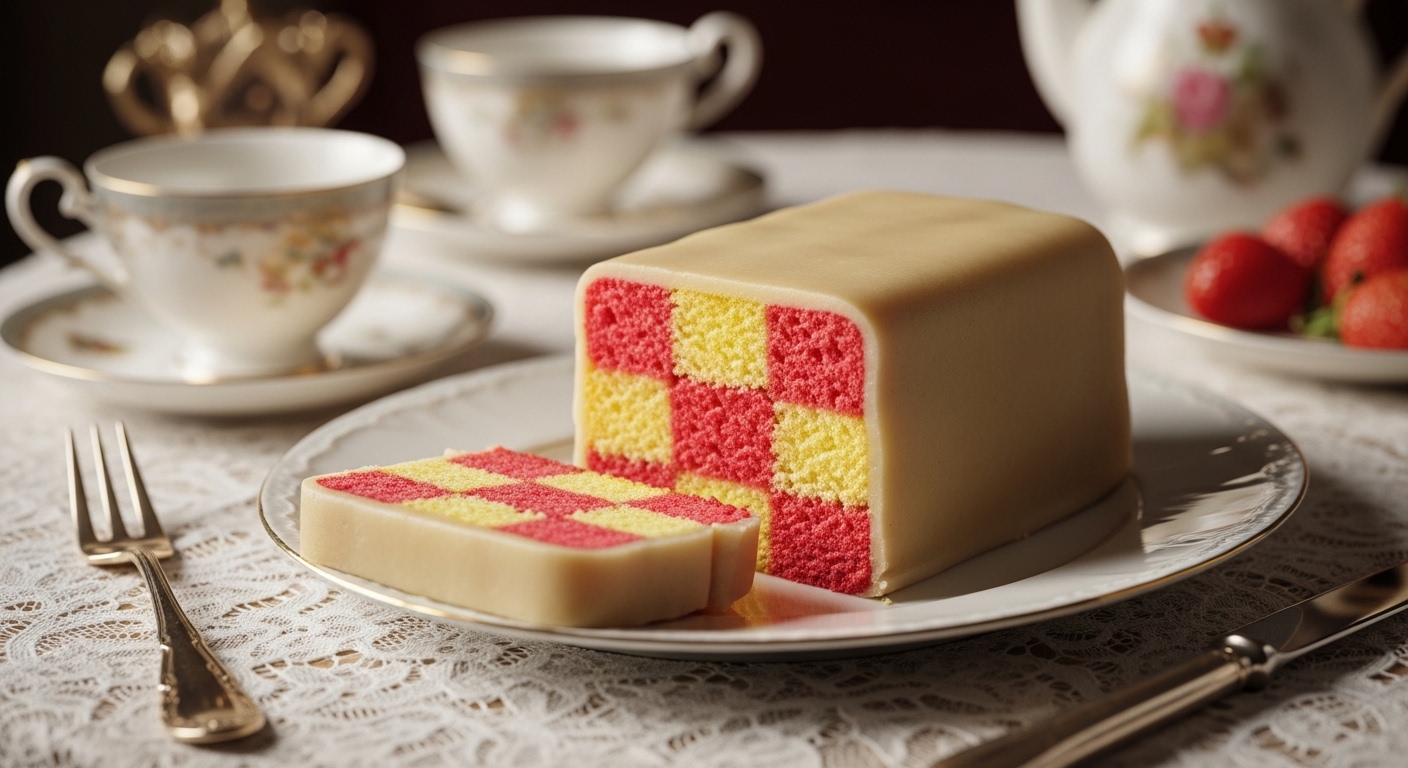
Naturally, when people first encounter the iconic pink and yellow checkered dessert, a common question arises: is the Battenberg cake really British, or is the story more complicated than it seems? This curiosity is understandable, as cakes feel deeply connected to tradition, ceremony and old-fashioned grandeur. Its clean geometry and marzipan coating seem to whisper stories of royal kitchens and afternoon tea tables.
To properly answer this question, we need to go beyond a simple yes or no. The origins of the Battenberg cake are closely linked to royal weddings, European influence and the development of British baking traditions. By uncovering the background, symbolism and cultural journey of the Battenberg cake, we can better understand how this iconic dessert earned its place in the British culinary identity.
The Royal Origin Story
The history of the Battenberg cake begins at the end of the 19th century, during a period when royal events often inspired new foods. Most historians agree that the cake was created to celebrate the wedding of Queen Victoria’s granddaughter Princess Victoria to Prince Louis of Battenberg in 1884. This royal connection immediately elevated the dessert from a simple sponge cake to a symbol of aristocratic celebration.
At the time, naming food after royal houses was a popular way to honor alliances and important events. The name Battenberg itself comes from a German princely family, which already indicates an international influence. Despite this, the cake was baked, refined and popularized in Britain, especially among families who wanted to emulate royal tastes.
A British Cake with European DNA
Although the Battenberg cake is considered British today, its roots reflect a mixture of cultures rather than a single national identity. The Battenberg family was of German origin, and many of the baking techniques used in the cake were influenced by Central European pastry traditions. Summer cakes, layered construction and almond-based coatings were already popular throughout Europe.
What made the cake uniquely British was how it was adopted and standardized. British bakers adapted the recipe to local tastes using a light sponge, subtle flavors and a strong visual identity. Over time, the cake became less associated with the German name and more with British tea culture and home baking.
The Symbolism Behind the Checkerboard
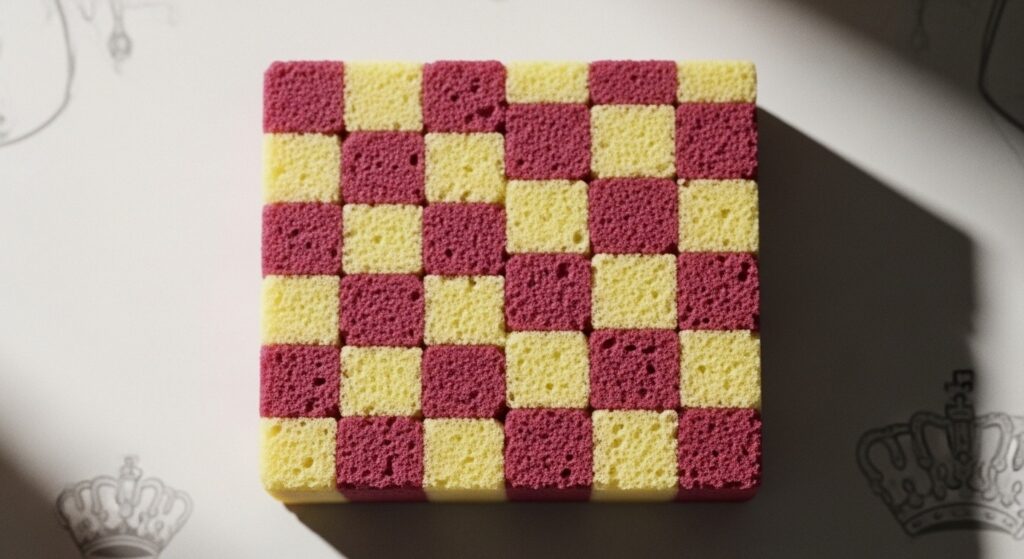
One of the most striking features of the Battenberg cake is the checkerboard interior, which is both decorative and symbolic. Traditionally, the four squares are said to represent the four princes of the House of Battenberg. Whether this symbolism was intended from the beginning or added later, it has become part of the cake’s mythology.
Beyond symbolism, pattern also reflects an attraction to order, precision and visual harmony. This corresponds closely to the aesthetics of the Victorian era, where structure and symmetry were highly valued. The design makes the cake much more than a dessert; It becomes a visual detail that immediately distinguishes it from other baked goods.
Marzipan and the Taste of Luxury
A defining element of the Battenberg cake is the outer layer of marzipan, which wraps the sponge in a smooth, almond-scented shell. During the Victorian era, marzipan was considered a luxury material, often associated with wealth and celebration. Its use reinforced the cake’s royal image and status for special occasions.
This marzipan wrapper also served a practical purpose. This helped protect the cake and gave a contrasting texture to the soft sponge inside. Over time, this feature became non-negotiable, cementing the identity of the dessert as a marzipan-wrapped cake rather than a simple sponge.
From Palace to Popular Houses
Although the cake may have originated as a royal tribute, its survival depended on public acceptance. By the early 20th century, the Battenberg cake had moved from the elite class into ordinary British homes. Cookbooks and baking guides began to include simplified recipes, making them accessible to amateur bakers.
This change was crucial in establishing the cake as a national favorite. It became a familiar sight at family gatherings, bake sales and afternoon teas. The shift from typical party food to everyday food helped secure its place in the British culinary tradition.
Why Britain Claimed the Cake
The British identity of the Battenberg cake was strengthened during the First World War, when anti-German sentiment led to changes in royal naming conventions. The Battenberg family famously changed their name to Mountbatten, but the cake retained its original title. Despite this, it was already deeply woven into British culture.
At this point, the cake was no longer considered exotic. It has been prepared, sold and enjoyed throughout the UK for decades. Its association with teatime, a cornerstone of British social life, established it as a British royal dessert rather than an imported novelty.
Modern Interpretations and Variations
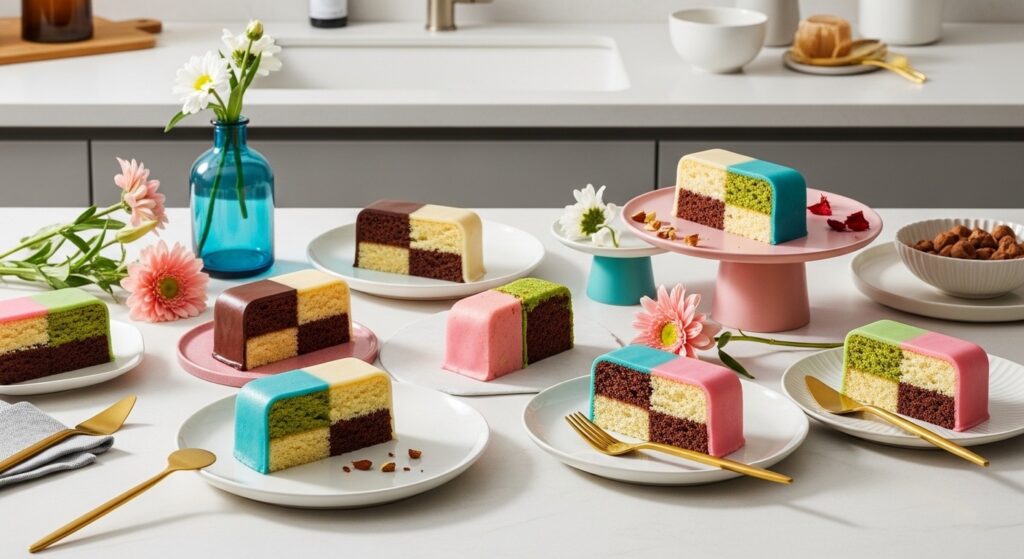
In modern baking, the Battenberg cake continues to evolve. Bakers are experimenting with new colors, flavors and patterns while maintaining the classic structure. Chocolate, matcha and even flavored versions have appeared, proving the adaptability of the design.
Despite these innovations, the traditional version is still the most recognizable. Pink and yellow sponge with almond marzipan still dominates the bakery shelves. This balance between tradition and creativity keeps the cake relevant in the modern food landscape.
How It Compare to Other British Cakes
To better understand its place in British baking, it helps to compare the Battenberg cake with other classic desserts. Unlike fruitcake or Victoria sponge, it relies heavily on visual appeal and construction. Its identity is also linked to how it looks and tastes.
Below is a simple comparison highlighting what makes it stand out:
| Cake Name | Key Feature | Cultural Association |
| Battenberg | Checkerboard sponge | Royal celebrations |
| Victoria Sponge | Cream and jam layers | Afternoon tea |
| Fruitcake | Dense, spiced texture | Weddings and holidays |
| Madeira Cake | Firm crumb | Tea accompaniment |
This comparison shows how the cake occupies a unique niche within British baking traditions.
A Visual Icon in British Food Culture
Over time, the Battenberg cake has become instantly recognizable, even to those who have never tasted it. Its geometric interior makes it highly photogenic, which has helped it thrive in cookbooks, TV shows and social media. Some cakes are easily recognizable at a glance.
This visual power has made it possible to transmit it through generations. While many traditional desserts fade from popularity, this one remains relevant by appealing to both nostalgia and modern aesthetics, especially in the form of a checkerboard cake that feels timeless.
So, Is It Truly British?
After exploring its origins, influences and cultural journey, the answer becomes clear. The Battenberg cake may have been inspired by a royal wedding of European origin, but its identity was shaped, refined and preserved in Britain. The techniques, traditions and emotional connections surrounding it are distinctly British.
Rather than seeing it as wholly foreign or wholly native, it makes more sense to view the cake as a product of British history. Like the nation’s monarchy, it mixes international influence with local tradition, resulting in something unique.